English

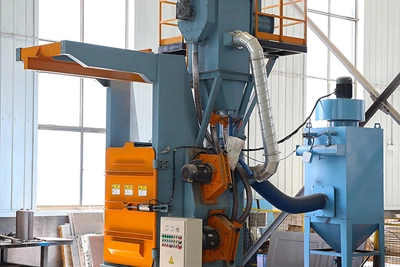
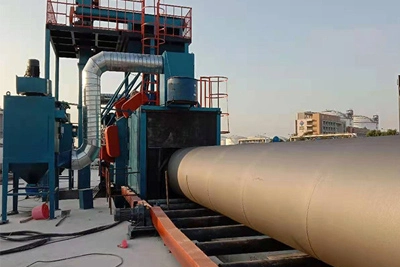
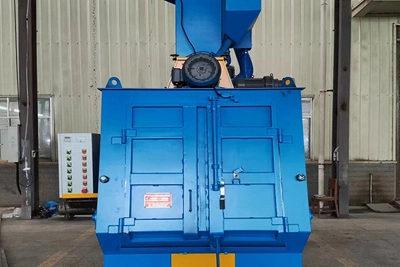
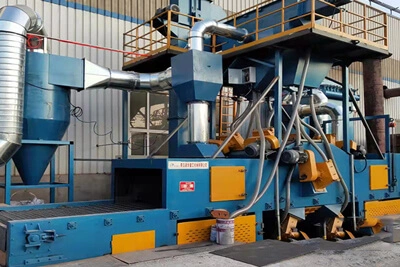
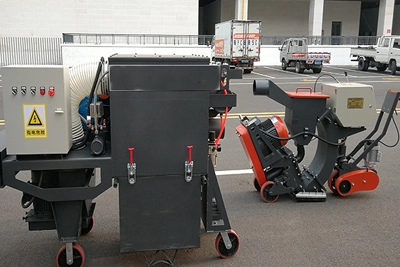

A Tumble Belt Shot Blasting Machine is better for fragile, precision, or mixed small parts that require gentle, uniform surface treatment, while a Drum Type Shot Blasting Machine is more suitable for robust, heavy-duty parts that can withstand stronger tumbling action. The real difference lies in part protection, blasting uniformity, and production flexibility.
Below is a practical, industry-level comparison to help you choose the right solution based on actual production conditions, not just catalog descriptions.
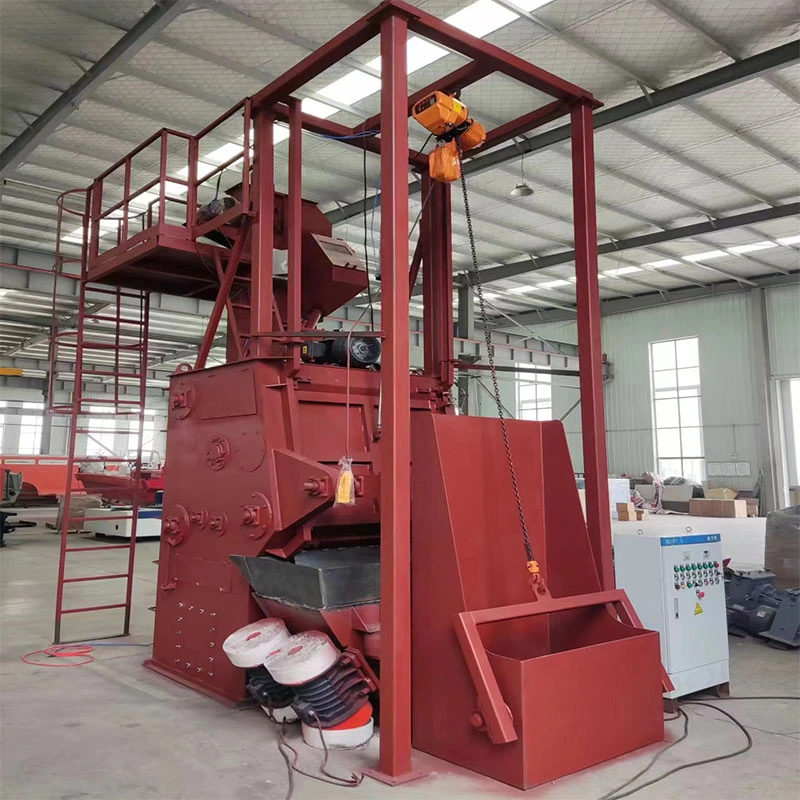
A China Tumble Belt Shot Blasting Machine uses a rubber or steel belt to continuously tumble parts inside the blasting chamber. The belt movement ensures:
Smooth rolling action
Controlled part-to-part contact
Uniform exposure to blasting media
This design is ideal for:
Aluminum castings
Small steel components
Precision machined parts
A drum type machine rotates a steel drum or barrel, causing parts to tumble more aggressively as the drum turns. The action is:
Stronger
Less controlled
More impact-heavy
Drum machines are typically used for:
Forgings
Heat-treated parts
Heavy, thick-walled components
The Tumble Belt Shot Blasting Machine delivers more consistent and uniform surface finishing, especially for complex or thin-walled parts.
Why?
Continuous, even tumbling
Reduced part stacking
Stable blasting angles
Drum type machines may create:
Shadow zones
Uneven cleaning
Part-to-part collision marks
Tumble Belt Shot Blasting Machines are significantly safer.
Key advantages:
Elastic belt absorbs impact
Lower drop height
Controlled rolling motion
Drum machines can cause:
Edge chipping
Surface dents
Dimensional damage on thin parts
Industry reality:
Many manufacturers switch from drum to tumble belt machines after experiencing high scrap rates.
Tumble Belt Shot Blasting Machine.
Reasons:
Can process different shapes in one batch
Better separation during tumbling
Adjustable belt speed for different parts
Drum type machines perform best when:
Parts are uniform
Batches are consistent
Damage risk is acceptable
Key difference:
Tumble belt systems typically have lower abrasive loss.
Rubber belts reduce shot rebound
Controlled part movement improves shot reuse
Drum machines generate:
Higher rebound force
Faster abrasive breakdown
Increased dust generation
This impacts:
Operating cost
Dust collector load
Maintenance frequency
Tumble Belt Shot Blasting Machine
Belt is a wear part but easy to replace
Less structural wear
Drum Type Machine
Drum liners and structure take heavy impact
Higher long-term maintenance cost
Expert tip:
Always evaluate belt material quality and replacement cycle before purchase.
Tumble belt machines are easier to integrate with:
Automatic loading systems
Conveyors
Sorting and separation equipment
Drum machines are usually:
Batch-operated
Less automation-friendly
For modern production lines, this is a major decision factor.
| Application | Better Choice |
Small precision castings | Tumble Belt |
Thin aluminum parts | Tumble Belt |
Heavy forgings | Drum Type |
Mixed small components | Tumble Belt |
Low-cost rough cleaning | Drum Type |
Short answer:
For precision manufacturing, the Tumble Belt Shot Blasting Machine offers better long-term value despite a higher initial cost.
Why?
Lower scrap rate
Better surface consistency
Reduced rework
Lower abrasive and maintenance cost
Drum machines remain attractive for:
Simple parts
Low-quality surface requirements
Budget-limited projects
From an industry and sales perspective:
Choose a Tumble Belt Shot Blasting Machine if:
Parts are small, thin, or fragile
Surface quality consistency matters
You run mixed or frequent batch changes
You want lower scrap and rework rates
Choose a drum type machine only if:
Parts are heavy and impact-resistant
Surface requirements are basic
Budget is the primary concern