English

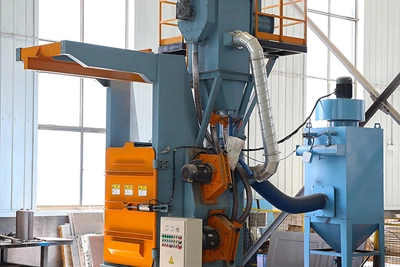
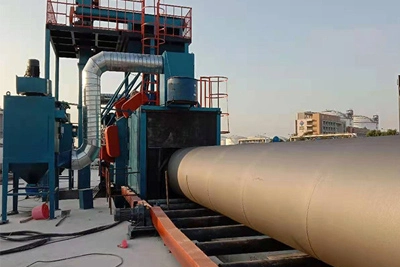
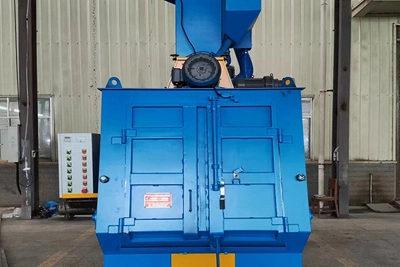
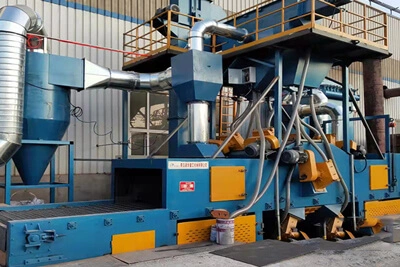
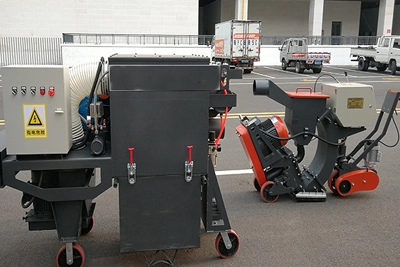

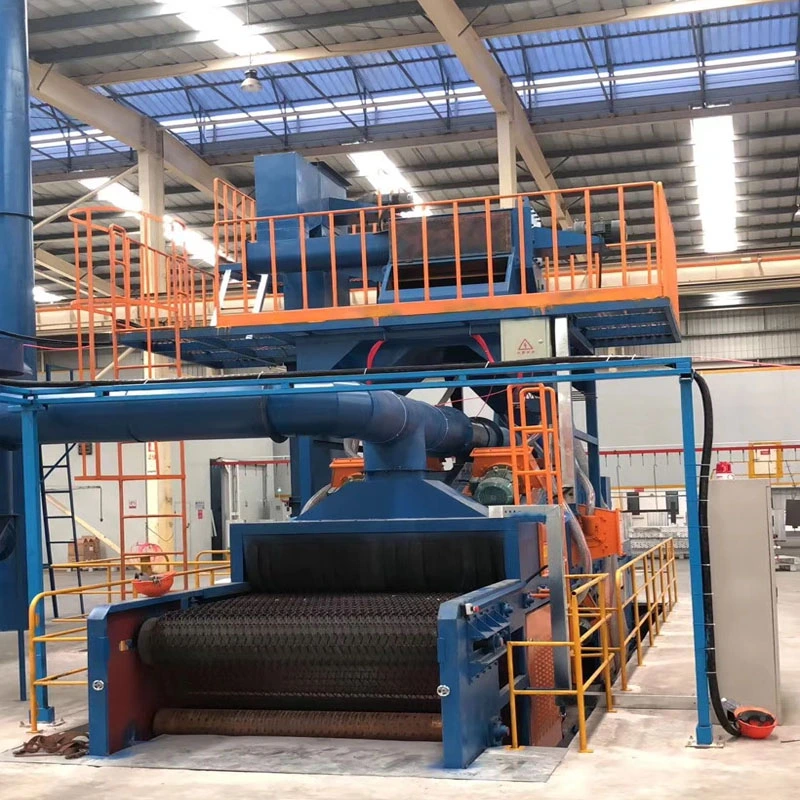
In a Wire Mesh Belt Shot Blasting Machine, the mesh belt is a core factor in achieving fast, clean, and efficient shot recycling. By allowing abrasive to pass directly through the belt surface, the system minimizes shot accumulation, reduces carry-over loss, and feeds the recovery circuit more consistently. The result is higher abrasive reuse rates, lower dust generation, and more stable blasting performance compared with solid-belt or roller-based designs.
The sections below explain how mesh belt design choices translate into measurable recycling gains on the shop floor.
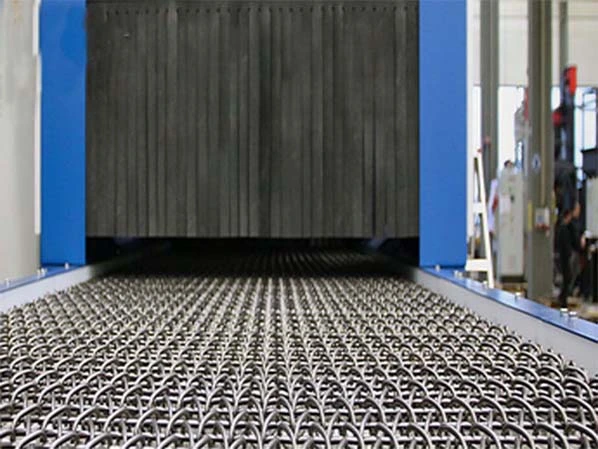
Shot recycling efficiency affects:
Abrasive consumption cost
Cleaning consistency over long runs
Dust collector loading
Wear on blast wheels and liners
In continuous machines, even small losses or delays in recovery compound quickly. Mesh belt designs address these issues at the source.
In a Wire Mesh Belt Shot Blasting Machine, spent shot and debris:
Fall straight through the belt openings
Drop into the recovery hopper below
Enter screw or pneumatic conveyors without detours
This direct gravity path eliminates the need for additional deflectors or scrapers, keeping recovery flow smooth and uninterrupted.
Yes. Mesh opening size must be matched to:
Abrasive size range
Part geometry
Desired separation efficiency
Optimized mesh design allows:
Abrasive to pass freely
Large debris and parts to remain on the belt
Minimal shot retention on the surface
Oversized openings risk part instability; undersized openings trap abrasive and slow recovery.
One of the biggest sources of abrasive loss is carry-over, where shot exits the blasting zone with parts.
Mesh belts reduce carry-over by:
Preventing shot from riding on the belt surface
Allowing continuous drop-off under vibration and movement
Minimizing abrasive leaving the chamber with finished parts
This directly improves shot reuse rate and reduces cleanup.
Air wash separators perform best with:
Constant abrasive flow
Predictable particle mix
Mesh belts provide a uniform, continuous feed of abrasive into the recovery system, improving:
Separation accuracy
Removal of fines and broken shot
Consistent abrasive quality returned to blast wheels
Shot that lingers on belts or conveyors breaks down faster, generating dust.
Mesh belt advantages include:
Faster removal of used shot
Reduced secondary impact
Lower abrasive fragmentation
This lowers dust load on collectors and extends filter life.
Yes. Proper belt speed:
Ensures shot drops through before parts exit the chamber
Prevents buildup at belt edges
Maintains stable recovery flow
In a Wire Mesh Belt Shot Blasting Machine, belt speed is often coordinated with blast wheel output to balance cleaning and recycling.
Compared with solid belts:
Mesh belts allow immediate abrasive drop-through
Solid belts require additional transfer mechanisms
Mesh belts reduce mechanical complexity in recovery zones
This is why mesh belt machines are widely used in high-duty, continuous blasting applications.
From field experience, typical issues include:
Incorrect mesh size for abrasive selection
Poor belt tension causing uneven drop-through
Inadequate recovery capacity under the belt
Neglecting belt wear monitoring
These problems undermine the inherent advantages of mesh belt systems.
When assessing a Wire Mesh Belt Shot Blasting Machine, ask:
What abrasive sizes is the belt designed for?
How is shot prevented from exiting with parts?
What recovery rate is achievable in continuous operation?
How is belt wear monitored and managed?
Clear answers indicate real engineering capability.
Mesh belt design is not just a transport solution—it is a primary driver of shot recycling efficiency. In a well-engineered Wire Mesh Belt Shot Blasting Machine, optimized mesh geometry, belt speed, and recovery layout work together to reduce abrasive loss, stabilize blasting quality, and lower operating costs.
For manufacturers running continuous blasting operations, mesh belt efficiency directly translates into measurable savings and more predictable production.