English

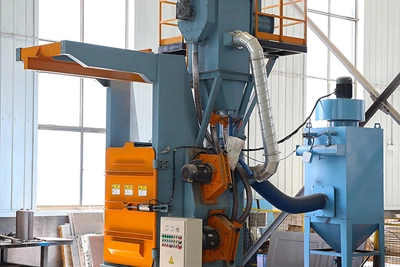
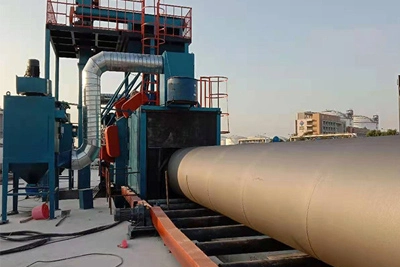
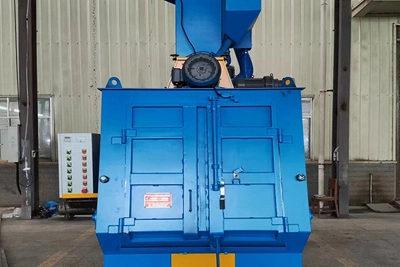
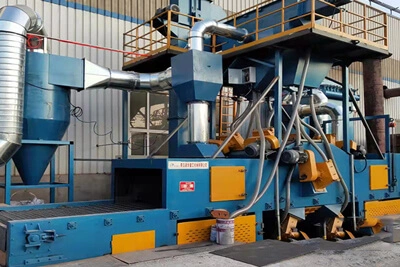
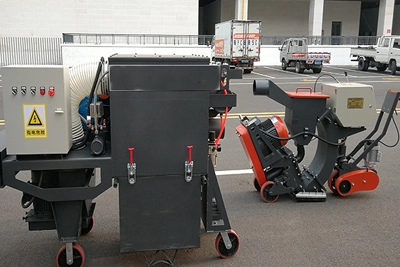

Choosing between a Tumble Belt Shot Blasting Machine and a mesh belt shot blasting machine depends on part geometry, fragility, throughput requirements, and surface quality expectations. Tumble belt machines excel at gently cleaning small, irregular, or fragile parts, while mesh belt machines are better suited for continuous processing of flat or regularly shaped components. Understanding how parts move inside each machine is the key to selecting the right solution.
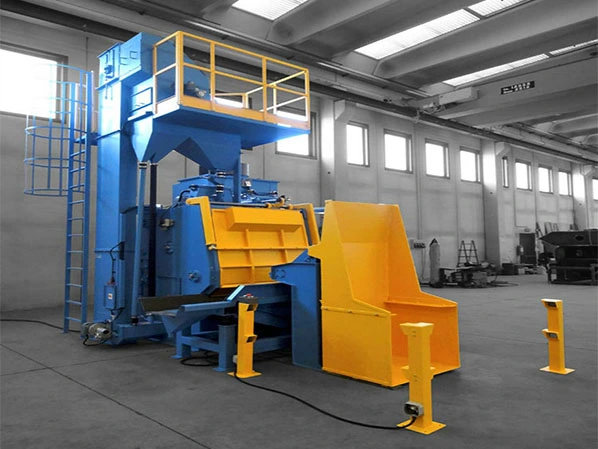
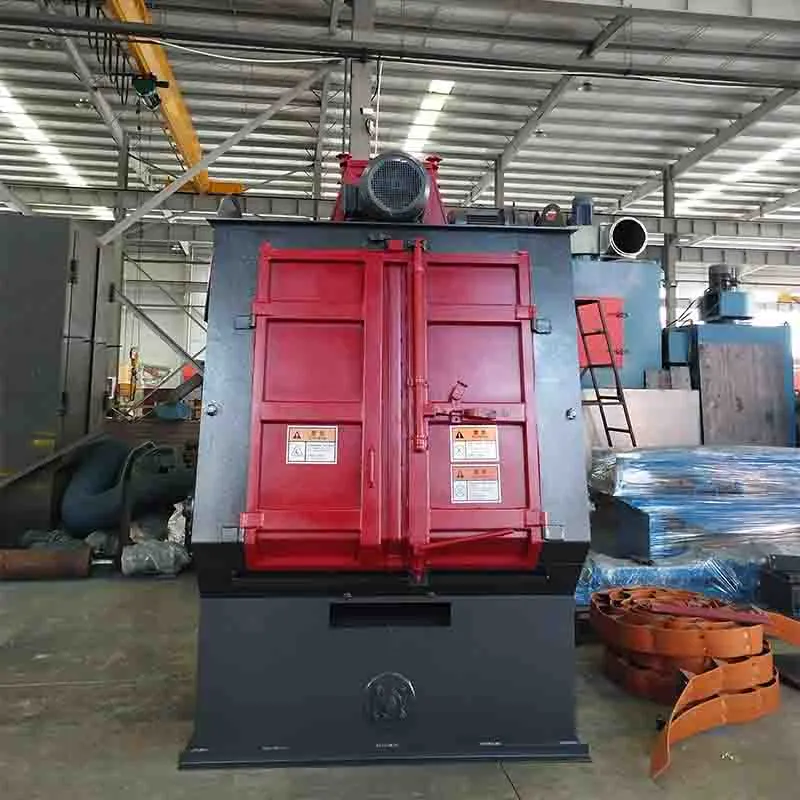
A Tumble Belt Shot Blasting Machine uses a continuous rubber or steel belt that lifts and rolls parts inside the blasting chamber. Parts are constantly repositioned, ensuring all surfaces are exposed to abrasive flow.
This design is commonly used for:
Small castings and forgings
Thin or fragile components
Mixed or irregular part batches
The tumbling action minimizes impact damage while maintaining uniform cleaning.
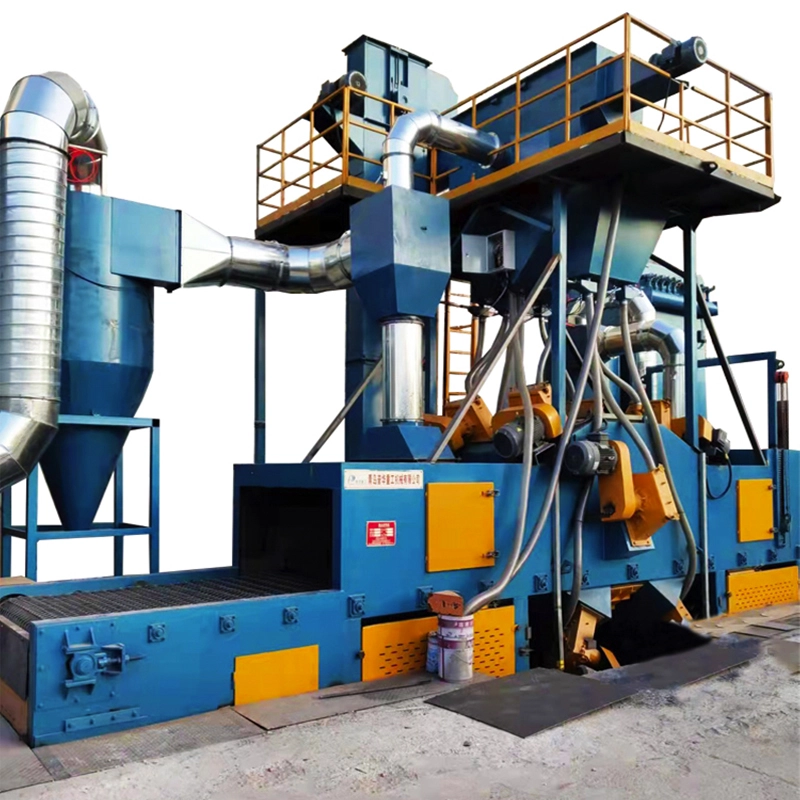
Mesh belt machines transport parts linearly through the blasting chamber on a steel wire mesh belt. Parts remain supported throughout the process rather than tumbling.
Typical applications include:
Flat parts and stampings
Heat-treated components
Small welded assemblies
High-volume continuous production
The mesh belt allows abrasive to fall through directly into the recovery system, improving shot recycling efficiency.
Tumble belt machines generally perform better with fragile parts because:
Rubber belts absorb impact
Tumbling is controlled rather than free-fall
Part-to-part collision energy is lower
Mesh belt machines can handle thin parts if configured correctly, but tumble belt systems offer a wider safety margin for delicate components.
Mesh belt shot blasting machines are preferred for:
High-throughput lines
Stable part dimensions
Integration with upstream and downstream processes
Tumble belt machines operate in batch or semi-continuous modes, making them better suited for variable production rather than constant flow.
Tumble belt machines achieve uniform coverage through constant part movement, reducing shadow zones.
Mesh belt machines rely on:
Blast wheel layout
Part orientation on the belt
For parts with complex geometries, tumble belt machines provide more reliable all-around cleaning.
Mesh belt machines typically offer:
Faster abrasive drop-through
Lower carry-over loss
More stable recycling
Tumble belt machines:
Retain abrasive longer in the chamber
May generate more dust due to repeated impacts
The difference becomes more noticeable in long, continuous production runs.
Tumble belt machines:
Belt is a major wear component
Easier chamber maintenance
Lower conveyor complexity
Mesh belt machines:
Wire mesh belt has longer life
Recovery system works harder
Requires careful belt tension control
Maintenance planning should reflect operating hours and abrasive type.
Tumble belt machines handle mixed batches more effectively because parts naturally separate during tumbling.
Mesh belt machines require:
Similar part sizes
Controlled loading density
Mixing sizes on a mesh belt increases collision and shadowing risks.
| Application | Better Choice |
Small irregular castings | Tumble Belt |
Thin fragile parts | Tumble Belt |
Flat stampings | Mesh Belt |
Continuous high-volume lines | Mesh Belt |
Mixed batch production | Tumble Belt |
Selection should be based on:
Part fragility and geometry
Required throughput
Production continuity
Abrasive recycling priorities
A Tumble Belt Shot Blasting Machine is often the safer choice when part integrity is critical, while mesh belt machines shine in efficiency-focused production lines.
Tumble belt and mesh belt shot blasting machines solve different production problems. Tumble belt systems prioritize part protection and cleaning uniformity, while mesh belt machines emphasize throughput and recycling efficiency. The best choice aligns machine behavior with how your parts actually move and interact during blasting.