English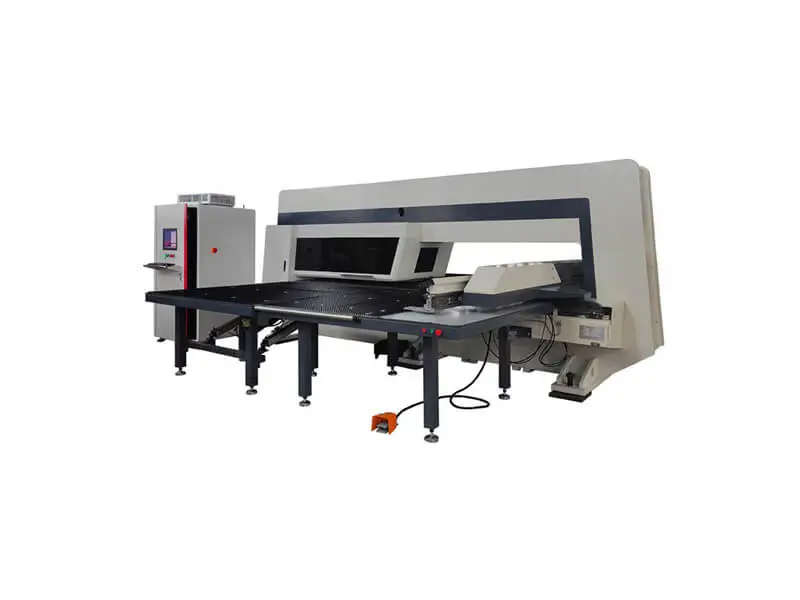


In modern sheet metal fabrication, servo-driven CNC turret punching machines are preferred for energy efficiency, precision, and high-speed punching, while hydraulic CNC turret punching machines remain suitable for heavy-duty punching with thick materials and high forming force requirements. The real difference is not only the drive system, but how each technology impacts production cost, accuracy, maintenance, and long-term flexibility.
Below is a practical comparison from an equipment selection and production efficiency perspective.
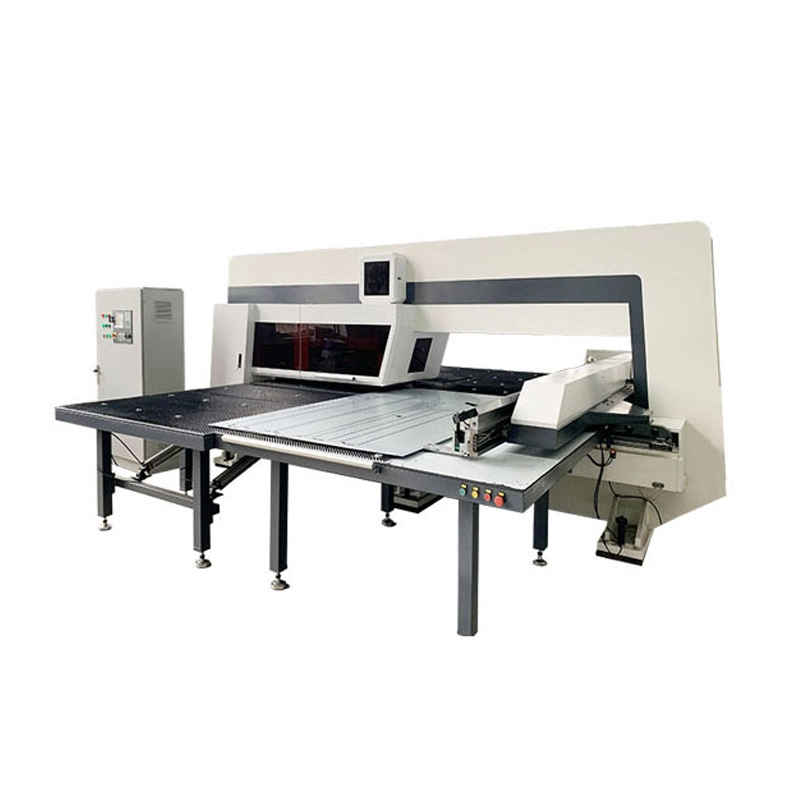
A CNC Turret Punching Machine for sale uses a rotating turret loaded with multiple punch-and-die stations to perform rapid punching, forming, and marking on sheet metal. The drive system—servo or hydraulic—controls how punching force is generated and applied.
This choice directly affects:
Punching speed
Noise level
Energy consumption
Maintenance frequency
Suitability for different materials and thicknesses
A servo-driven system uses servo motors and ball screws to generate punching force only when needed. Motion and force are digitally controlled with high precision.
A hydraulic system relies on hydraulic pumps, valves, and cylinders to provide continuous pressure for punching operations. Force output is stable and strong, especially for thick sheets.
Servo-driven CNC turret punching machines are significantly more energy efficient.
Reasons include:
Power is consumed only during punching
No continuous pump operation
Lower heat generation
Hydraulic machines typically run hydraulic pumps continuously, even during idle time, resulting in higher electricity consumption and heat buildup.
For factories with long operating hours, energy savings from servo systems become substantial over time.
Servo CNC turret punching machines deliver:
Higher positioning accuracy
Better repeatability
More stable stroke control
This makes them ideal for:
High-precision sheet metal parts
Complex hole patterns
Tight tolerance requirements
Hydraulic machines offer strong punching force but may show slight variations in stroke control due to oil temperature and pressure fluctuations.
Servo systems operate much more quietly because:
No hydraulic pump noise
Reduced vibration
Smoother motion control
Hydraulic CNC turret punching machines generate:
Pump noise
Valve switching noise
Higher vibration levels
In modern workshops focusing on operator comfort and noise control, servo-driven machines are increasingly favored.
Hydraulic CNC turret punching machines still have an advantage in:
Thick sheet metal
Heavy forming operations
Deep drawing or embossing processes
Hydraulic systems provide continuous and high forming force, which is sometimes necessary for demanding applications.
Servo machines can handle many forming tasks but may require higher-spec configurations for heavy-duty work.
Servo-driven machines:
Fewer mechanical components
No hydraulic oil
Lower risk of leaks
Cleaner operating environment
Hydraulic machines require:
Regular oil replacement
Seal and valve maintenance
Temperature management
Leak prevention
From a lifecycle cost perspective, servo CNC turret punching machines usually offer lower maintenance costs.
Servo systems integrate more easily with:
Automatic loading and unloading
Smart factory systems
Energy monitoring platforms
High-speed production lines
Hydraulic systems are reliable but less flexible for advanced automation and energy optimization.
| Application | Better Choice |
High-speed sheet metal production | Servo |
Thin to medium sheet punching | Servo |
Noise-sensitive workshops | Servo |
Thick plate punching | Hydraulic |
Heavy forming operations | Hydraulic |
Budget-limited projects | Hydraulic |
Key factors to evaluate:
Material thickness range
Production volume
Energy cost sensitivity
Noise requirements
Automation plans
Maintenance capability
Selecting the right CNC Turret Punching Machine should align with both current production needs and future expansion plans.
Servo-driven CNC turret punching machines represent the direction of high-efficiency, low-energy, and intelligent manufacturing, while hydraulic CNC turret punching machines remain practical for high-force, heavy-duty applications.
From an investment and operational standpoint, the optimal choice depends on balancing precision, energy efficiency, forming requirements, and total cost of ownership—not just machine price.