English

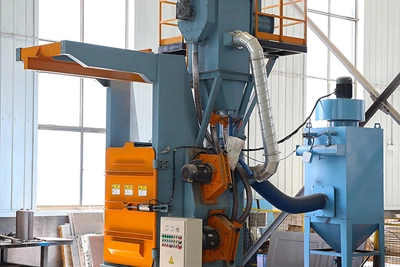
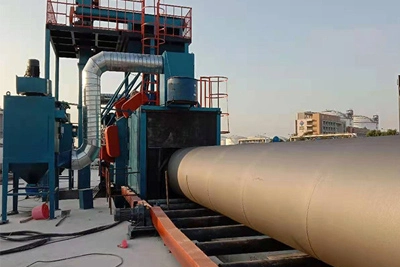
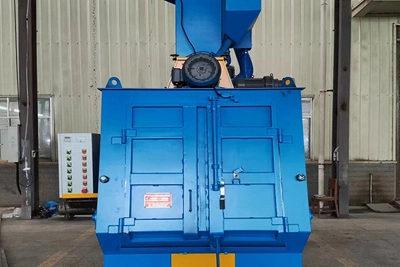
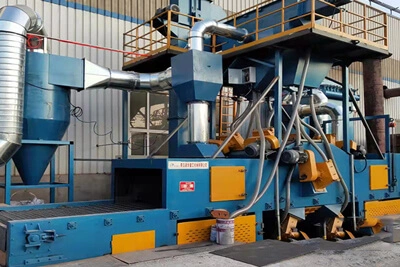
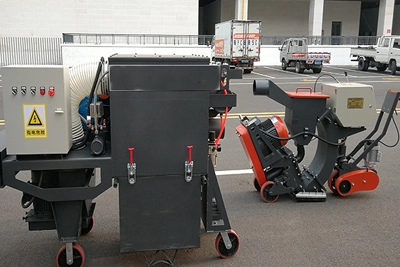

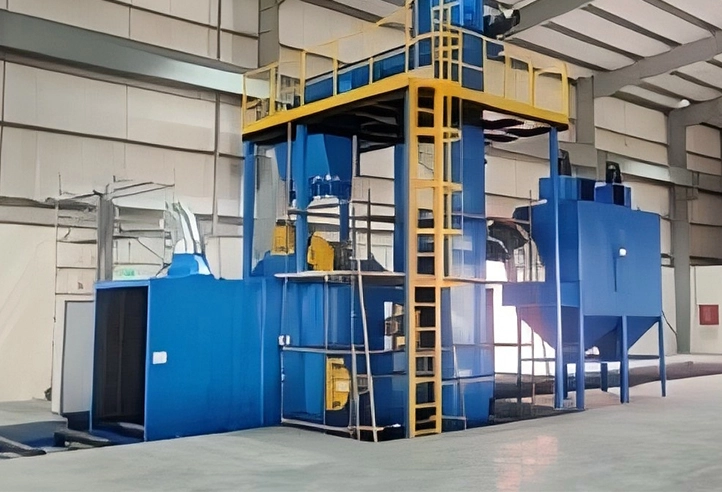
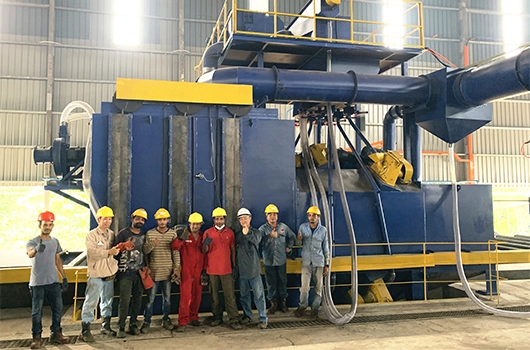
Shot blasting equipment can be primarily categorized into the following types based on different processing requirements and operating principles:
Drum-Type Shot Blasting Machines
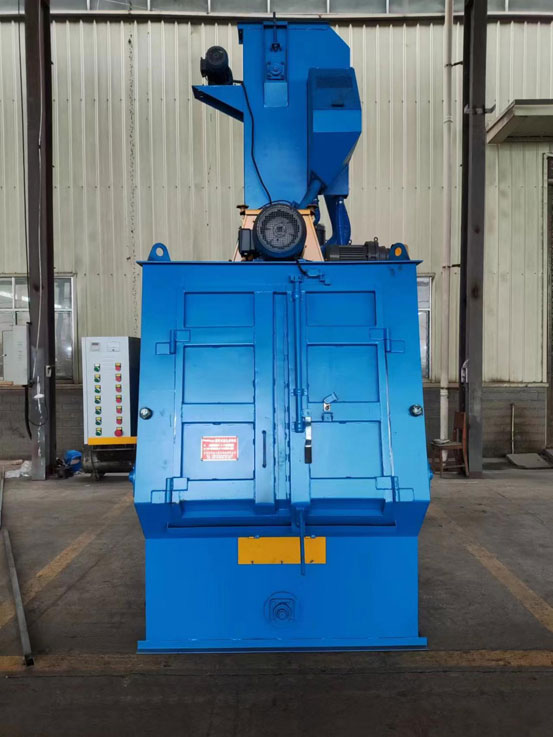
Use a rotating drum to tumble the workpiece, making them suitable for batch processing of small castings. While their structure is simple, they can also cause workpieces to collide with each other.
Mesh Belt Conveyor Shot Blasting Machines
Use rubber tracks to convey workpieces, making them suitable for continuous processing of small and medium-sized parts. Their advantage is a high degree of automation, but their disadvantage is that the tracks are susceptible to wear.
Hook-Type Shot Blasting Machines
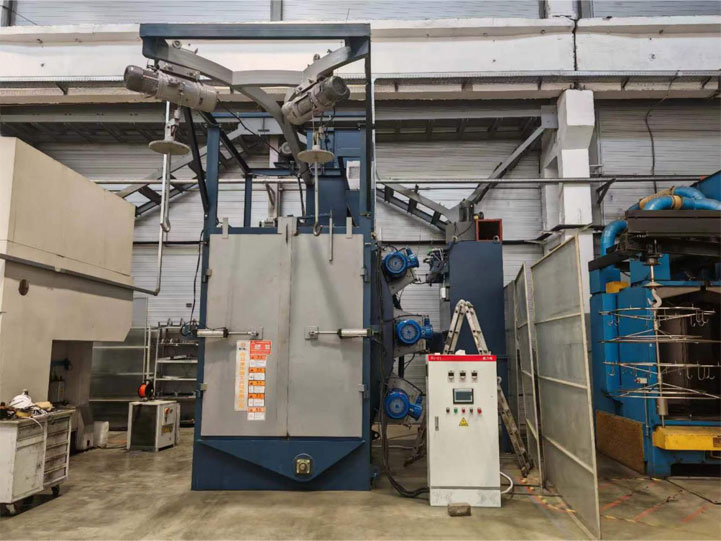
Workpieces are suspended from hooks and moved, making them designed for large workpieces. They can handle heavy parts, but require auxiliary equipment for loading and unloading.
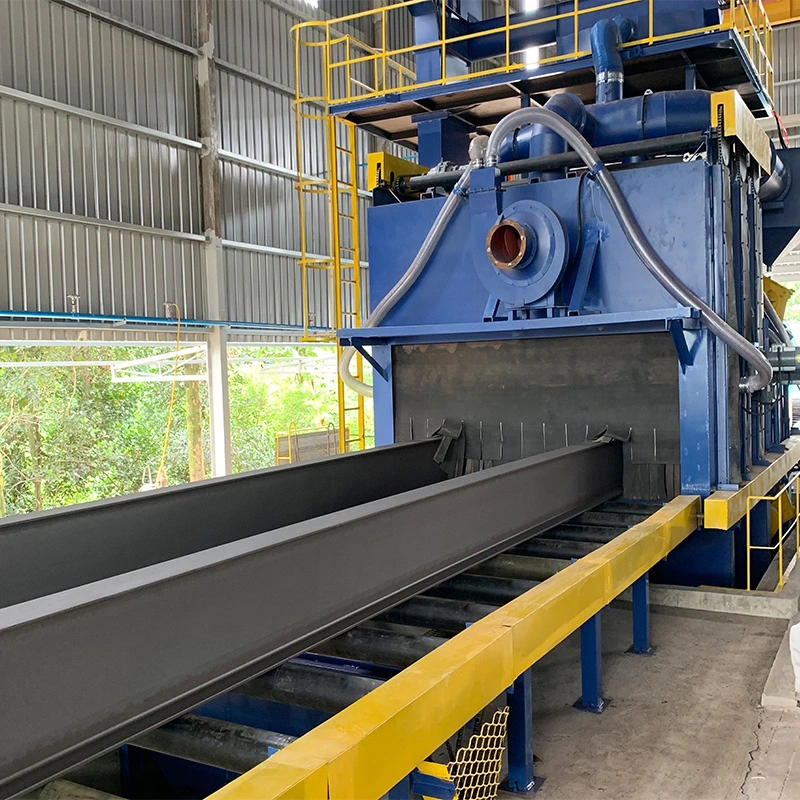
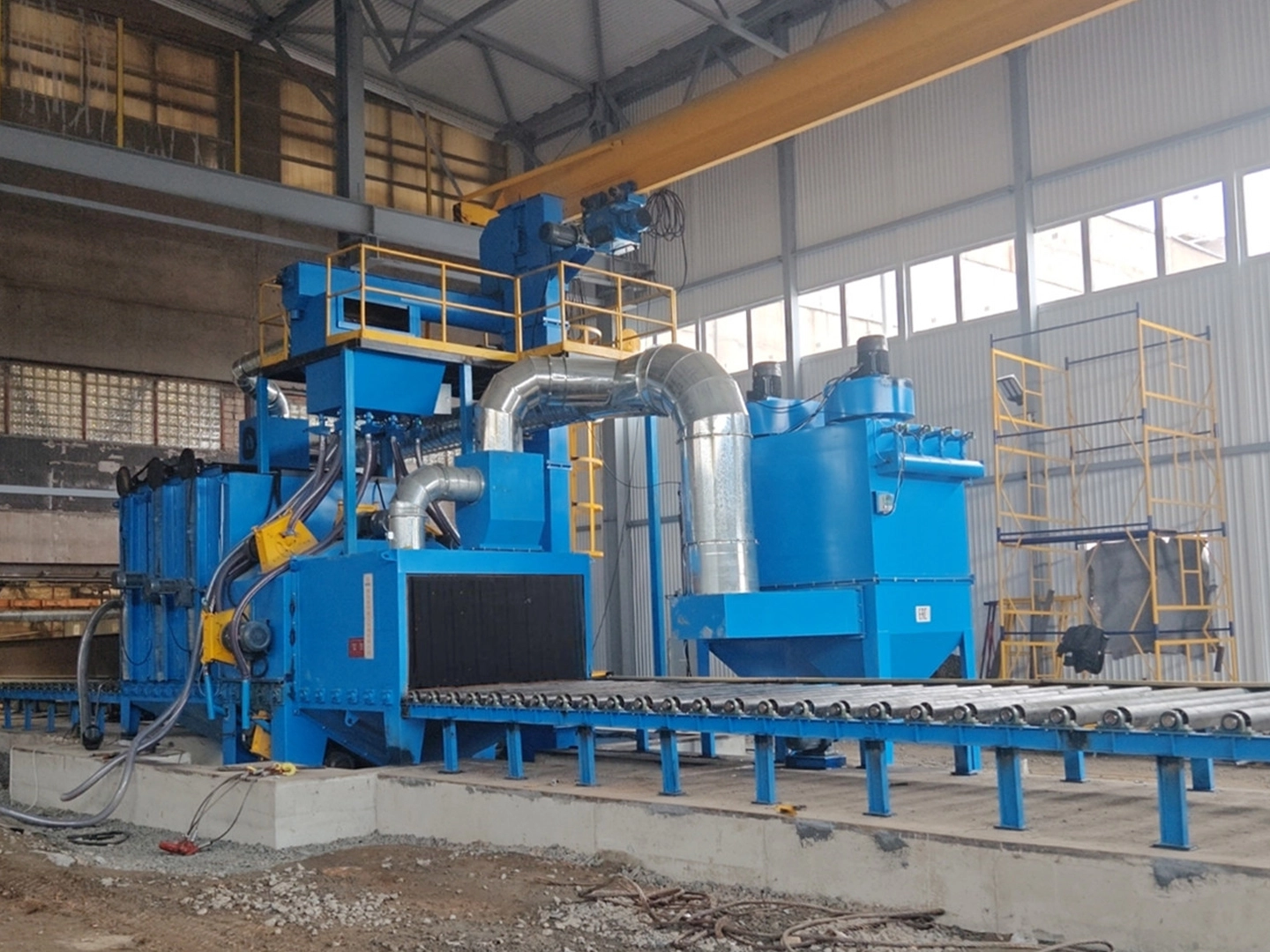
Roller conveyor Shot Blasting Machines
Use roller conveyors for assembly line operation. They are primarily used for surface treatment of long workpieces such as steel plates and profiles.
Chain-Type Shot Blasting Machines
Use chain-type conveyors for conveying, making them suitable for continuous processing of large batches of small parts.
Centrifugal Projectile Shot Blasting Machines
Use a high-speed impeller to project the shot, offering high efficiency, but wearing parts require regular replacement.
Air jet type
Powered by compressed air, it is suitable for precision machining, but has high energy consumption.
Surface cleaning equipment
Mainly used to remove impurities and oxide layers from the workpiece surface.
Strengthening equipment
Improve the fatigue strength of metal parts through shot impact.
Pretreatment system
Provides an appropriate surface roughness for subsequent coating processes.
Finishing equipment
Used for deburring and surface finishing of workpieces.