English

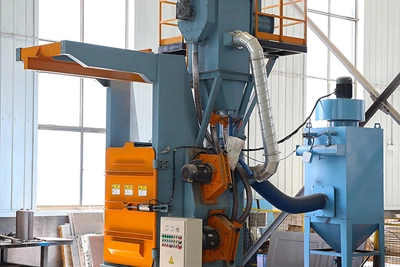
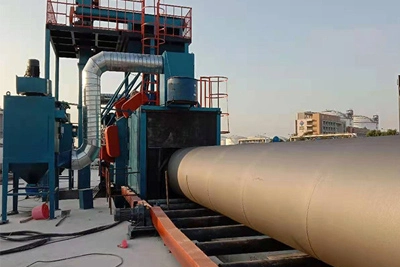
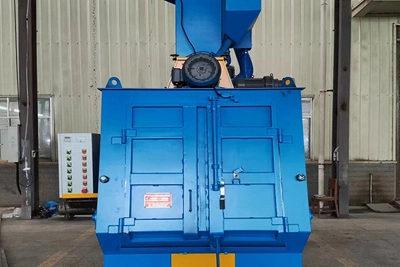
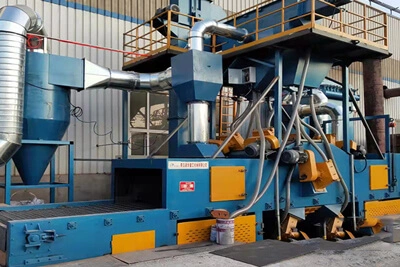
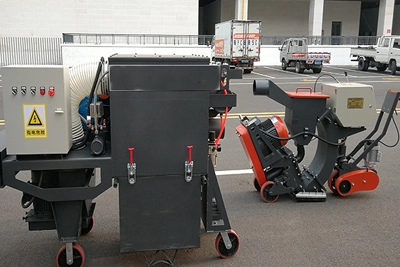

Pipe diameter and length directly determine machine structure, blasting power, conveyor configuration, and production efficiency. In external pipe processing, a Roller Conveyor Shot Blasting Machine must be engineered around these two parameters to ensure stable pipe rotation, uniform surface treatment, and reliable throughput. Machines designed without accurate diameter and length data often suffer from uneven cleaning, vibration, or limited capacity.
The following analysis explains how experienced manufacturers translate pipe dimensions into practical machine design decisions.
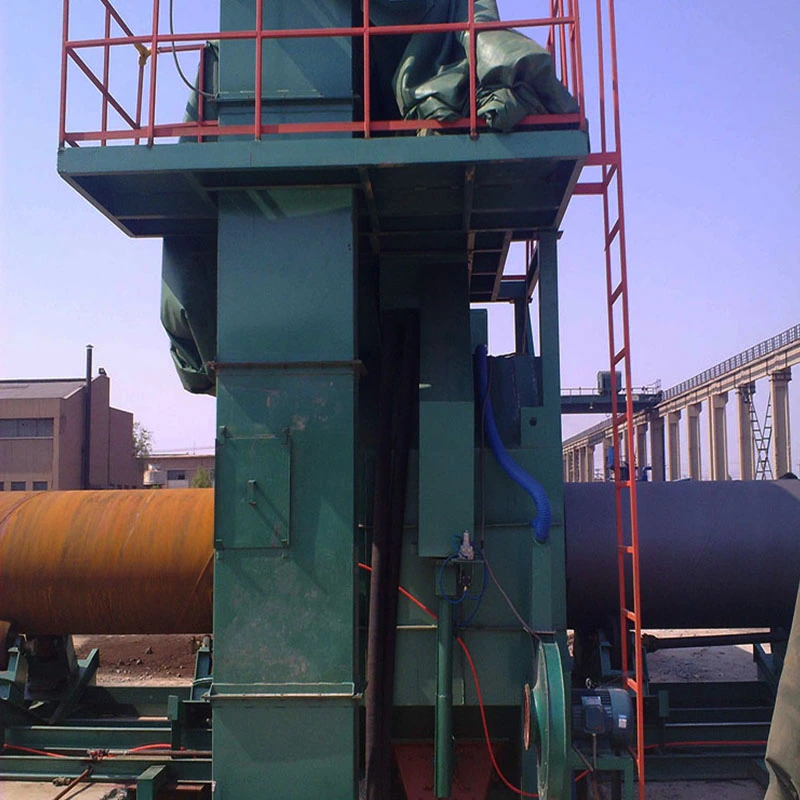
Pipe diameter defines how the pipe behaves inside the blasting chamber and how energy is applied to the surface.
Larger diameters require greater blast coverage area
Smaller diameters need closer blast wheel positioning
Wide diameter ranges demand adjustable support systems
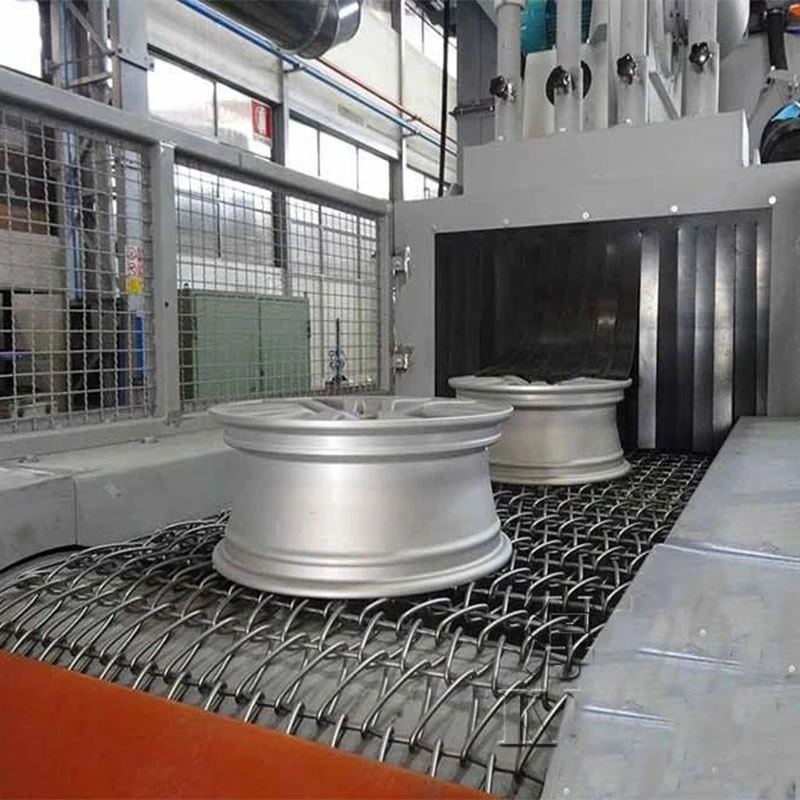
In a Roller Conveyor Shot Blasting Machine, roller spacing and diameter are designed to:
Prevent slipping during rotation
Maintain constant peripheral speed
Avoid deformation on thin-walled pipes
Improper diameter matching is a common cause of unstable rotation and inconsistent cleaning.
Blast wheel quantity and angle are selected based on:
Pipe circumference
Required surface cleanliness
Conveyor speed
Typical design logic:
Small to medium pipes: fewer wheels with concentrated coverage
Large pipes: more wheels arranged radially to eliminate shadow zones
Well-designed machines focus on coverage geometry, not just wheel quantity, to reduce abrasive waste and energy loss.
Pipe length has a major impact on line configuration and material handling, especially in continuous blasting systems.
Determines blasting chamber length
Influences conveyor alignment
Affects loading and unloading rhythm
In a Roller Conveyor Shot Blasting Machine, the pipe must remain fully within the effective blasting zone long enough to achieve the target surface standard. Short chambers or excessive line speed lead to under-cleaned areas.
Long pipes introduce additional mechanical considerations:
Increased bending stress
Higher torque requirements for rotation
Risk of vibration or deflection
To address this, machines use:
Multiple synchronized rollers
Reinforced frames
Stable drive systems
For pipes over 12 meters, conveyor synchronization becomes critical to maintain smooth rotation throughout blasting.
Single-size production lines benefit from:
Optimized blasting power
Higher throughput
Lower adjustment time
Multi-size lines require:
Adjustable roller spacing
Variable speed drives
Flexible blast wheel angles
A Roller Conveyor Shot Blasting Machine designed for wide size ranges must balance flexibility with mechanical stability.
Larger diameters and longer pipes:
Require more blasting energy
Reduce achievable line speed
Increase abrasive circulation load
Smaller pipes allow:
Higher throughput
Faster rotation
More compact machine design
Accurate dimension-based capacity planning prevents bottlenecks and excessive wear.
From real project experience, typical issues include:
Designing only for maximum diameter and ignoring minimum size
Underestimating pipe length variability
Using insufficient roller support for long pipes
Overpowering shot blast wheels without improving coverage
These mistakes lead to higher operating cost and inconsistent results.
When specifying a Roller Conveyor Shot Blasting Machine, users should clearly define:
Minimum and maximum pipe diameter
Wall thickness range
Standard and maximum pipe length
Surface cleanliness requirement
Target production rate
Clear data allows manufacturers to engineer machines that perform reliably under real production conditions.
| Pipe Diameter | Pipe Length | Design Focus |
Ø60–219 mm | ≤6 m | Compact rollers, high speed |
Ø273–508 mm | 6–12 m | Adjustable rollers, balanced power |
Ø610–1016 mm | 12 m | Multiple wheels, reinforced frame |
Ø1200 mm+ | 12–18 m | Heavy-duty conveyor, high torque |
Pipe diameter and length are not just technical inputs—they define how a Roller Conveyor Shot Blasting Machine must be engineered to deliver consistent surface quality and stable production. Accurate dimension-based design improves blasting efficiency, extends equipment life, and lowers total cost of ownership.