English

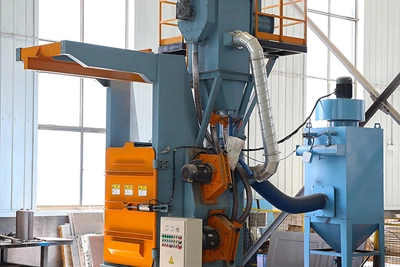
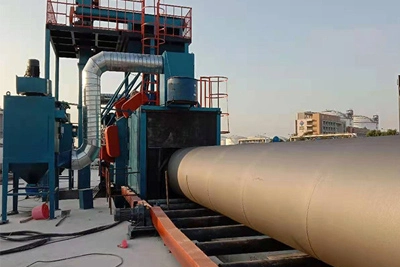
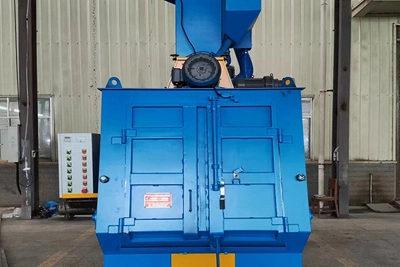
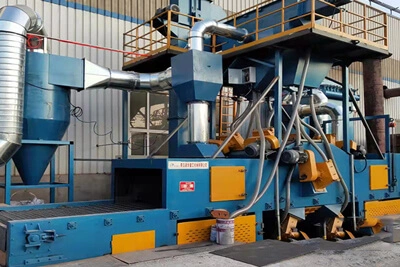
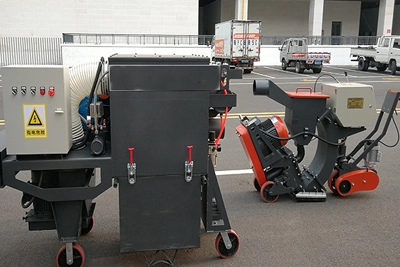

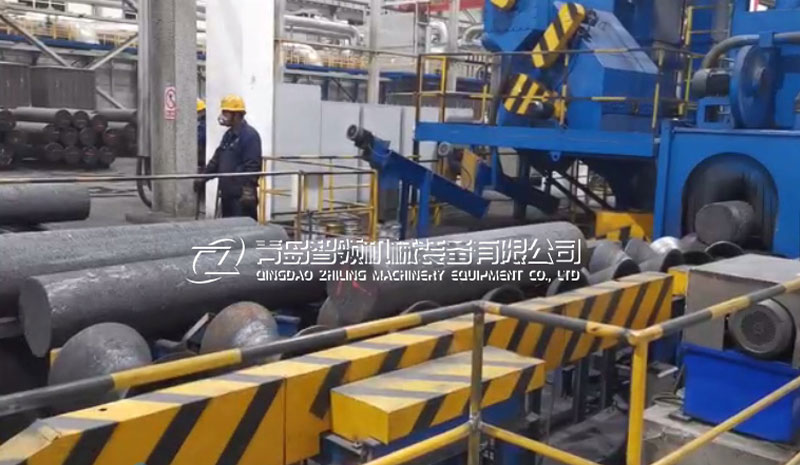
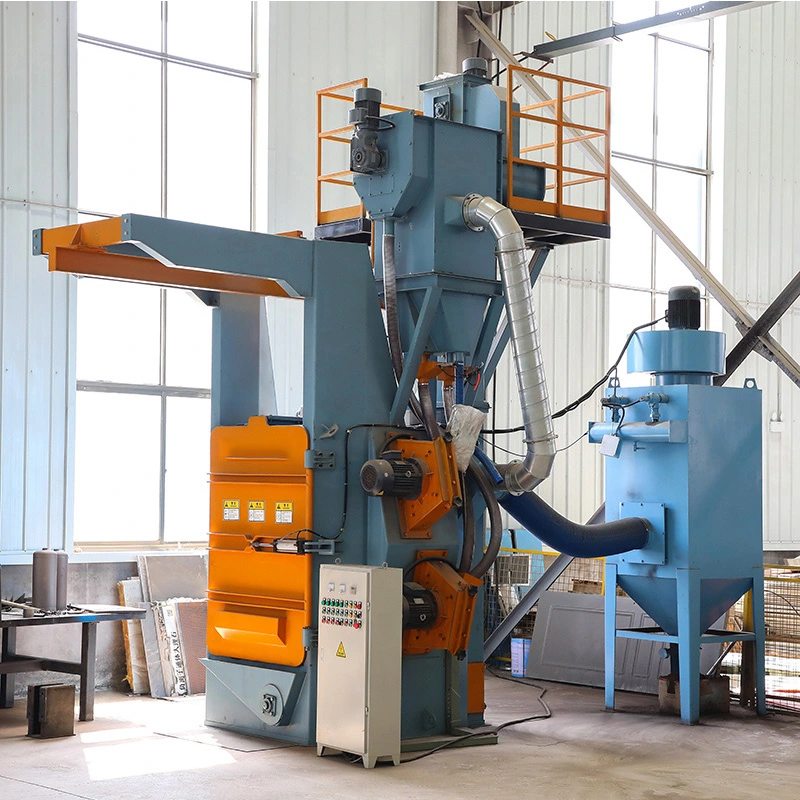
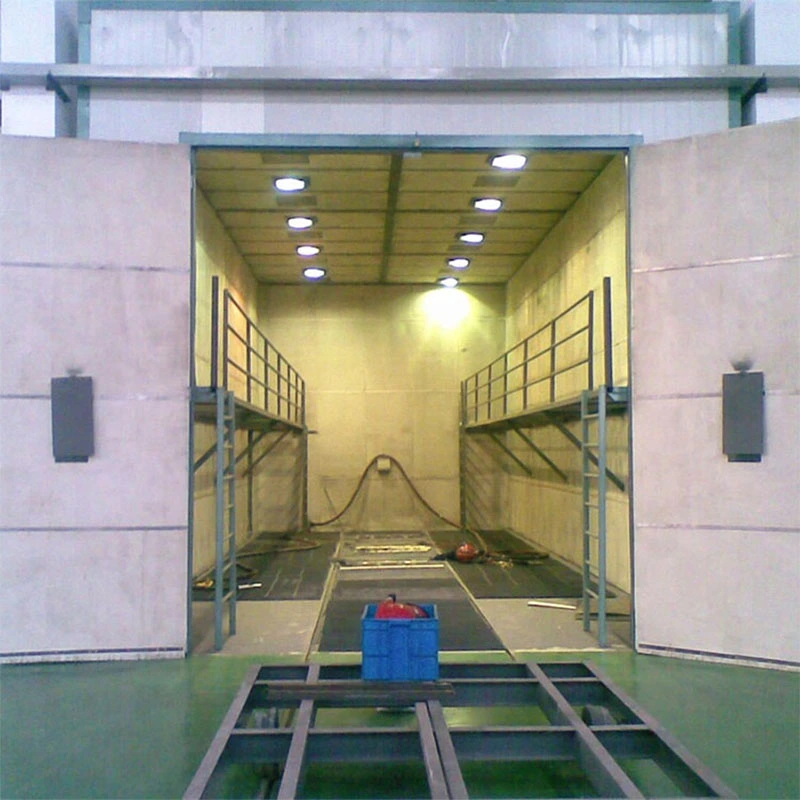
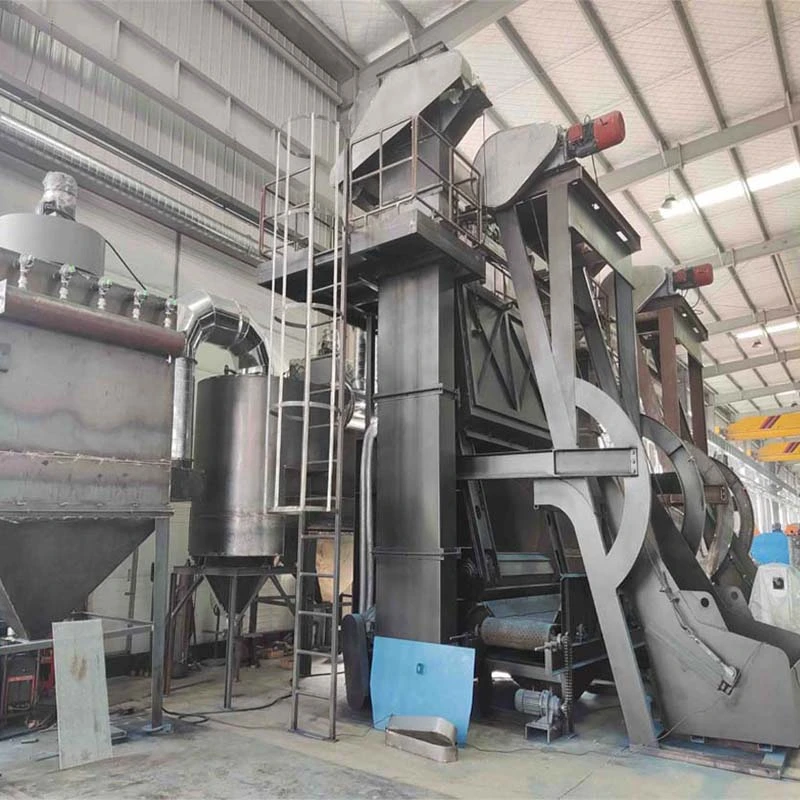
Due to the unique physical properties of graphite, the shot blasting process requires special attention to the following aspects:
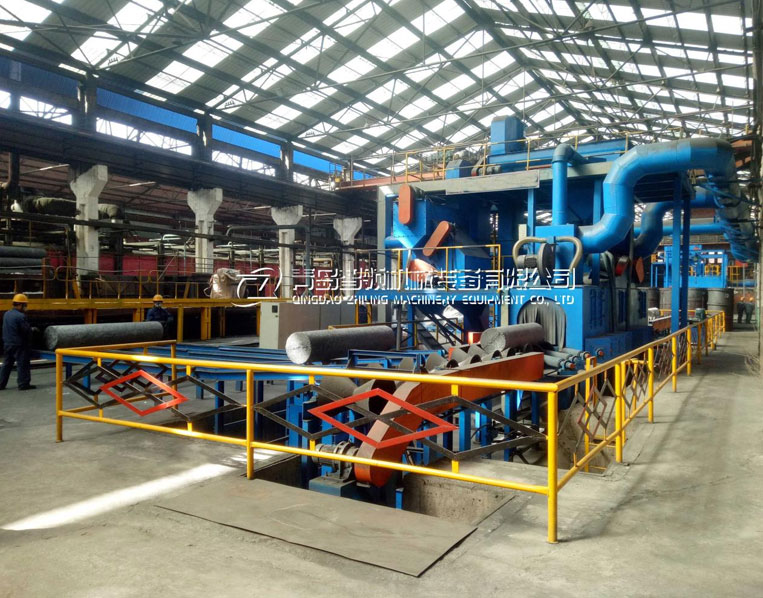
The shot blasting equipment must be equipped with an adjustable power system to ensure that the impact energy is kept within a reasonable range. Precisely controlling the shot velocity effectively removes surface impurities while minimizing damage to the electrode itself.
The shot angle requires repeated testing to determine the optimal value, and the treatment time should be adjusted according to the electrode specifications. The choice of abrasive is particularly critical, ensuring effective cleaning while avoiding excessive impact on the electrode surface.
To ensure treatment quality, specialized clamping devices must be designed. These devices must effectively secure the electrode, reduce vibration and displacement during treatment, and ensure stability during rotation.
Graphite electrodes treated with shot blasting exhibit significant performance improvements in several areas:
The oxide layer on the electrode surface is effectively removed, resulting in a significantly improved surface finish. Microscopic observations revealed a significant reduction in surface defects and improved overall uniformity.
The electrode's electrical conductivity was significantly improved, increasing current conduction efficiency. In actual use, the resistance at the electrode contact point was significantly reduced, reducing energy loss.
The treated electrodes exhibited improved stability during the smelting process, with a significantly reduced consumption rate. This not only extended the electrode's service life but also enhanced the continuity of smelting operations.