English

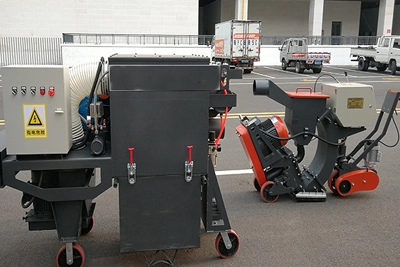

After working in the surface preparation industry for over 15 years, I've seen countless facilities struggle with choosing the right blasting equipment. The answer isn't always straightforward, but here's what you need to know upfront.
The core difference: Sand blasting room use compressed air to shoot abrasive through a nozzle, while shot blasting machines spin abrasive media using centrifugal wheels. Think of it like the difference between a spray gun and a slingshot – both get the job done, but in completely different ways.
If you're dealing with complex shapes, field work, or need precise control, sandblasting is usually your best bet. For high-volume production with consistent parts, shot blasting will save you time and money in the long run.
I've operated hundreds of sandblasting setups, from small portable units to massive industrial systems. The concept is simple but the execution matters enormously.
Your compressed air system (typically running 80-125 PSI) pushes abrasive media through a hose and out a nozzle. Sounds basic, right? But here's where experience counts – nozzle standoff distance, air pressure, and media flow rate all dramatically affect your results.
In my early days, I learned the hard way that a worn tungsten carbide nozzle can cut your productivity by 40%. These days, I replace nozzles when they've enlarged by just 1/16 inch from their original bore size.
The real advantage comes down to control. You can adjust your blast pattern instantly, work around obstacles, and switch between different media types in minutes. Last month, we had a restoration project where we needed to remove paint from ornate metalwork without damaging the base material – try doing that with shot blasting.
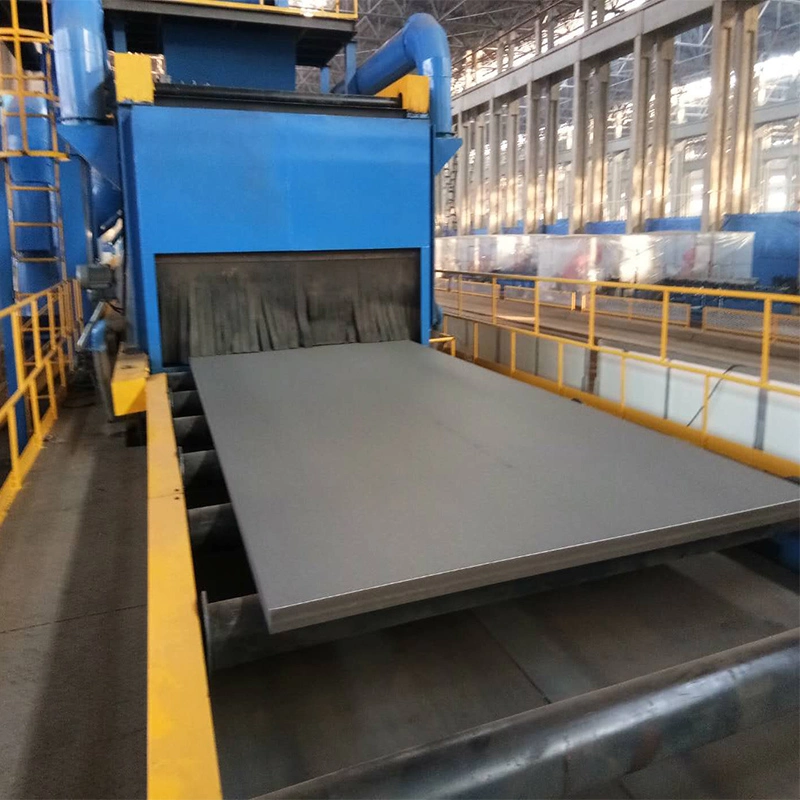
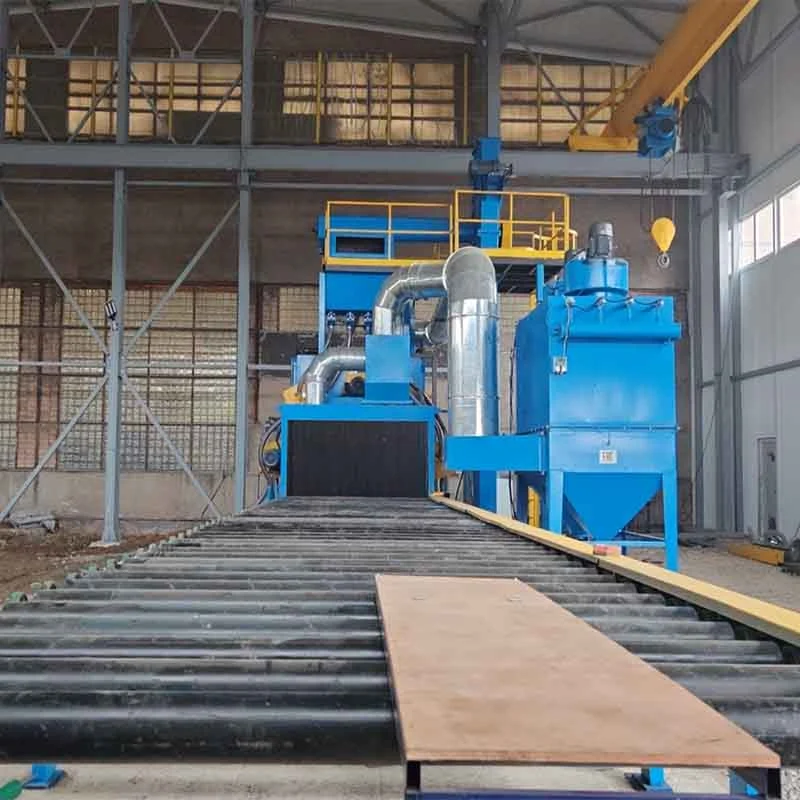
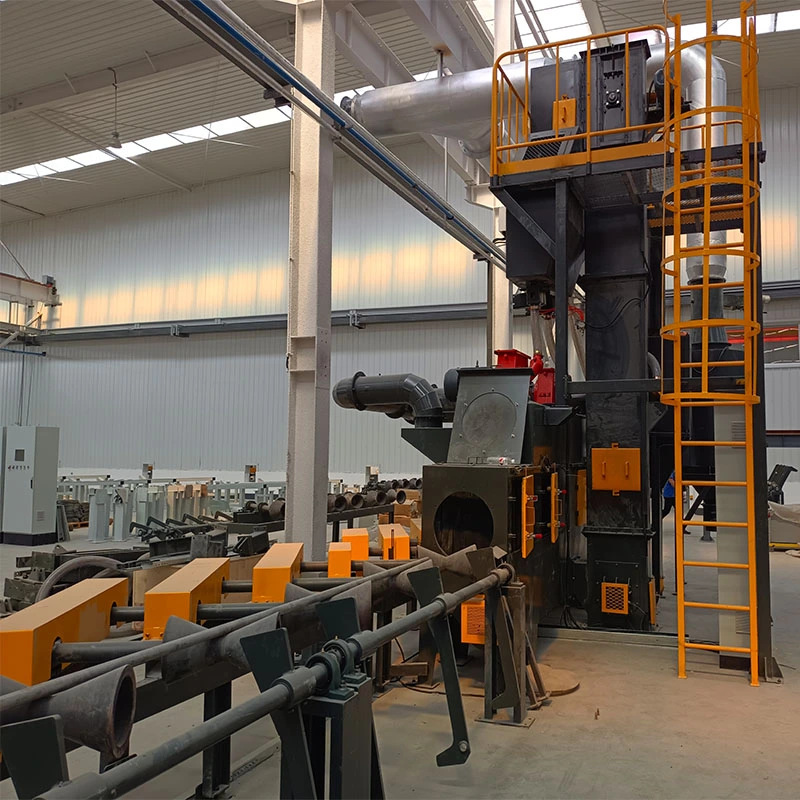
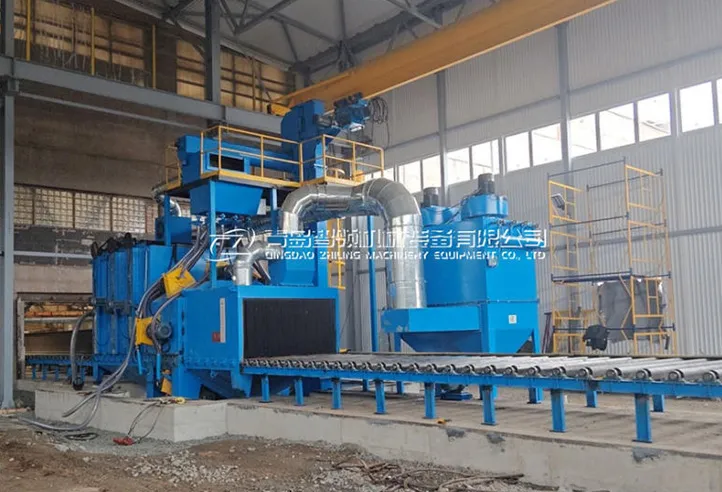
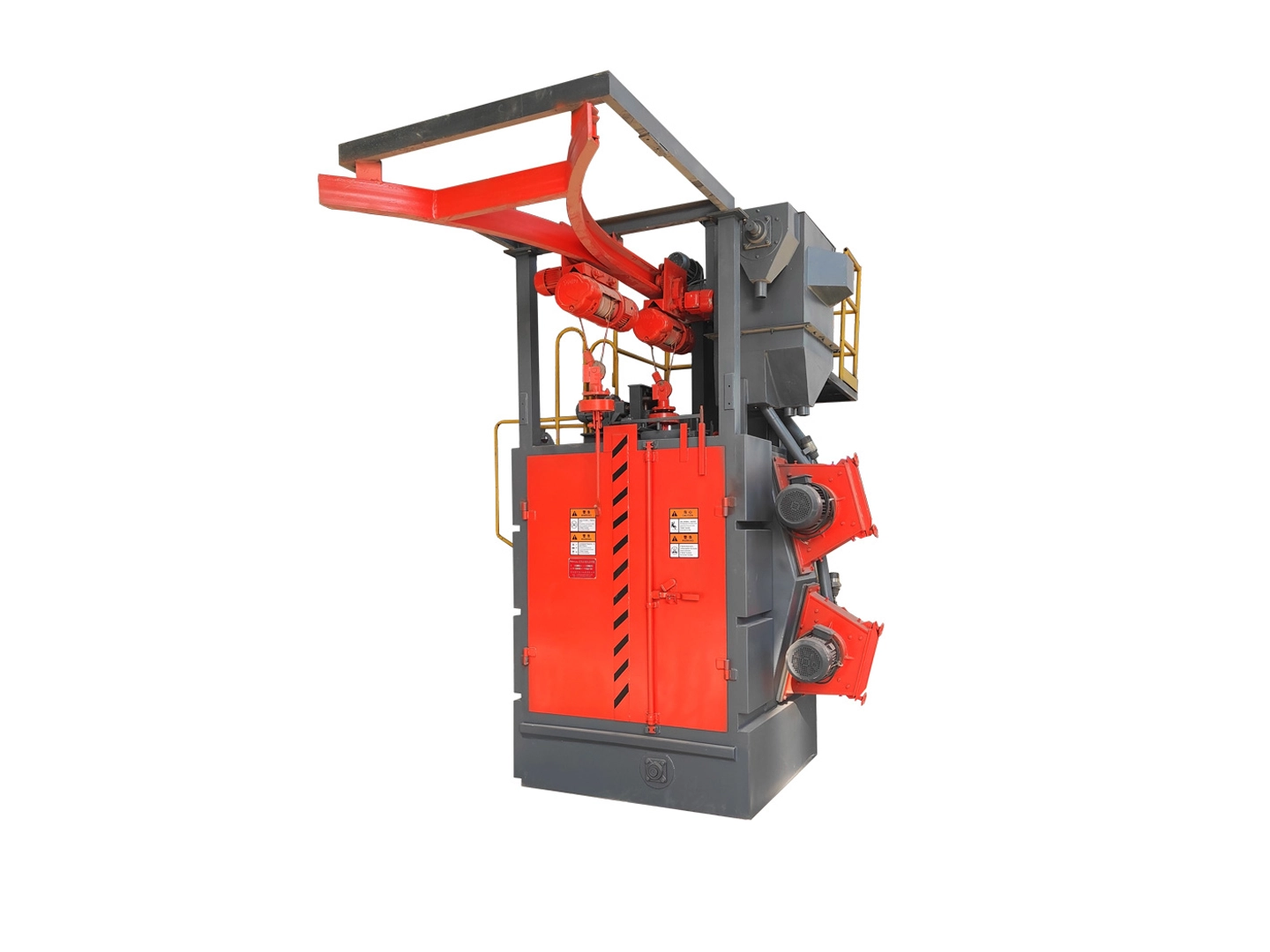
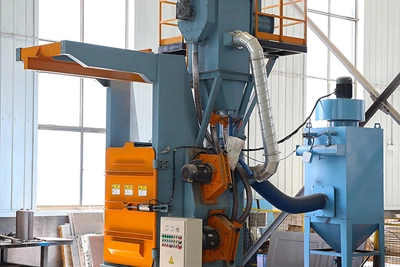
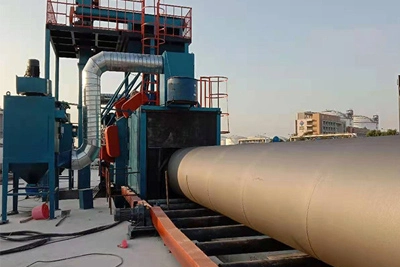
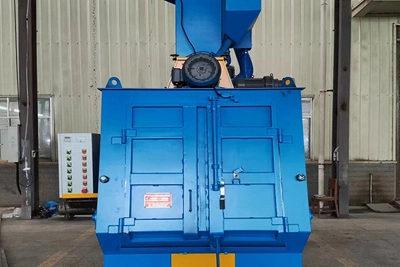
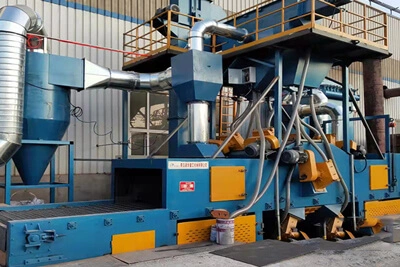
Shot blasting machines are different beasts entirely. Instead of air, they use spinning wheels (running 2000-3000 RPM) to fling steel shot or grit at incredible speeds. Think of it like a very aggressive washing machine that throws media instead of water.
The beauty of shot blasting lies in its consistency. Once you dial in your settings – wheel speed, media flow, conveyor speed – every part gets identical treatment. I've seen automotive plants process thousands of components daily with surface profiles that vary less than half a mil.
But here's something the spec sheets won't tell you: shot blasting machines are particular about what they can handle. Try running aluminum parts through a steel shot system and you'll contaminate your media. The cleanup alone will cost you days of production.
One major advantage of sandblasting is media flexibility. Over the years, I've used everything from crushed walnut shells (great for delicate cleaning) to copper slag (when you need serious cutting power).
Here's my go-to media selection based on real-world experience:
Aluminum oxide: My standard for most steel prep work. Cuts fast, recycles well, creates excellent profiles
Glass beads: Perfect when you need a uniform satin finish without excessive profiling
Garnet: Expensive but worth it for precision work or when contamination is a concern
Baking soda: Sounds crazy, but it's perfect for fire damage restoration or graffiti removal
The key is matching your media to both the substrate and the coating system. I've seen too many jobs fail because someone used aggressive media that over-profiled the surface.
Shot blasting systems are much pickier about media. You're basically limited to steel shot (spherical) or steel grit (angular), with some specialty stainless options for specific applications.
But this limitation is actually a strength in production environments. Steel shot can be recycled 3000-5000 times before replacement. I've calculated media costs as low as $0.03 per square foot on high-volume jobs – try matching that with single-use sandblasting media.
The trick is understanding when to use shot versus grit. Shot gives you a peened finish that actually strengthens the surface – perfect for spring components or fatigue-critical parts. Grit cuts more aggressively and creates better anchor patterns for coatings.
Spec sheets claim sandblasting rates of 50-200 square feet per hour, but reality is more complex. I've seen experienced operators hit 300 square feet per hour on simple flat surfaces, while complex geometries might drop you to 25 square feet per hour.
The learning curve is steep. A novice operator might use twice as much media and take three times as long as someone with experience. But once your team gets proficient, the flexibility is unmatched.
Last year, we had an emergency job on a bridge pier with active traffic below. Try explaining to a DOT inspector why you need to shut down a highway for shot blasting equipment when a crew with sandblasting gear can work in confined spaces with minimal disruption.
Shot blasting productivity numbers are more reliable because automation removes the human variable. Our largest system consistently processes 1,200 square feet per hour with one operator monitoring multiple machines.
The downside? Setup time can be brutal. Changing from one part configuration to another might cost you two hours of production. And if something breaks – say a wheel bearing fails – you're looking at expensive downtime.
But for the right applications, shot blasting is incredibly cost-effective. We calculated payback on our last system at 18 months, and that included installation costs.
Everyone focuses on equipment costs, but sandblasting has hidden expenses that add up fast:
Compressed air is expensive to generate – figure $0.25-$0.30 per 1000 cubic feet
Media costs vary wildly – I've paid $0.08/lb for slag and $3.50/lb for specialty abrasives
Disposal costs are increasing everywhere, especially for silica-containing waste
Protective equipment and training costs more than people expect
One client saved $40,000 annually just by switching from garnet to recycled glass media for routine steel prep work.
Shot blasting has higher upfront costs but better long-term economics:
Our last 15-wheel system cost $280,000 installed, but processes 50,000 square feet monthly
Media costs average $0.06 per square foot with proper recycling systems
Maintenance runs about $15,000 annually for wear parts and consumables
Labor costs are significantly lower – one operator handles what takes three sandblasters
The break-even point usually hits around 500 tons of processed material annually.
After years of experience, I recommend sandblasting for:
Field work or job sites without permanent installations
Complex geometries that automated systems can't reach
Low to medium volume work (under 500 tons annually)
Applications requiring multiple media types
Precision work where selective surface preparation is critical
Recently, we used sandblasting to restore a historic cast iron facade. The intricate details and varying surface conditions made sandblasting the only viable option.
Choose shot blasting when you have:
High volume production (over 500 tons annually)
Consistent part geometries that fit your equipment envelope
Environmental restrictions on dust or noise
Quality requirements demanding consistent surface profiles
Parts that benefit from the compressive stresses shot blasting creates
Our automotive clients love shot blasting for transmission cases and engine blocks – parts that see the same treatment thousands of times daily.
Let's be honest – sandblasting creates environmental headaches. Even with the best dust collection systems, you're dealing with:
Respirable silica regulations that are getting stricter every year
Noise levels that often require hearing conservation programs
Waste disposal costs that vary dramatically by location
Worker protection requirements that add significant training and equipment costs
I've seen facilities spend $200,000 on environmental upgrades to keep operating sandblasting systems.
Shot blasting systems are inherently cleaner:
Enclosed chambers contain virtually all dust and debris
Media recycling reduces waste streams by 95%
Noise levels are manageable with proper equipment selection
Worker exposure is minimal during normal operations
The environmental compliance costs alone often justify the higher equipment investment.
After 15 years in this business, my advice is simple: match the technology to your specific needs, not what looks impressive in marketing brochures.
Consider your production volume, part complexity, quality requirements, and environmental constraints. Then factor in total cost of ownership over 5-10 years, not just initial purchase price.
Most importantly, visit facilities using both technologies for similar applications. See the equipment running, talk to operators, and understand the real-world challenges and benefits.
The right choice depends on your specific situation, but understanding these fundamental differences will help you make an informed decision that serves your operation for years to come.