English

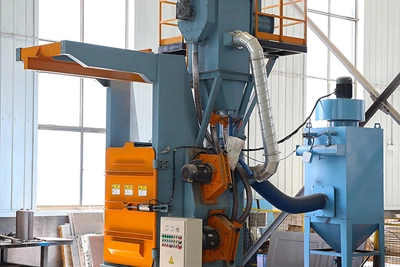
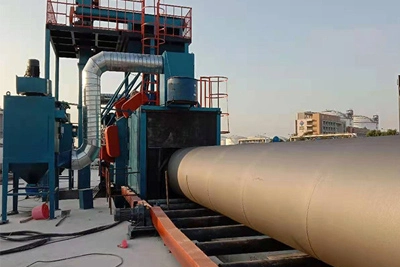
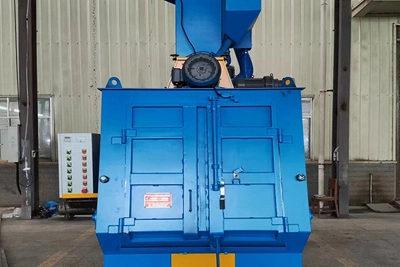
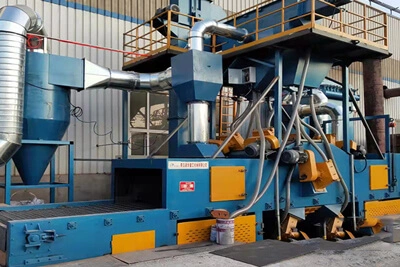
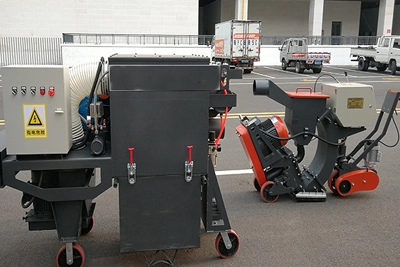

A Steel Plate Shot Blasting Machine integrates best when it becomes a continuous, synchronized stage between cutting, welding, and coating. Successful integration aligns line speed, material handling, blast wheel layout, and downstream requirements so surface quality is achieved without becoming a bottleneck. Poor integration, by contrast, creates idle time, rehandling, and inconsistent coating results.
The guidance below reflects how plate pretreatment lines are designed and commissioned in real fabrication plants.
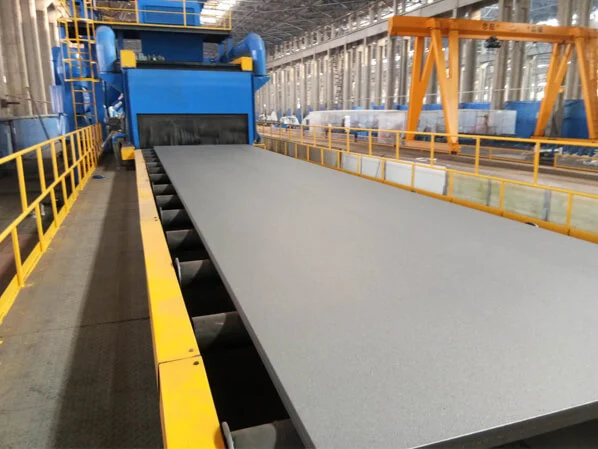
Placement depends on the production objective:
Before welding to remove mill scale and improve weld quality
Before painting or coating to meet surface cleanliness and profile standards
After cutting and leveling to ensure flatness and stable transport
Most plants place the Steel Plate Shot Blasting Machine between cutting/leveling and coating, allowing a clean, predictable surface for downstream processes.
Too fast → incomplete cleaning, failed adhesion
Too slow → wasted capacity, higher cost per plate
To match speeds:
Determine target surface standard (e.g., Sa2.5)
Set conveyor speed based on blast wheel coverage density
Validate speed under continuous operation, not test runs
A well-integrated Steel Plate Shot Blasting Machine maintains cleanliness at production speed, not at reduced commissioning speed.
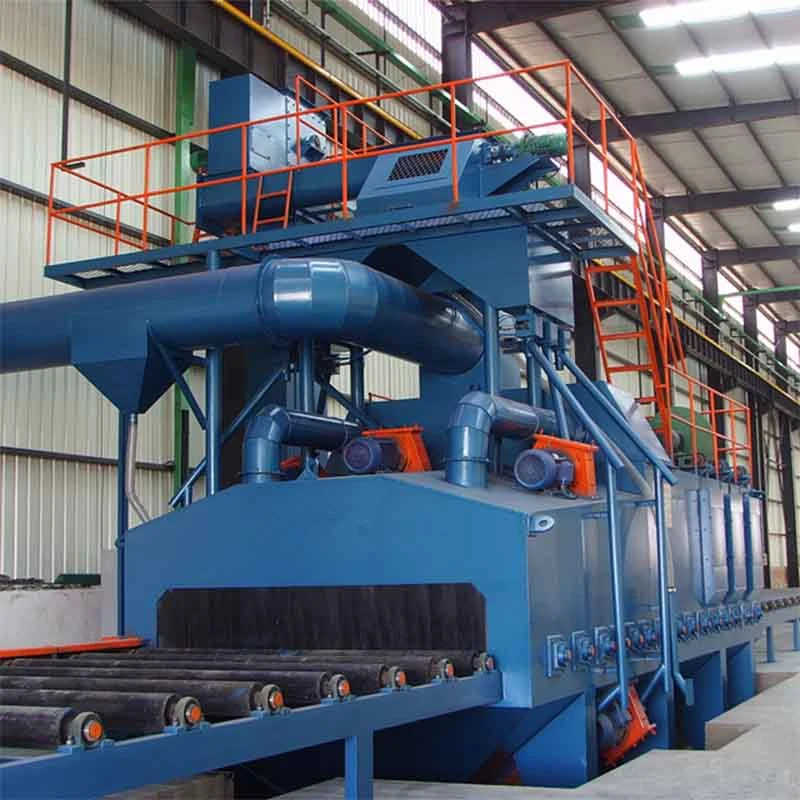
Key handling elements include:
Infeed roller conveyors with centering guides
Adjustable pinch rollers to stabilize thin plates
Outfeed conveyors aligned with painting or stacking systems
Roller spacing, diameter, and drive torque must match plate thickness and weight range to avoid vibration or slippage.
Blast wheel layout must reflect plate width range and flow direction within the line.
Integration considerations:
Wider plates require edge-focused wheel angles
Narrow plates need adaptable coverage to avoid over-blasting
Bottom wheel placement must account for roller interference
Proper layout allows consistent cleaning without slowing the line or increasing abrasive consumption.
A Steel Plate Shot Blasting Machine should connect to:
High-capacity dust collectors sized for continuous duty
Automated filter cleaning systems
Enclosures and seals to prevent dust migration
Integration with the plant's environmental system avoids cross-contamination of welding and painting areas.
Yes. Modern systems integrate via:
PLC communication with upstream/downstream machines
Speed synchronization signals
Emergency stop interlocks
This ensures that if one section stops, the entire line responds safely and predictably.
Inline inspection improves consistency.
Common practices include:
Visual inspection zones after blasting
Surface profile measurement stations
Feedback loops to adjust blasting parameters
Integration allows rapid correction without stopping production.
From field projects, frequent problems include:
Treating blasting as a standalone machine
Ignoring future throughput expansion
Undersized dust collection for continuous operation
Misaligned conveyors causing plate skew
These issues reduce both efficiency and surface quality.
| Stage | Function |
Cutting / Leveling | Plate preparation |
Steel Plate Shot Blasting Machine | Descaling and surface prep |
Painting / Coating | Corrosion protection |
Drying / Curing | Finish stabilization |
Stacking / Packing | Logistics |
Each stage must be designed as part of a unified system.
Integrating a Steel Plate Shot Blasting Machine into a production line is an engineering task, not just equipment placement. When blasting capacity, handling systems, and control logic are aligned, the result is higher throughput, stable surface quality, and lower operating cost.