English

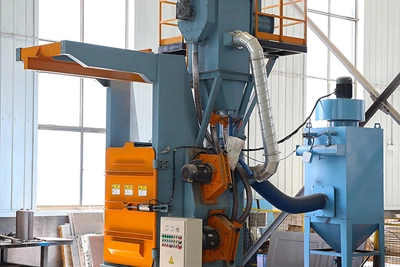
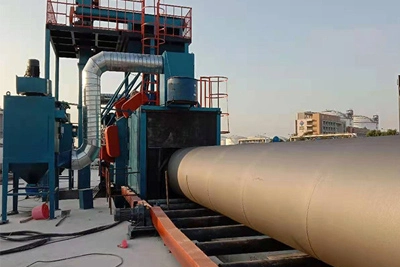
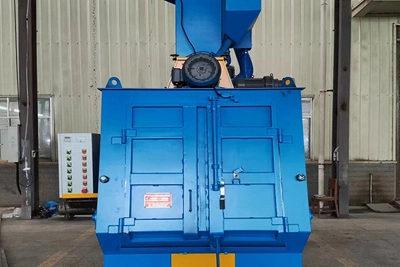
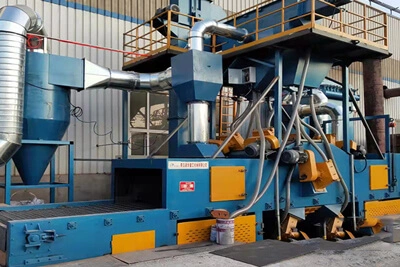
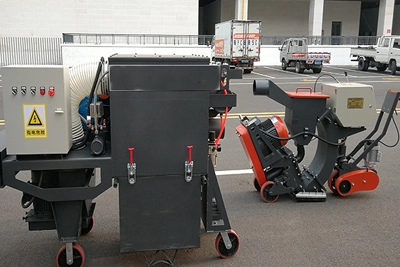

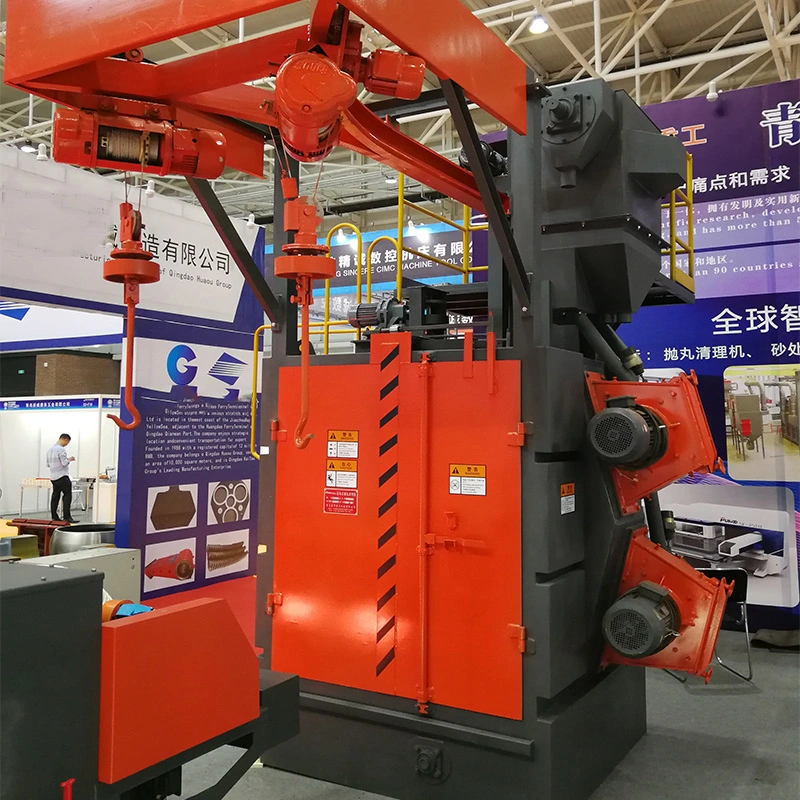
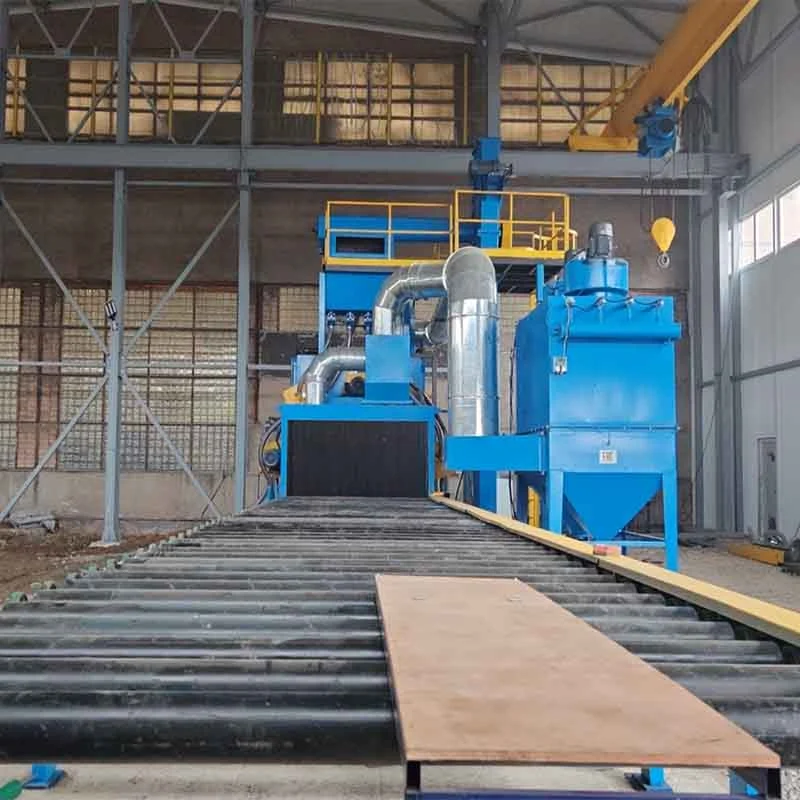
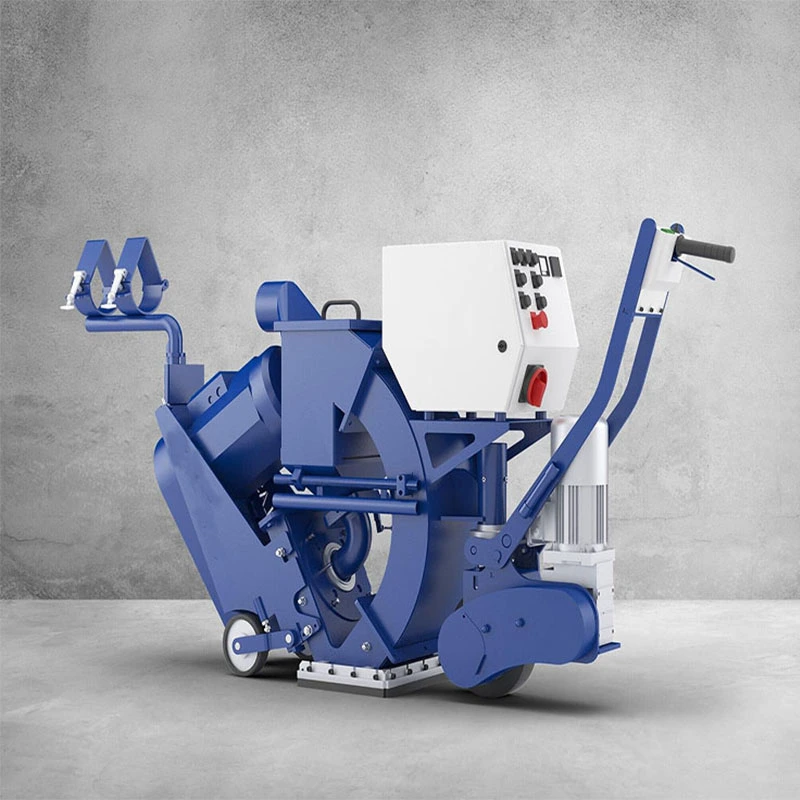
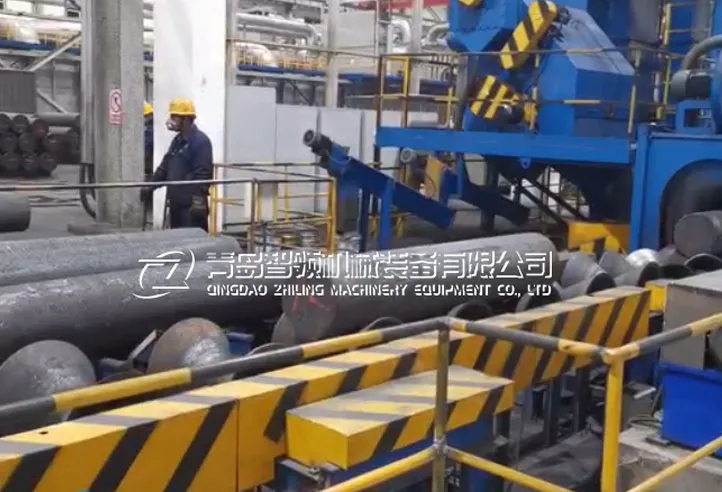
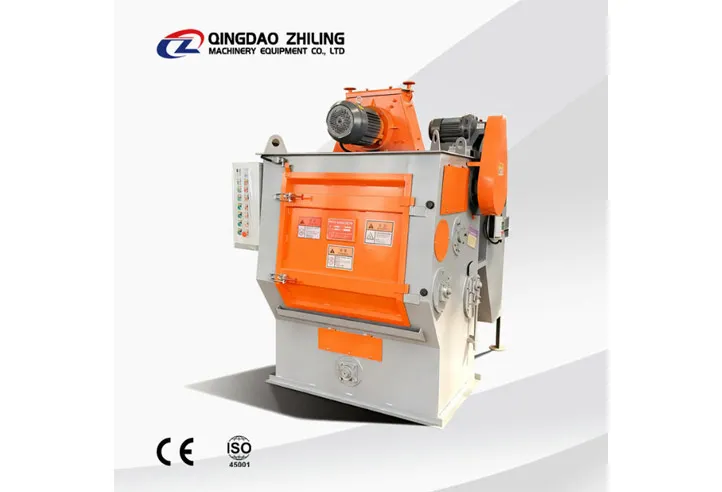
The hook-type shot blasting machine is a commonly used equipment in industrial surface treatment and is widely used in casting, machining and other fields. Its advantages are mainly reflected in the following aspects:
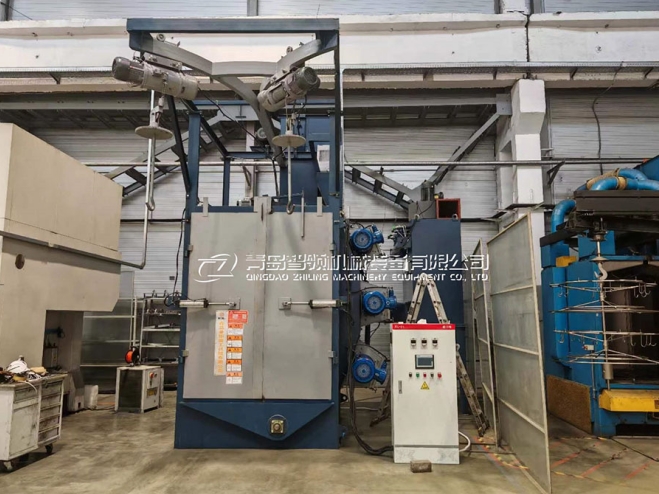
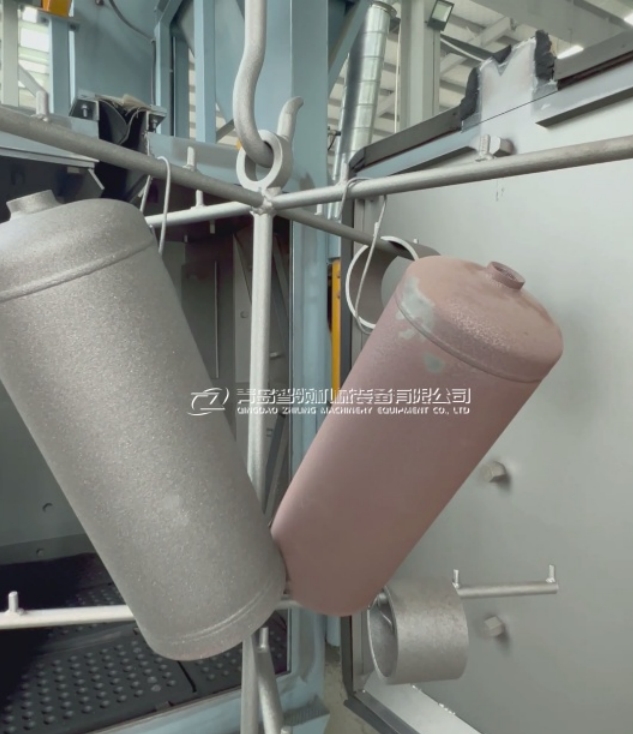
This shot blasting machine uses a hook to hang the workpiece, which allows the workpiece to rotate freely during the shot blasting process to ensure that every corner can be fully impacted by the projectile. Whether it is a casting with a complex shape or a precision mechanical part, a uniform cleaning effect can be obtained. It is especially suitable for processing medium and large workpieces that are afraid of bumps, such as engine crankshafts, gear boxes, etc.
Most modern hook-type shot blasting machines adopt an automated design. Workers only need to hang the workpiece on the hook, and the rest of the cleaning work is automatically completed by the equipment. The double hook design can realize continuous operation. When one hook is cleaning, the other hook can load and unload the workpiece, which greatly saves waiting time.
In addition to surface cleaning, this equipment can also generate compressive stress on the workpiece and improve fatigue resistance. The service life of the treated parts can often be extended by more than 30%. This is why industries with high requirements for parts such as automobiles and aviation will choose this equipment.
The equipment adopts a closed design and is equipped with an efficient dust removal system, which can effectively control dust spillage. The projectiles can be recycled, which saves costs and reduces waste. The current models all meet strict environmental emission standards.
Compared with other types of shot blasting machines, the hook-type structure is more compact and occupies a small area, which is particularly suitable for small and medium-sized factories. Daily maintenance is also simple, and the main wearing parts can be quickly replaced without affecting normal production.
The equipment is equipped with multiple safety protection devices, such as the door cannot be started if it is not closed tightly, the emergency stop button, etc., which effectively ensures the safety of the operator.
In automotive parts factories, it is often used to process gearbox housings; in shipyards, it is used to clean large castings; in wind power equipment manufacturing, it is used to strengthen the blade connectors.