English

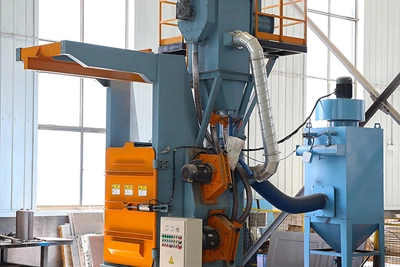
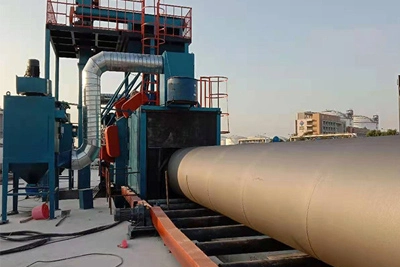
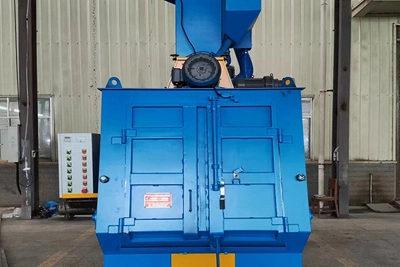
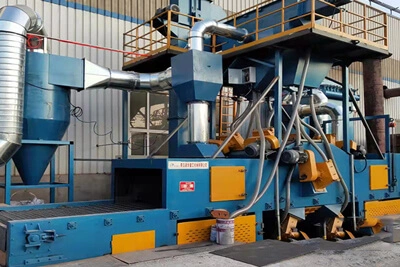
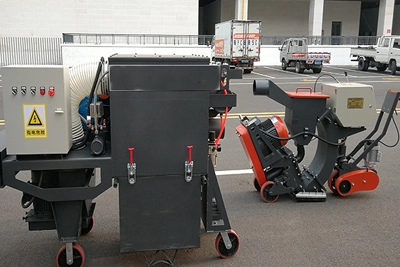

A Sand Blasting Room is designed for large, heavy, or irregular workpieces and supports full walk-in operation, while a Sand Blasting Booth is intended for smaller to medium-sized parts with more compact, controlled blasting conditions. The real difference lies in workpiece size, production workflow, abrasive recovery method, and investment scale.
Below is a professional, industry-focused breakdown to help buyers choose the right solution based on actual operating needs, not marketing labels.
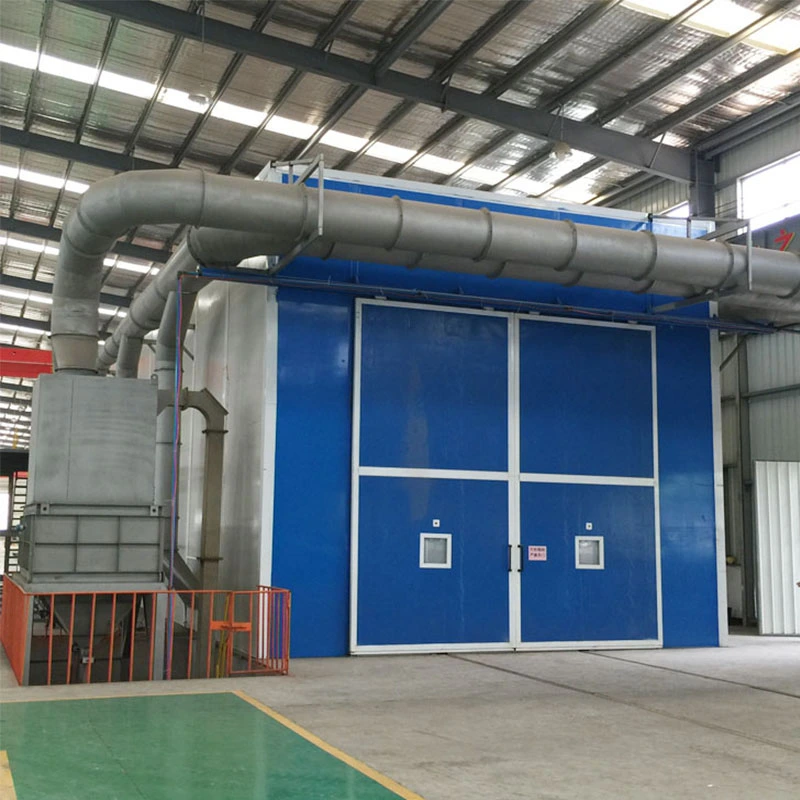
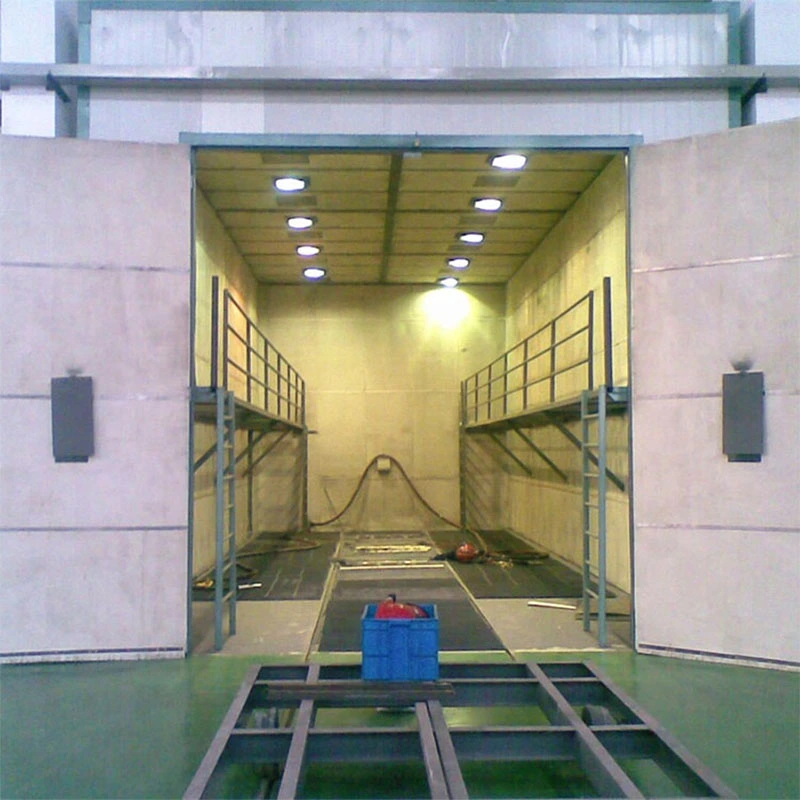
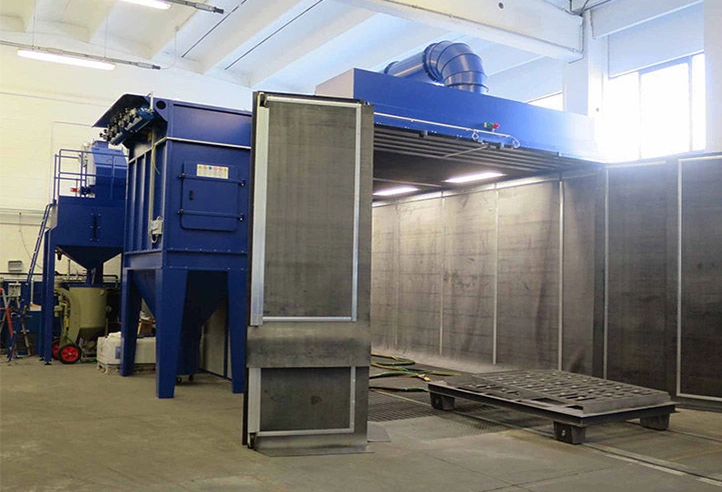
A Sand Blasting Room is a fully enclosed, walk-in blasting chamber where operators enter the room to blast large parts manually. It is typically equipped with:
Heavy-duty steel structure
Floor-based abrasive recovery system
High-capacity dust collector
Industrial lighting and ventilation
Overhead crane or rail system
Sand Blasting Rooms are widely used for:
Steel structures
Pressure vessels
Ship components
Large weldments
A sand blasting booth is usually a smaller, more compact enclosure, designed for:
Medium or small parts
Lower blasting volume
Shorter blasting cycles
Booths may be:
Manual or semi-automatic
Modular or containerized
Easier to relocate
Clear answer:
A Sand Blasting Room.
Reasons:
Walk-in design accommodates oversized parts
Crane access allows safe handling
No strict dimensional constraints from enclosure size
Sand blasting booths are limited by:
Door opening size
Internal working envelope
Operator reach
If your parts cannot be rotated or moved easily, a sand blasting room is the correct solution.
Sand Blasting Room systems typically use:
Screw conveyors
Scraper floors
Pneumatic recovery systems
These systems are designed for:
Heavy abrasive loads
Long blasting cycles
Multiple operators working simultaneously
Sand blasting booths often rely on:
Simpler recovery designs
Lower abrasive throughput
Shorter duty cycles
Industry insight:
For continuous industrial blasting, recovery efficiency directly impacts operating cost.
Both can meet environmental standards, but:
Sand Blasting Rooms use high-volume airflow to maintain visibility across a large space
Sand Blasting Booths use localized airflow for compact areas
A sand blasting room requires:
Larger dust collectors
More powerful ventilation
Careful airflow design to avoid dead zones
Yes — for large-scale components.
Sand Blasting Rooms support:
Multiple operators
Long blasting sessions
Heavy-duty production environments
Sand blasting booths are better suited for:
Lower throughput
Single-operator work
Smaller batch sizes
Sand Blasting Rooms typically require:
Higher capital investment
Floor preparation
Structural installation
Larger dust collection systems
Sand blasting booths:
Cost less upfront
Require less space
Install faster
Buyer perspective:
Choose based on long-term production plans, not just initial budget.
Both systems require full PPE, but:
Sand Blasting Rooms demand stricter airflow and visibility control due to larger spaces
Booths are easier to monitor and manage
In a Sand Blasting Room, safety design must include:
Emergency exits
Clear sightlines
Reliable communication systems
| Application | Better Choice |
Large steel structures | Sand Blasting Room |
Pressure vessels | Sand Blasting Room |
Medium-sized parts | Sand Blasting Booth |
Short-term projects | Sand Blasting Booth |
High-volume industrial blasting | Sand Blasting Room |
Choose a Sand Blasting Room if:
Parts are large or heavy
Operators must enter the blasting area
Blasting is a core production process
Long-term, high-capacity operation is required
Choose a Sand Blasting Booth if:
Parts are small to medium-sized
Blasting volume is limited
Space and budget are constrained
Flexibility and relocation matter
From an industry and sales standpoint, the difference between a Sand Blasting Room and a sand blasting booth is not just size — it’s about production philosophy.
A Sand Blasting Room is a long-term industrial solution for heavy-duty applications, while a booth is a compact, flexible option for lighter workloads.