English

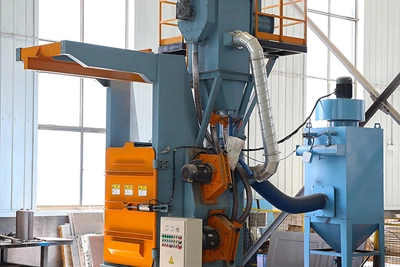
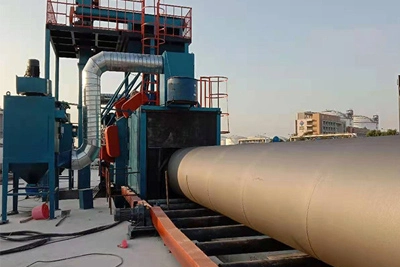
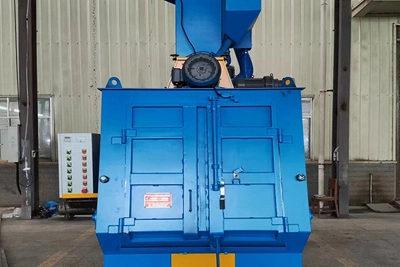
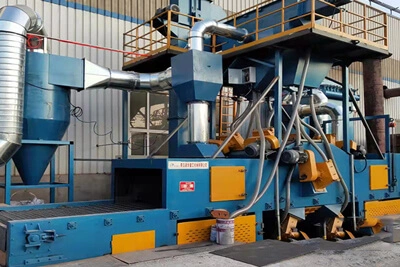
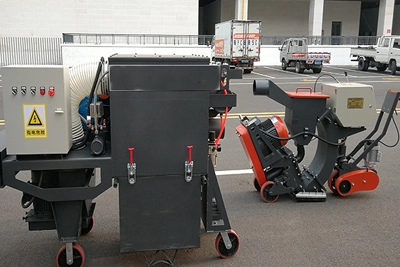

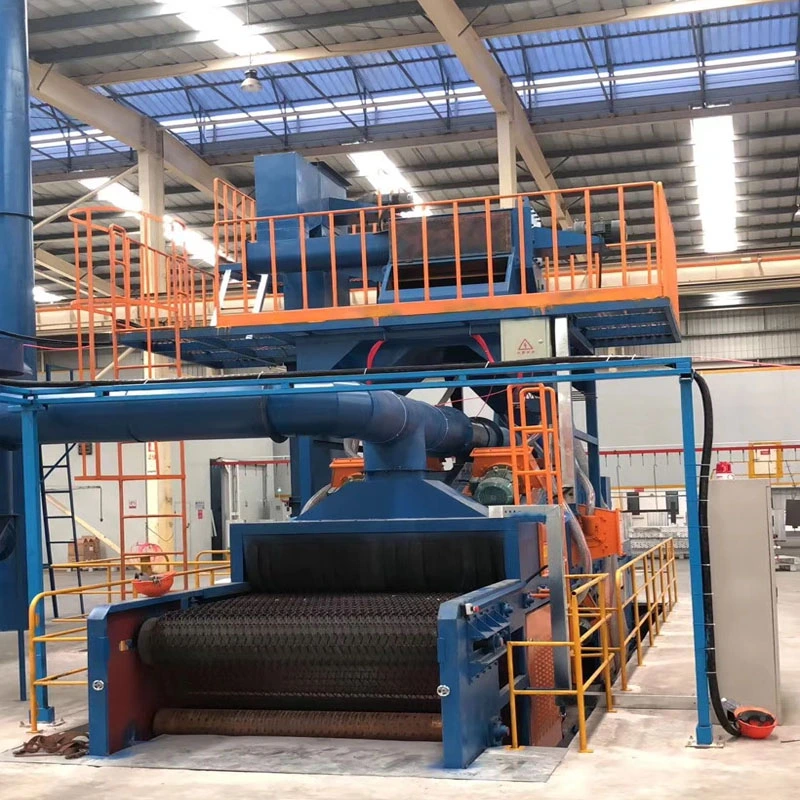
A Tumble Belt Shot Blasting Machine is ideal for small parts because it provides uniform 360° blasting coverage, gentle tumbling action, low part damage risk, and high batch flexibility. For manufacturers handling small, complex, or thin-walled components, this design consistently delivers better surface quality with lower scrap rates than alternative blasting systems.
Below is a professional, industry-focused explanation based on real production environments.
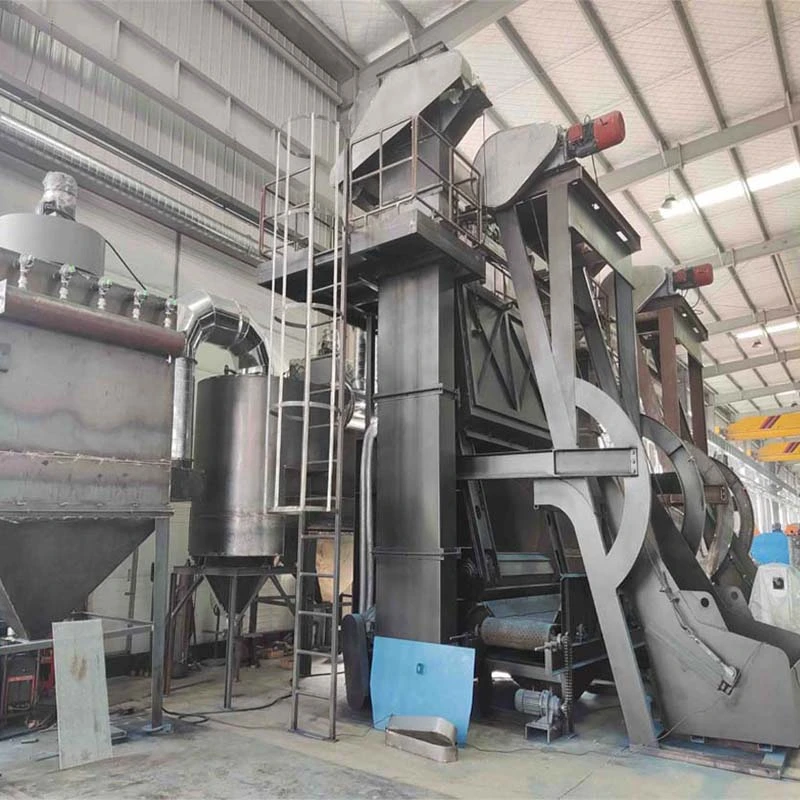
Small parts are vulnerable to:
Edge chipping
Surface dents
Dimensional deformation
A Tumble Belt Shot Blasting Machine uses a continuous rubber or steel belt to move parts in a smooth rolling motion rather than aggressive dropping.
Reduced impact energy between parts
Controlled tumbling speed
Minimal part-to-part collision
This is critical for:
Aluminum and zinc die castings
Precision machined components
Thin steel stampings
Yes — and this is one of its biggest advantages.
Continuous part movement exposes all surfaces
No fixed resting points or stacking zones
Stable blasting angles from multiple blast wheels
Compared with drum-type or vibrating systems, tumble belt machines significantly reduce shadow areas, ensuring consistent surface preparation for painting, coating, or plating.
In many cases, yes.
A Tumble Belt Shot Blasting Machine handles mixed batches better than most alternatives because:
Parts naturally separate during belt movement
Adjustable belt speed adapts to different shapes
Lower collision force reduces damage risk
This flexibility is valuable for:
Job shops
Foundries with multiple part numbers
Manufacturers running short or frequent batch changes
Scrap reduction is one of the strongest ROI drivers.
Key reasons:
Elastic belt absorbs impact
No free-fall tumbling
Stable, repeatable blasting cycles
Field data insight:
Many users report 20–40% lower scrap and rework rates after switching from drum-type machines to a Tumble Belt Shot Blasting Machine.
Yes.
They typically consume less abrasive due to:
Reduced rebound energy
Controlled shot flow
Lower abrasive breakage
This results in:
Lower steel shot replacement cost
Less dust generation
Reduced load on dust collectors
Over time, these savings significantly improve total operating cost.
Absolutely.
Tumble belt machines integrate easily with:
Automatic loaders
Conveyors
Sorting and inspection systems
For manufacturers moving toward semi- or fully automated production, this is a major advantage over drum-type equipment, which is usually batch-operated and less automation-friendly.
A Tumble Belt Shot Blasting Machine is commonly used for:
Fasteners and fittings
Small castings
Gears and brackets
Hardware components
Heat-treated small parts
It excels wherever surface consistency and part integrity are both required.
While highly effective, tumble belt machines are not universal.
They are not ideal for:
Large, heavy parts
Very long or entangled components
Parts with extreme weight variation in one batch
Understanding these limits helps avoid improper machine selection.
Key selection factors:
Maximum part size and weight
Batch volume
Required surface cleanliness
Material type (steel, aluminum, alloy)
Expert advice:
Always size the belt and blasting power based on actual part geometry, not just total batch weight.
From both a technical and commercial standpoint, the Tumble Belt Shot Blasting Machine is one of the most efficient and reliable solutions for small parts surface treatment.
It delivers:
Consistent surface quality
Lower scrap and rework rates
Reduced abrasive consumption
Better automation compatibility
For manufacturers focused on quality, efficiency, and long-term ROI, this machine type remains the industry standard for small-part blasting.