English

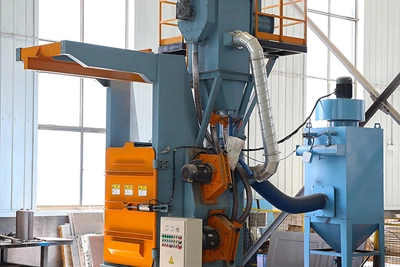
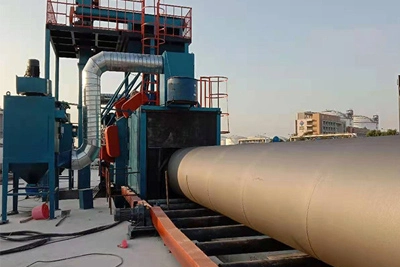
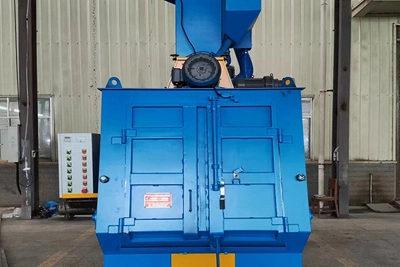
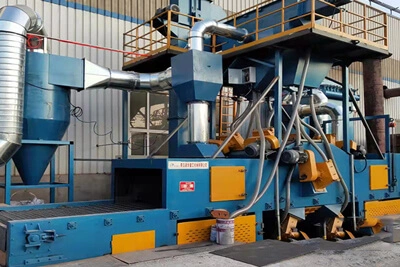
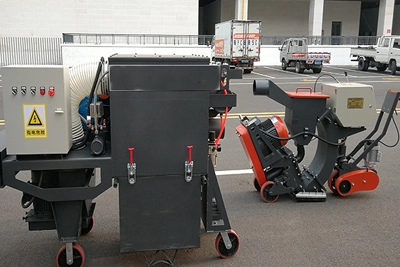

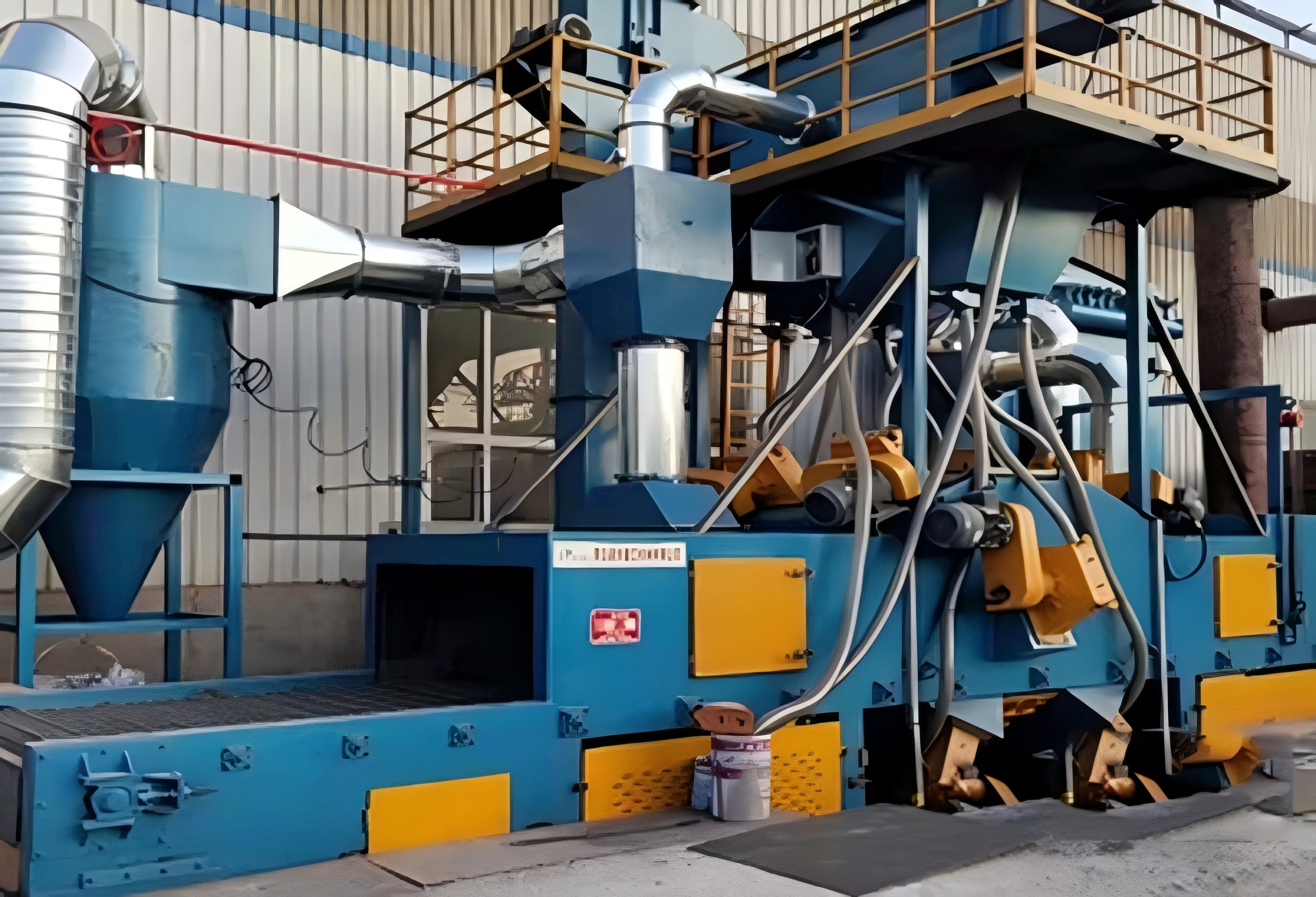
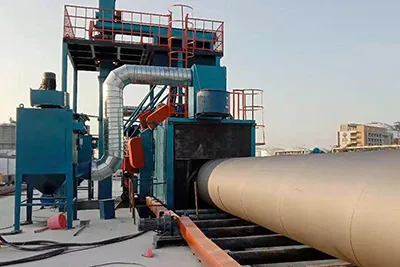
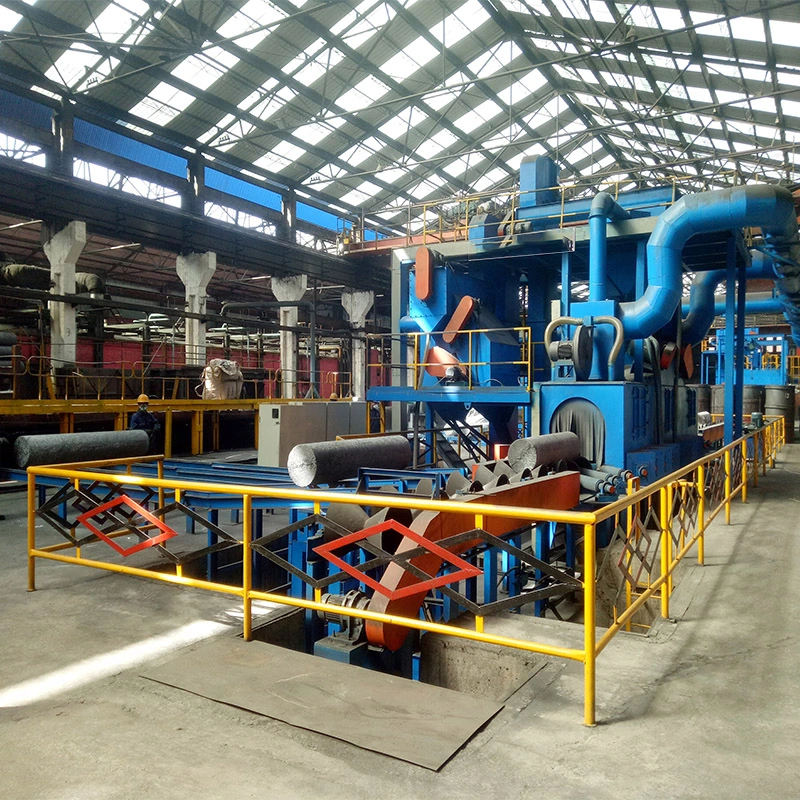
Selecting the right Pipe Shot Blasting Machine starts with matching machine capacity to pipe diameter range, pipe length, and required production throughput. Undersizing limits output and surface quality, while oversizing increases unnecessary investment and operating cost. Capacity selection should be based on how pipes actually move through your production line—not on nominal machine ratings alone.
This guide explains how experienced manufacturers evaluate capacity in real-world pipe blasting projects.
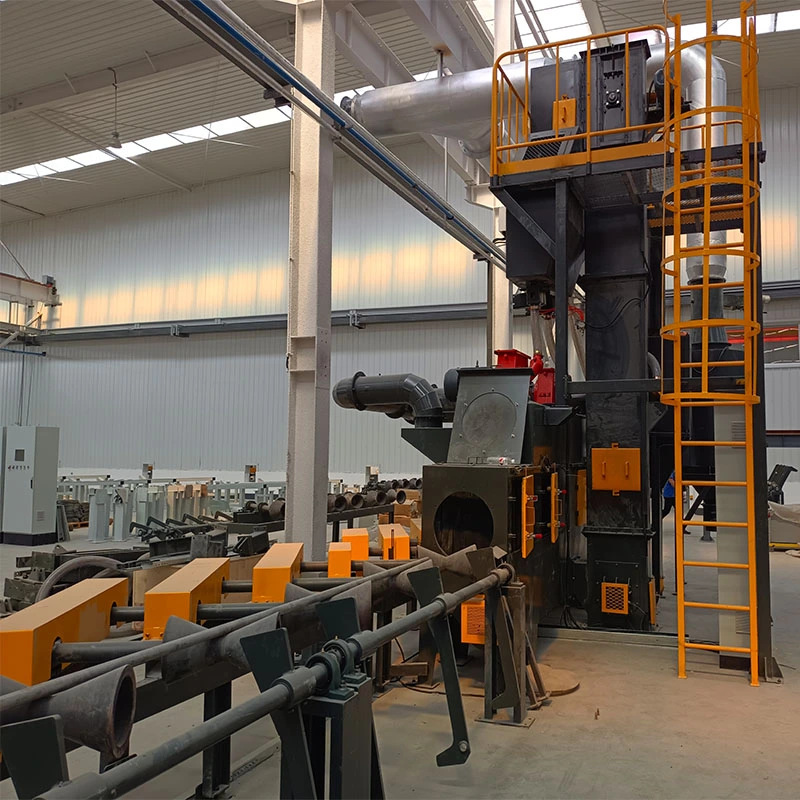
Pipe diameter is the first and most critical parameter because it determines machine structure, blast wheel layout, and rotation system design.
Small diameters (Ø50–Ø200 mm)
Typically processed on compact roller conveyor or V-roller systems. Blast wheels are arranged closer to the pipe surface for efficient coverage.
Medium diameters (Ø219–Ø800 mm)
Require adjustable roller spacing and optimized blast wheel angles to avoid shadow zones.
Large diameters (Ø900 mm and above)
Demand heavy-duty rotation systems, reinforced chambers, and higher blasting power.
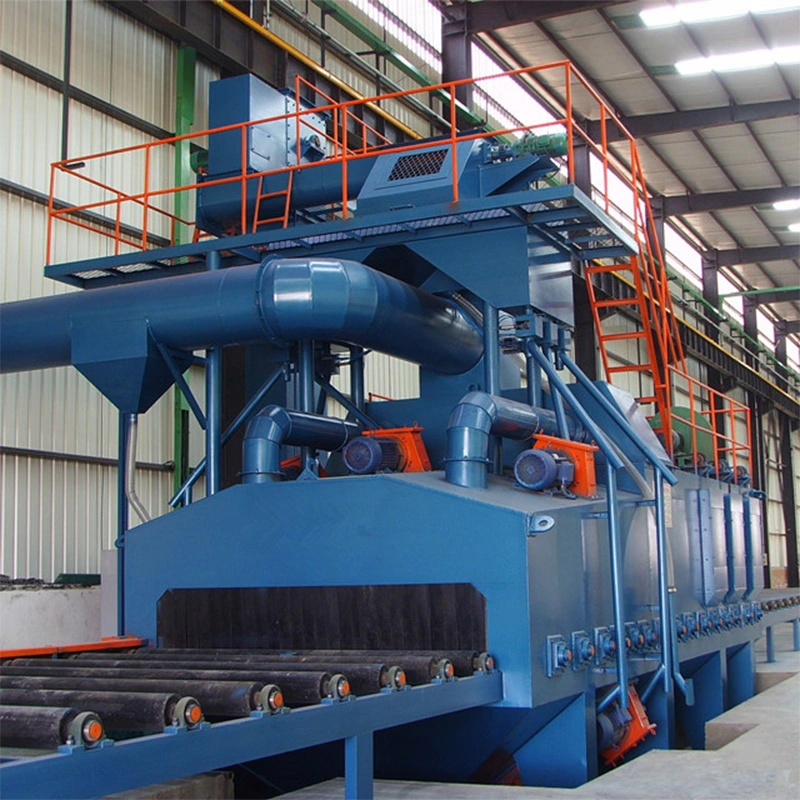
A properly designed Pipe Shot Blasting Machine should allow:
Diameter adjustment without long setup time
Stable pipe rotation without slipping
Uniform blast coverage across the full circumference
Pipe length affects line layout, roller conveyor length, and loading efficiency more than blasting intensity.
Common configurations:
Short pipes (≤6 m)
Easier handling, shorter blast chambers, faster cycle changes
Standard pipes (6–12 m)
Most common in oil, gas, and structural applications
Extra-long pipes (≥18 m)
Require extended conveyors, synchronized rotation control, and reinforced supports
Industry insight:
Machine capacity should be evaluated based on effective blasting zone length, not total machine length. Pipes must remain fully inside the blasting chamber long enough to meet surface cleanliness standards.
Throughput is usually expressed as:
Pipes per hour
Tons per hour
Meters per hour
Pipe diameter and wall thickness
Required surface cleanliness (Sa2, Sa2.5, Sa3)
Number and power of blast wheels
Conveyor speed
Abrasive type and flow rate
A high-capacity Pipe Shot Blasting Machine balances blasting power and conveyor speed so that surface quality is achieved without slowing the line unnecessarily.
Not always.
Blast wheel quantity depends on:
Pipe diameter
Required surface finish
Line speed
Typical setups:
Small to medium pipes: 4–6 blast wheels
Large diameter pipes: 8 or more blast wheels
Poor blast wheel arrangement can cause:
Uneven cleaning
Excessive abrasive consumption
Reduced throughput despite higher power
Proper layout is more important than simply increasing wheel count.
Yes.
External Pipe Shot Blasting Machine capacity focuses on:
Rotation stability
Blast coverage
Conveyor speed
Internal pipe blasting is limited by:
Blasting head travel speed
Pipe straightness
Internal diameter consistency
Plants requiring both processes often use separate internal and external machines to avoid bottlenecks.
| Pipe Diameter Range | Pipe Length | Typical Throughput |
Ø60–219 mm | 6 m | 30–60 pipes/hour |
Ø273–508 mm | 12 m | 15–30 pipes/hour |
Ø610–1016 mm | 12 m | 6–15 pipes/hour |
Ø1200 mm+ | 12–18 m | Project-specific |
Actual throughput depends on surface standard and material condition.
From field projects, the most frequent issues include:
Selecting based on maximum diameter only, ignoring length
Overestimating line speed without verifying surface quality
Ignoring pipe rotation stability
Underestimating abrasive recovery and dust collection capacity
These mistakes often lead to rework, reduced coating adhesion, or premature equipment wear.
To receive an accurate proposal for a Pipe Shot Blasting Machine, buyers should clearly define:
Minimum and maximum pipe diameter
Standard and maximum pipe length
Target throughput per hour or shift
Required surface cleanliness standard
Whether internal blasting is required
Future capacity expansion plans
Clear specifications lead to better machine matching and lower lifecycle cost.
Pipe shot blasting capacity is not a single number—it is the result of diameter range, pipe length, blasting power, and production rhythm working together. A well-matched Pipe Shot Blasting Machine delivers stable throughput, consistent surface quality, and predictable operating cost over years of operation.