English

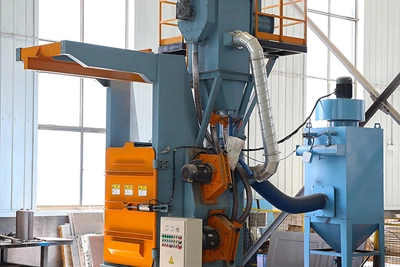
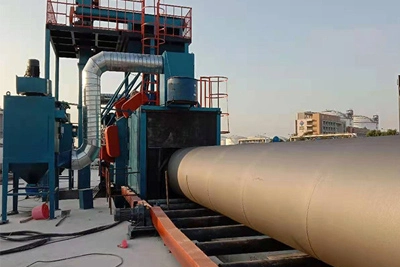
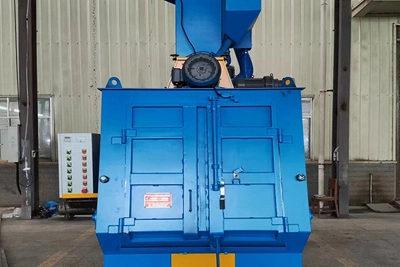
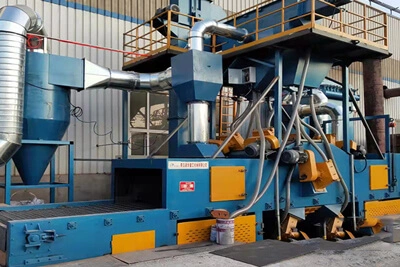
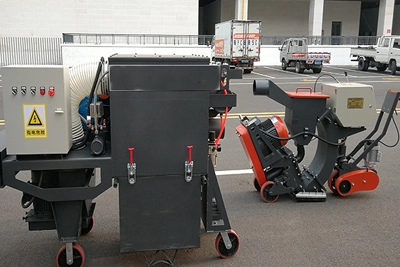

Production rhythm determines the right choice. Single-station Hook Shot Blasting Machines suit low-to-medium volumes with flexible part mixes, while multi-station Hook Shot Blasting Machines are built for continuous, high-throughput operations where loading, blasting, and unloading happen in parallel. The difference shows up in cycle time, labor efficiency, footprint, and ROI—not just machine complexity.
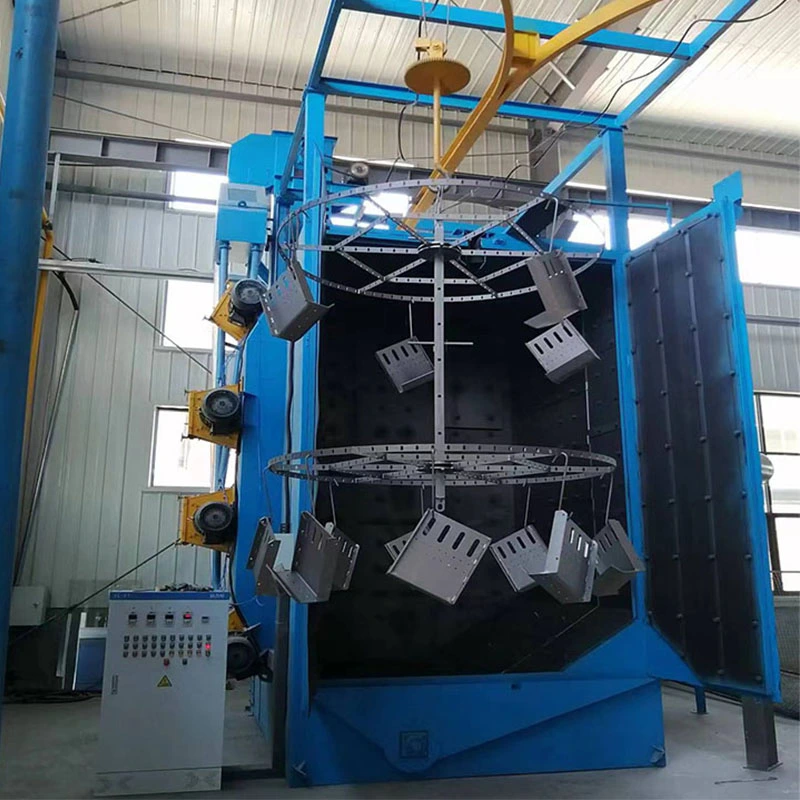
A single-station design uses one blasting chamber and one working position. Parts are loaded, blasted, and unloaded sequentially.
Where it fits best
Job shops with variable batches
Lower daily throughput requirements
Tight budgets or limited floor space
Operational characteristics
One hook rotates inside the chamber
Blasting pauses during loading/unloading
Simple controls and maintenance
This configuration emphasizes flexibility and lower upfront cost over maximum output.
Multi-station systems (often double- or triple-station) separate the workflow into dedicated positions—typically loading, blasting, and unloading—connected by an overhead rail or turntable.
Where it excels
Medium-to-high volume production
Repetitive part families
Time-critical delivery schedules
Operational characteristics
One station blasts while another loads/unloads
Continuous utilization of blast wheels
Higher automation potential
By overlapping tasks, multi-station designs cut idle time dramatically.
Multi-station machines consistently deliver higher throughput because blasting no longer waits for handling.
Single-station: Cycle includes handling time
Multi-station: Handling happens in parallel
In practical terms, multi-station layouts can increase output by 30–60% with the same blasting power, depending on part handling time.
Single-station: Typically one operator handles the full cycle
Multi-station: One operator can manage multiple stations, or the system integrates with cranes/robots
Automation benefits grow with multi-station designs, especially when paired with:
Overhead conveyors
PLC-controlled sequencing
Recipe-based blasting programs
Both configurations can achieve the same surface standards (e.g., Sa2.5) if blasting power and coverage are correctly engineered. Differences arise from process stability:
Single-station: Greater variability due to manual timing
Multi-station: More consistent exposure time and rotation
For coating lines that demand repeatability, multi-station systems reduce variability.
Single-station: Compact, easier to install
Multi-station: Larger footprint due to rails/turntables and multiple positions
However, when measured as output per square meter, multi-station machines often use space more efficiently in production environments.
Continuous utilization in multi-station machines increases duty cycle, which requires:
Robust blast wheel selection
Higher-capacity dust collection
Planned maintenance schedules
Single-station machines experience lower cumulative wear, which can be advantageous for intermittent use.
Single-station
Lower purchase price
Lower operating complexity
Best for variable, lower volumes
Multi-station
Higher initial investment
Lower cost per part at scale
Faster payback in continuous production
The break-even point is usually driven by daily operating hours and handling time per batch.
| Application | Better Choice |
Job shop, mixed parts | Single-Station |
Foundry castings, steady flow | Multi-Station |
Fabrication with crane handling | Multi-Station |
Limited space, low volume | Single-Station |
Coating prep lines | Multi-Station |
Key questions to answer before selecting:
How much time is spent loading/unloading?
Is throughput capped by blasting or handling?
Will production volume increase in 1–3 years?
Is automation planned?
If handling time is significant, a multi-station Hook Shot Blasting Machine typically delivers the strongest operational gains.
Single-station and multi-station designs serve different production strategies. Single-station machines prioritize flexibility and cost control; multi-station systems prioritize continuity and output. The right Hook Shot Blasting Machine aligns with your actual workflow, not just today's volume but tomorrow's expansion.