English

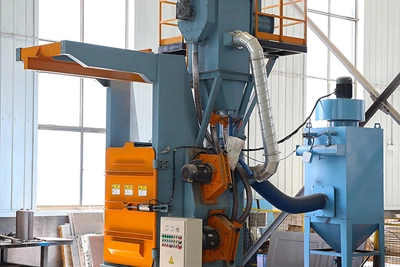
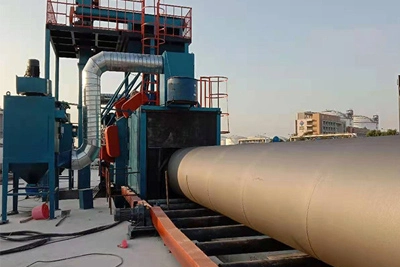
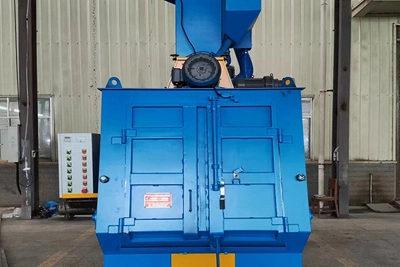
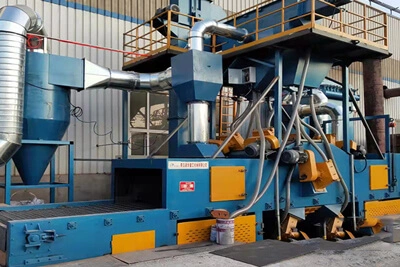
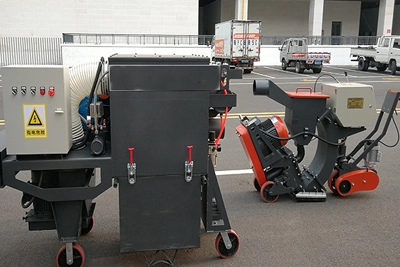

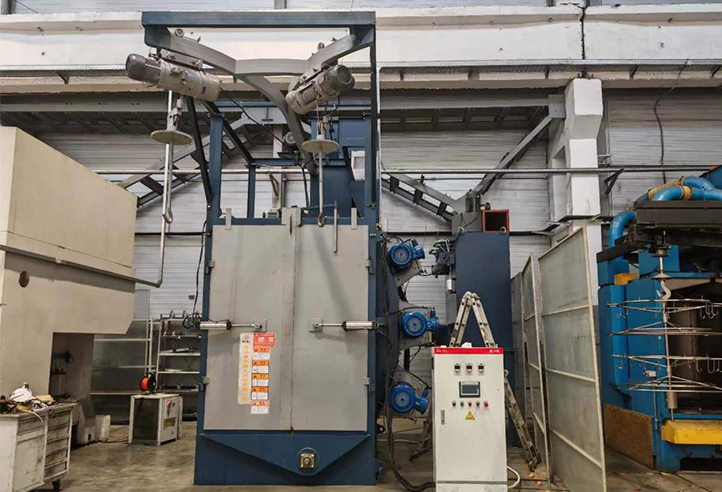
For a Double Hook Shot Blasting Machine, you must stock blast wheel wear parts, liners, abrasive control components, hook system parts, sealing elements, and critical electrical items. These parts directly affect blasting efficiency, downtime, and surface quality. If any of them fail unexpectedly, production stops immediately.
Below is a field-proven spare parts stocking guide based on real operating conditions in foundries, steel fabrication plants, and coating lines.
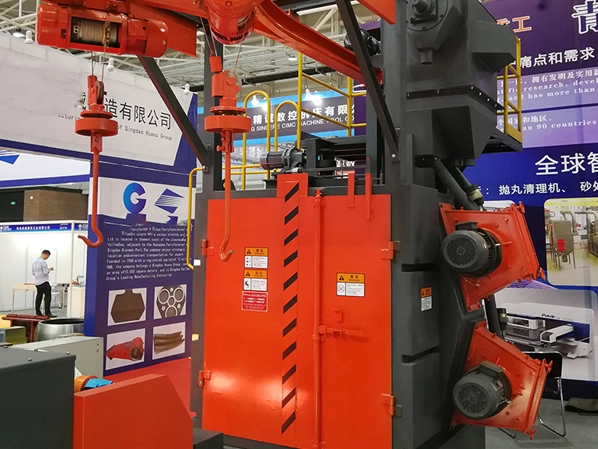
A Double Hook Shot Blasting Machine is designed for high utilization and continuous operation. One hook blasts while the other loads/unloads — meaning:
The machine runs longer hours
Wear occurs faster than in single-hook systems
Unexpected downtime has higher production impact
Industry reality:
Most shutdowns are not caused by major failures, but by small consumable parts not being available on-site.
You should always stock these items in sufficient quantity:
Control cage
Impeller
Blades
Blade bolts and locking sleeves
Why this matters:
These parts directly control:
Shot flow accuracy
Blasting intensity
Surface uniformity
Worn blast wheel components cause:
Uneven cleaning
Excessive shot consumption
Severe vibration
Stocking recommendation:
At least 1 full set per blast wheel on-site for continuous production lines.
It depends on:
Shot hardness
Blasting time per shift
Workpiece geometry
Critical liner parts to stock:
Side wall liners
End wall liners
Ceiling liners
Door protection plates
Expert tip:
For Double Hook Shot Blasting Machines, liner wear is often uneven due to alternating hook positions. Stock extra liners for high-impact zones near blast wheel outlets.
Key items include:
Shot valves
Feed pipes
Y-pipes
Recovery screws (or screw liners)
Elevator belts and buckets
If any of these fail:
Shot supply becomes unstable
Blast wheels run dry or overload
Cleaning quality drops sharply
Recommended practice:
Stock elevator belts and buckets even if they are not worn yet — delivery delays can shut down production for days.
For a Double Hook Shot Blasting Machine, hook reliability is non-negotiable.
Critical spare parts:
Hook rotation motors
Bearings
Chains or wire ropes
Load pins and hangers
Limit switches for hook positioning
Why this is often overlooked:
Buyers focus on blast wheels, but hook system failure means zero productivity, even if blasting components are perfect.
Sealing failure leads to:
Shot leakage
Dust escape
Faster wear of surrounding structures
Important sealing parts:
Door rubber seals
Inspection hatch seals
Hook shaft sealing rings
Shot return chute seals
Stocking advice:
Rubber parts are low-cost but critical — keep multiple sets available.
Common high-risk items:
Filter cartridges
Pulse valves
Solenoid valves
Differential pressure sensors
In Double Hook Shot Blasting Machines, dust collectors often run near continuous duty, increasing failure risk.
Best practice:
Stock at least 10–20% spare filters depending on operating hours.
Minimum recommended stock:
Frequency inverters (for hook rotation or blast wheels)
Proximity switches
Limit switches
Relays and contactors
PLC I/O modules (critical ones)
From a sales & service perspective:
Electrical components are easy to replace but hard to source quickly during emergencies — especially in overseas projects.
These include:
High-strength bolts for liners
Wear-resistant nuts
Shot-resistant washers
Reality check:
Missing a specific bolt can delay liner replacement and stop the entire Double Hook Shot Blasting Machine.
Single shift operation:
Basic wear parts + seals + filters
Two shifts or continuous operation:
Full blast wheel sets + liners + hook system spares
Critical production line:
One complete "emergency spare kit" covering all major subsystems
If you operate a Double Hook Shot Blasting Machine, spare parts stocking is not a cost — it's production insurance.
From real-world project experience:
80% of downtime is preventable
90% of emergency shutdowns are caused by missing consumables
Proper spare planning improves ROI more than buying a cheaper machine