English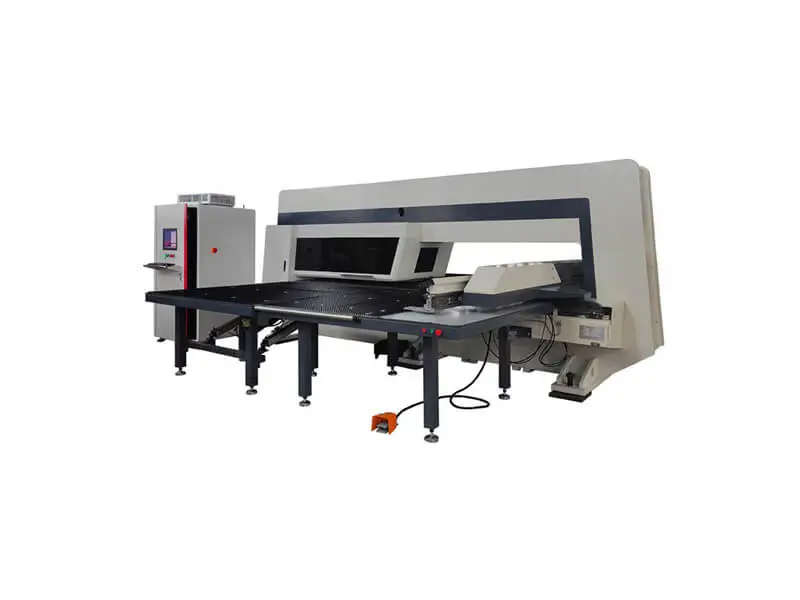

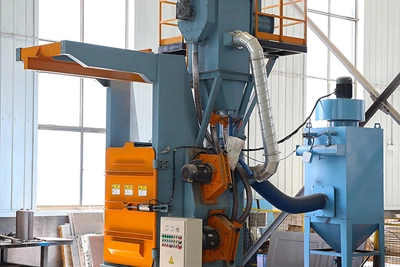
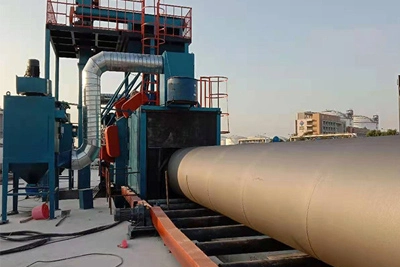
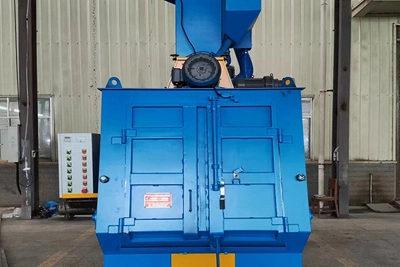
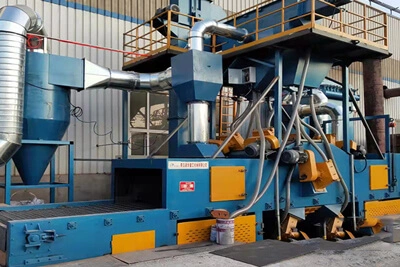
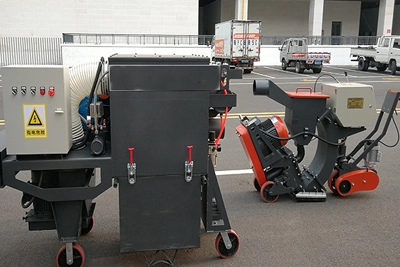

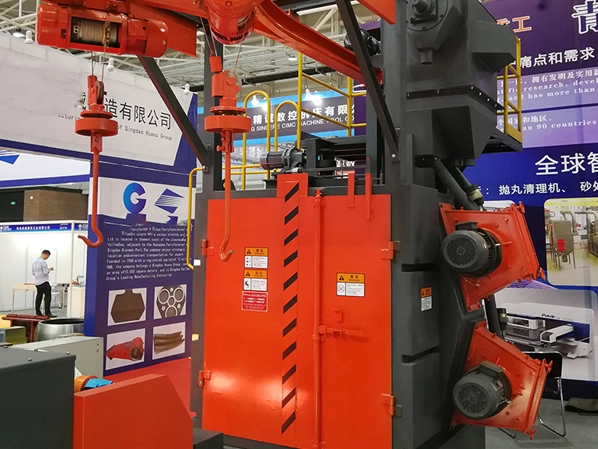
A Hook Shot Blasting Machine delivers the best performance when abrasive media is matched to workpiece material, surface cleanliness requirement, and machine configuration. Steel shot and steel grit are the most common choices, but size, hardness, and shape directly affect cleaning efficiency, surface profile, media consumption, and wear cost. Selecting the wrong abrasive leads to uneven blasting, excessive dust, and shortened equipment life.
The following guide explains how experienced operators and equipment suppliers choose abrasive media in real production environments.
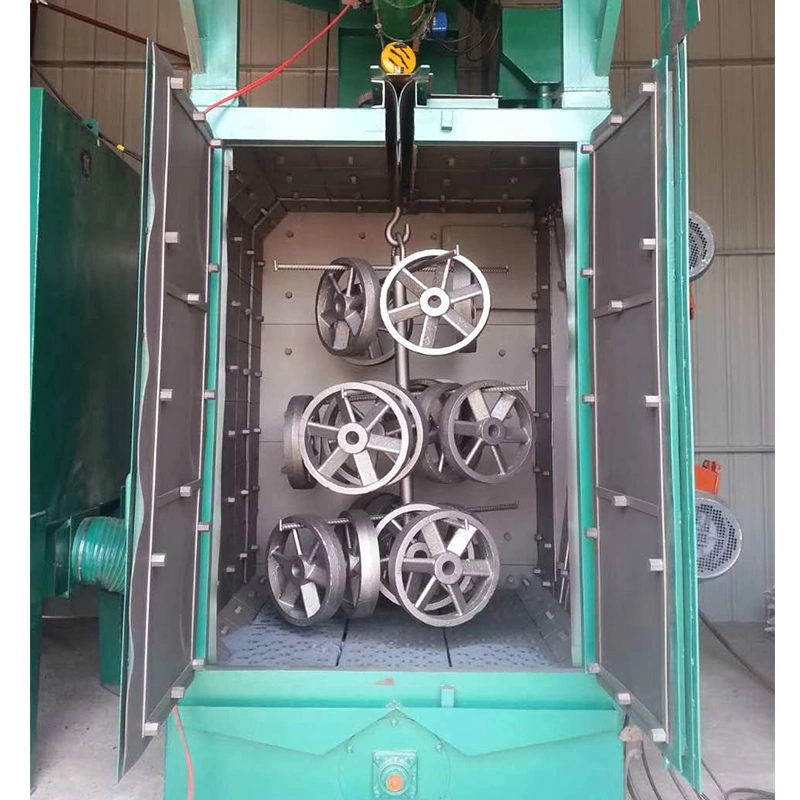
In a Hook Shot Blasting Machine, workpieces are suspended and rotated, exposing all surfaces to high-velocity abrasive impact. Abrasive selection influences:
Cleaning speed
Surface roughness profile
Dust generation
Wear on blast wheels and liners
Media recycling efficiency
Because parts are freely hanging, rebound behavior and impact angle matter more than in conveyor-based machines.
Steel shot has a spherical shape, producing a peening effect.
Best suited for:
Surface strengthening
Removing light rust and scale
Parts requiring smoother surface finish
Advantages:
Long service life
Low dust generation
Uniform impact
Limitations:
Less aggressive on heavy scale
Steel grit is angular, delivering strong cutting action.
Best suited for:
Heavy rust and scale removal
Surface preparation before painting or coating
Forgings and castings
Advantages:
Fast cleaning
Creates anchor profile
Limitations:
Higher wear on machine components
More dust compared to shot
The decision depends on surface requirement:
For smooth finish and fatigue resistance → Steel shot
For coating adhesion and rough profile → Steel grit
For balanced performance → Shot–grit mix
Many Hook Shot Blasting Machines operate with mixed abrasives to combine cleaning speed and surface quality.
Absolutely. Abrasive size affects:
Impact energy
Coverage density
Surface roughness
General guidelines:
Smaller sizes → smoother finish, higher coverage
Larger sizes → aggressive cleaning, deeper profile
In Hook Shot Blasting Machines, overly large abrasive can cause:
Excessive rebound
Part damage on thin sections
Increased wear on liners
Abrasive hardness influences both performance and cost.
Softer media → lower equipment wear, shorter media life
Harder media → longer media life, higher equipment wear
For continuous operation, balancing hardness helps control total cost of ownership, not just media replacement frequency.
High dust levels:
Reduce visibility
Overload dust collectors
Increase media loss
Steel shot produces less dust due to its rounded shape, making it ideal for high-duty Hook Shot Blasting Machines with long operating hours.
Proper air wash separation is essential to maintain consistent abrasive quality.
Different materials respond differently to abrasive impact.
Typical recommendations:
Carbon steel → Steel shot or grit
Cast iron → Steel grit
Aluminum alloys → Smaller steel shot or non-metallic media (if applicable)
Selecting overly aggressive media for soft materials increases deformation risk.
From field experience, frequent errors include:
Using oversized abrasive to "speed up" cleaning
Ignoring separator efficiency
Mixing incompatible media types
Failing to adjust blasting parameters after media change
These mistakes increase operating cost and reduce surface consistency.
To achieve optimal results, users should define:
Workpiece material and thickness
Required surface cleanliness and roughness
Production volume
Expected operating hours
This allows the Hook Shot Blasting Machine to be configured with proper blast wheel power, separator design, and dust collection capacity.
| Application | Recommended Media |
Light rust removal | Steel shot |
Heavy scale removal | Steel grit |
Painting preparation | Steel grit |
Surface strengthening | Steel shot |
Mixed applications | Shot + grit |
A Hook Shot Blasting Machine performs at its best when abrasive media is selected with surface requirement, machine design, and operating cost in mind. Steel shot, steel grit, or their combination should be chosen based on what the surface must achieve, not just cleaning speed.
Well-matched abrasive media improves cleaning efficiency, reduces downtime, and extends equipment life—key factors in maintaining stable production and predictable costs.