English

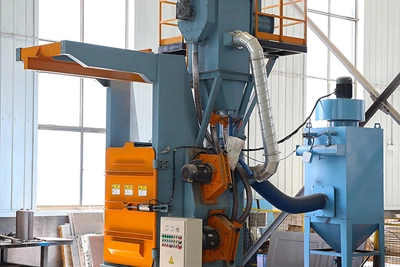
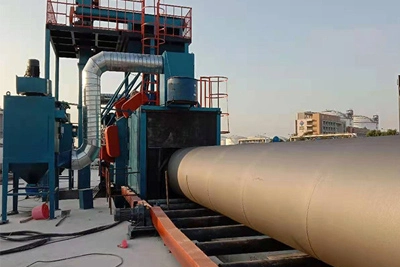
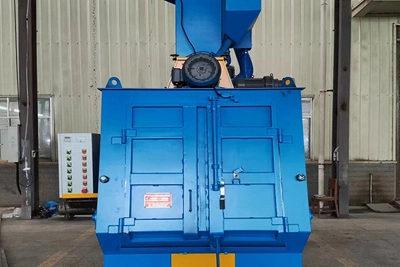
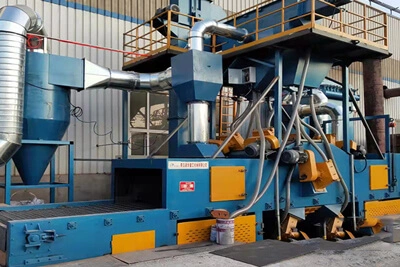
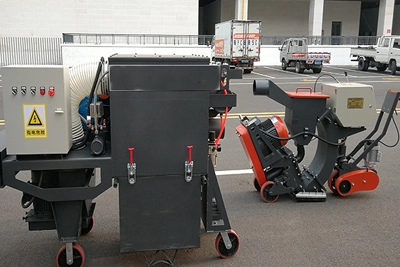

A portable Sand Blasting Booth is better for temporary, on-site, or low-frequency blasting, while a fixed Sand Blasting Booth is the right choice for long-term production, stable surface quality, and regulatory compliance. The better option depends on how often you blast, the size of your workpieces, and how critical process control is to your operation.
Below is a practical, industry-level comparison to help buyers make the right decision before investing.
Portable Sand Blasting Booth
A movable or modular enclosure, often containerized or tent-type, designed for flexibility and short-term use.
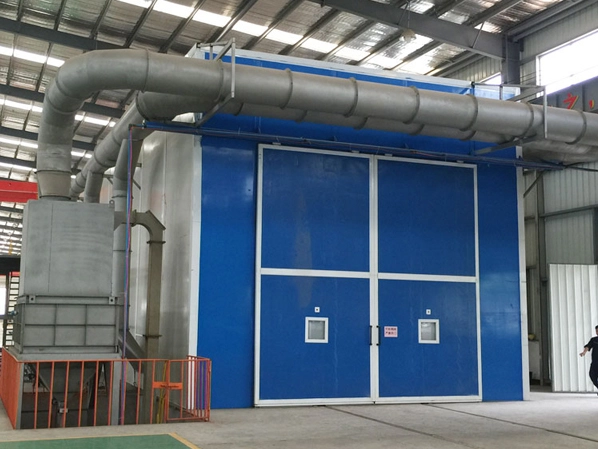
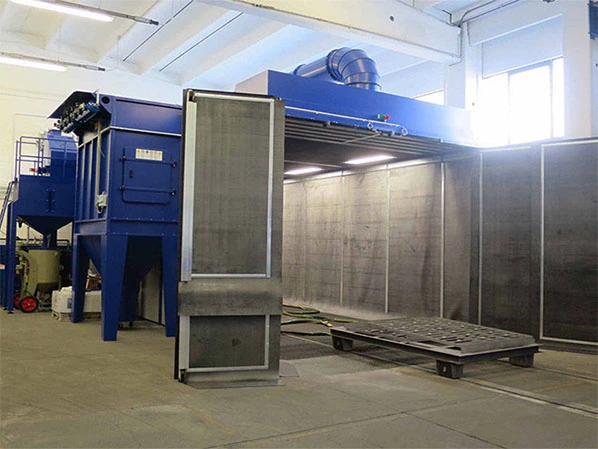
Fixed Sand Blasting Booth
A permanently installed system integrated with abrasive recovery, dust collection, lighting, and ventilation for continuous operation.
Expert view:
The decision is not about mobility alone — it's about process stability vs flexibility of the Sand Blasting Booth for sale.
Large or immovable workpieces
On-site blasting (shipyards, bridges, tanks)
Short-term projects
Limited factory space or leased facilities
Fast deployment
Lower initial investment
Easy relocation
Minimal civil foundation requirements
Lower dust control efficiency
Limited abrasive recycling
Reduced airflow stability
Shorter service life
Industry warning:
Portable booths are often pushed beyond their design limits in production environments — leading to high consumable cost and safety issues.
Daily or multi-shift blasting
Medium to high production volume
Consistent surface quality requirements
Long-term facility planning
Superior dust control
Efficient abrasive recovery (80–95%)
Stable blasting parameters
Better working environment
Easier compliance with safety regulations
Higher upfront cost
Requires dedicated installation space
Less flexibility once installed
Buyer insight:
For factories planning to operate over 3–5 years, fixed Sand Blasting Booths almost always deliver lower total cost of ownership.
A fixed Sand Blasting Booth provides more consistent and repeatable surface quality.
Why?
Controlled airflow
Stable abrasive feed
Proper lighting
Reduced rebound interference
Portable booths are more affected by:
External airflow
Uneven ventilation
Dust accumulation
For coating, painting, or anti-corrosion preparation, surface consistency matters — and fixed booths outperform portable ones.
Fixed Sand Blasting Booths.
They typically include:
High-capacity dust collectors
Cartridge or bag filters
Automatic pulse cleaning
Enclosed abrasive circulation
Portable booths often rely on:
Smaller dust collectors
Partial enclosure
Manual cleanup
Real-world consequence:
Many companies start with portable booths and later upgrade to fixed systems after failing environmental inspections.
Key takeaway:
Portable booths appear cheaper upfront but cost more over time.
| Cost Factor | Portable Booth | Fixed Booth |
Abrasive reuse | Low | High |
Labor cleanup | High | Low |
Dust disposal | Frequent | Controlled |
Maintenance | Short-term | Predictable |
Fixed Sand Blasting Booths significantly reduce abrasive waste through efficient recovery systems.
Not always.
Fixed booths use space efficiently and vertically
Portable booths often require additional buffer zones due to dust spread
Installation considerations for fixed booths:
Power supply
Compressed air
Abrasive recovery system
Dust extraction ducting
Fixed Sand Blasting Booths provide a safer working environment due to:
Better ventilation
Stable visibility
Enclosed noise control
Proper integration of PPE systems
Portable booths require stricter operator discipline because:
Conditions change frequently
Visibility degrades faster
Noise and dust are harder to control
Partially, but with limitations.
You can add:
Better dust collectors
Improved lighting
Partial abrasive recovery
However, they will never fully match the performance of a well-designed fixed Sand Blasting Booth.
From an industry and ROI standpoint:
Choose a portable Sand Blasting Booth if:
You need mobility
Projects are temporary
Blasting frequency is low
Choose a fixed Sand Blasting Booth if:
Blasting is part of daily production
Surface quality consistency matters
Environmental and safety compliance is a priority
You want lower long-term operating costs