English

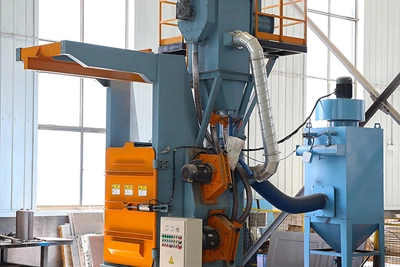
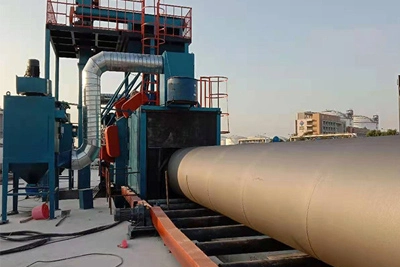
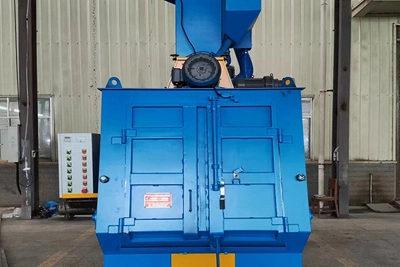
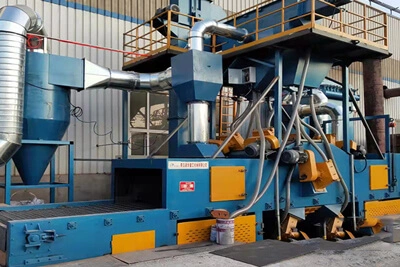

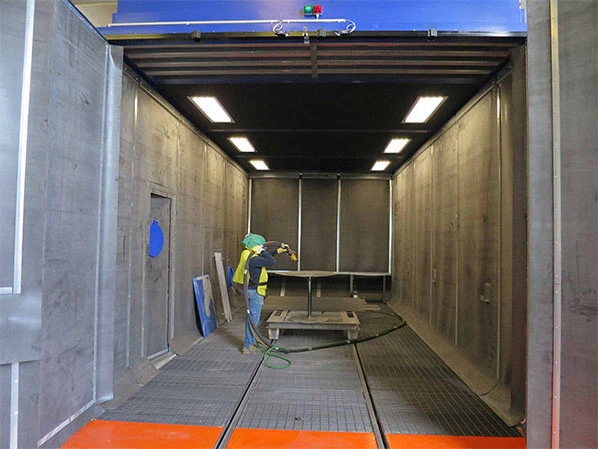
Operators working inside a Sand Blasting Booth must comply with industrial blasting safety standards and wear full-body PPE, including an air-supplied blasting helmet, respiratory protection, protective clothing, gloves, and safety footwear. Without proper standards and PPE, sand blasting presents serious risks such as silica exposure, rebound injury, and long-term respiratory damage.
This article focuses on practical, industry-level safety requirements used in professional sand blasting booth operations — not basic safety slogans.
The most critical hazards include:
Respirable dust (especially crystalline silica)
High-velocity abrasive rebound
Poor visibility and operator fatigue
Noise exposure
Equipment-related mechanical hazards
A properly designed Sand Blasting Booth for sale reduces these risks, but engineering controls alone are not enough — PPE and operational standards are mandatory.
While exact regulations vary by country, most industrial sand blasting booths follow principles aligned with:
Occupational health and safety regulations (dust exposure limits)
Ventilation and air quality standards
Machinery safety standards for enclosed blasting systems
Electrical safety requirements for high-dust environments
Industry practice:
Reputable manufacturers design Sand Blasting Booth systems to meet or exceed local occupational safety and environmental regulations, particularly regarding dust extraction and airflow management.
Yes. An air-fed blasting helmet is mandatory in professional sand blasting operations.
Continuous supply of clean breathing air
Impact-resistant visor
Replaceable lens protection
Integrated cape or shoulder protection
Why this matters:
Standard dust masks or cartridge respirators are not sufficient in a Sand Blasting Booth due to fine particulate concentration and oxygen displacement risks.
No. Cartridge or half-mask respirators are unsuitable for blasting environments.
Minimum respiratory requirements:
Air-supplied helmet or hood
Oil- and moisture-free compressed air source
Dedicated breathing air filtration unit
Expert note:
Breathing air quality must be monitored regularly. Contaminated air lines pose serious health risks.
Operators must use abrasive-resistant protective clothing, including:
Heavy-duty blasting suit (leather or reinforced fabric)
Gauntlet-style gloves
Steel-toe safety boots with metatarsal protection
Neck and shoulder protection integrated with the helmet
Key consideration:
Loose clothing is dangerous — it can trap abrasive or interfere with movement.
Even with a blasting helmet, additional protection is required:
Multi-layer tear-off or replaceable visor lenses
Regular inspection for scratches and clouding
Why this is critical:
Reduced visibility increases the risk of:
Missed surface areas
Improper nozzle distance
Accidental rebound injury
Yes. Noise levels often exceed safe exposure limits.
Recommended measures:
Built-in helmet noise attenuation
Earplugs or earmuffs if required by local standards
Long-term exposure without protection can lead to permanent hearing loss.
A well-designed Sand Blasting Booth should include:
High-efficiency dust collection system
Adequate airflow to maintain visibility
Emergency stop switches inside and outside the booth
Proper lighting with dust-proof fixtures
Interlocked doors to prevent accidental blasting
Buyer insight:
PPE effectiveness depends heavily on booth design quality. Poor airflow or lighting undermines even the best PPE.
No. PPE must be combined with:
Formal operator training
Clear blasting procedures
Regular safety inspections
Maintenance of PPE and booth systems
Operators should be trained on:
Correct blasting angles
Safe nozzle handling
Emergency response procedures
From field experience, the most frequent issues include:
Using worn or damaged helmets
Inadequate breathing air filtration
Overloaded dust collectors
Poor housekeeping inside the booth
Skipping PPE during "short jobs"
Reality check:
Most accidents happen during routine operations, not major failures.
For any professional Sand Blasting Booth operation:
Treat PPE as mandatory equipment, not optional accessories
Use air-supplied helmets only — no compromises
Maintain booth airflow and dust collection systems rigorously
Replace worn PPE before it becomes a safety hazard
Train operators regularly, not just once
Proper safety standards protect:
Operator health
Production continuity
Company compliance and reputation