English

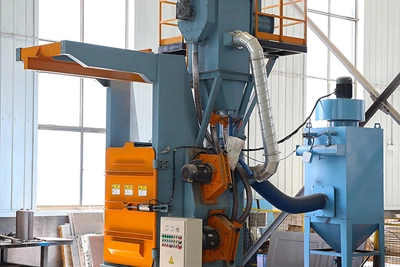
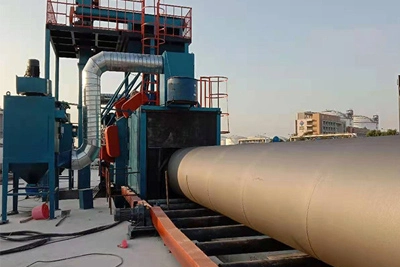
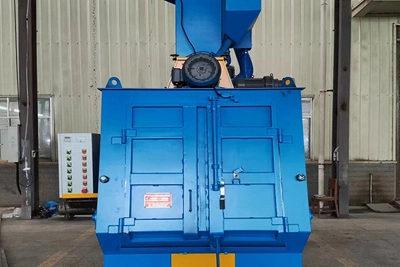
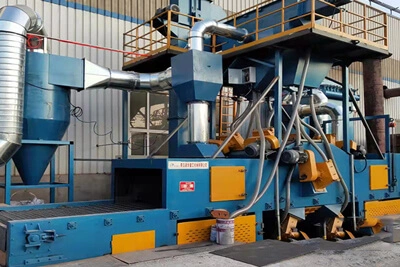
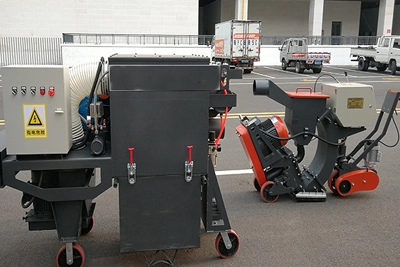

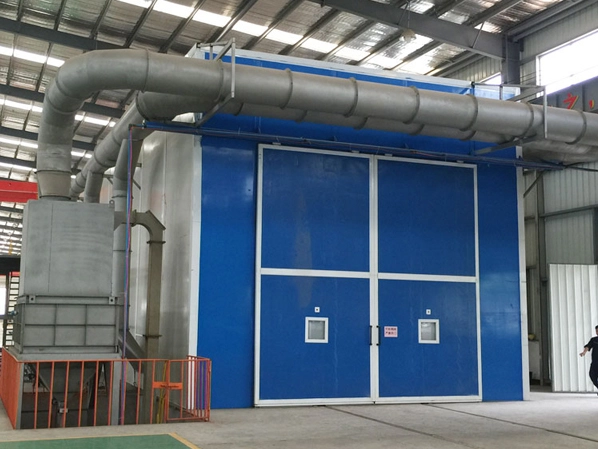
Inside a Sand Blasting Room, the blasting process follows a structured, repeatable workflow designed to ensure surface quality, operator safety, abrasive efficiency, and environmental compliance. From workpiece preparation to final inspection, each step directly affects coating performance, operating cost, and production efficiency.
Below is a practical, industry-level walkthrough of how sand blasting is carried out in a professional sand blasting room.
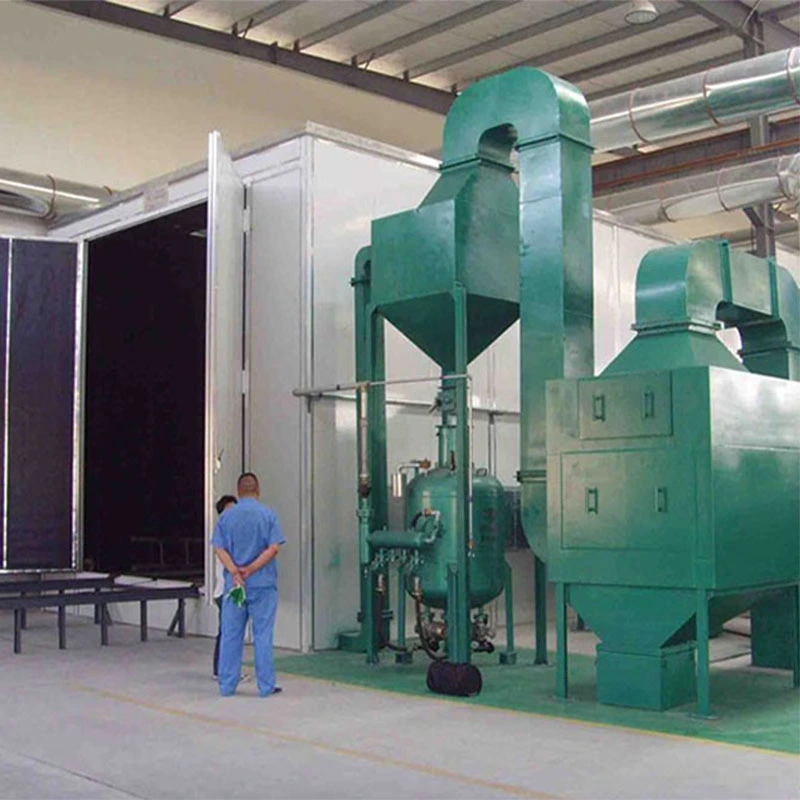
Before blasting begins, proper preparation is essential to avoid rework and uneven results.
Key actions include:
Removing oil, grease, or heavy contaminants
Checking weld quality and sharp edges
Verifying lifting points and part stability
Confirming material type and surface standard requirements (e.g. Sa2.5)
For large components, parts are typically transferred into the Sand Blasting Room using an overhead crane or rail system to ensure safe positioning.
Correct positioning inside the room ensures full surface access and consistent blasting.
Best practices:
Place parts to minimize shadow areas
Ensure sufficient clearance from walls and lighting
Secure parts to prevent movement during blasting
In heavy-duty sand blasting rooms, rotating tables or adjustable supports may be used to improve coverage efficiency.
Before blasting starts, operators must complete a series of safety confirmations.
These include:
Wearing full PPE (air-fed helmet, blasting suit, gloves, safety boots)
Verifying breathing air supply quality
Checking emergency stop switches
Confirming dust collector operation
A properly designed China Sand Blasting Room will not allow blasting to begin unless ventilation and dust extraction systems are running.
The choice depends on surface requirement and material type:
Steel shot or grit for heavy-duty cleaning
Garnet for coating preparation
Aluminum oxide for aggressive cleaning
Operators set:
Blasting pressure
Abrasive flow rate
Nozzle size and angle
Correct setup ensures effective cleaning without excessive abrasive consumption.
During blasting, operators follow controlled movement patterns to ensure uniform surface treatment.
Key techniques:
Maintain consistent nozzle distance
Use overlapping passes
Avoid prolonged blasting in one area
Adjust angle to reach corners and welds
The airflow design of the Sand Blasting Room keeps dust away from the operator’s line of sight, maintaining visibility throughout the process.
Abrasive falls to the floor and is collected through:
Screw conveyors
Scraper floors
Pneumatic recovery systems
The recovered abrasive passes through:
Separation units to remove dust and debris
Storage hoppers for reuse
Efficient recovery significantly reduces operating costs and keeps the blasting environment clean.
Dust generated during blasting is continuously extracted.
A typical Sand Blasting Room uses:
High-capacity dust collectors
Cartridge or bag filters
Automatic pulse cleaning systems
This step is critical for:
Operator visibility
Environmental compliance
Protecting downstream equipment
After blasting:
The operator visually inspects surface uniformity
Surface cleanliness is checked against required standards
Residual dust is removed with clean air
If coating follows immediately, proper inspection avoids adhesion failure later.
Once approved, the workpiece is:
Lifted out using crane systems
Transferred to coating or assembly areas
The Sand Blasting Room floor is automatically or manually cleaned, ensuring the next job starts in a controlled environment.
Based on field experience, frequent issues include:
Incorrect abrasive selection
Inadequate airflow adjustment
Poor part positioning
Skipping separator maintenance
These mistakes reduce blasting efficiency and increase operating cost.
A Sand Blasting Room is not just a space — it is a complete surface preparation system. When each step is executed correctly, it delivers:
Consistent surface quality
Lower abrasive consumption
Improved operator safety
Reliable downstream coating performance
For manufacturers handling large or heavy components, a well-designed sand blasting room and disciplined operating process are essential to long-term productivity.