English

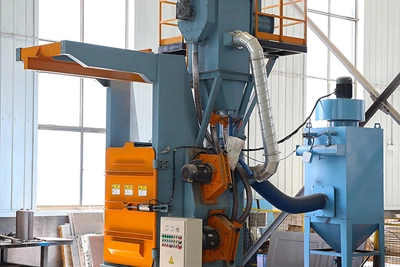
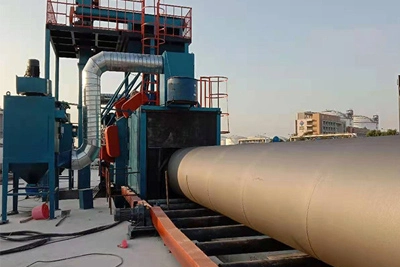
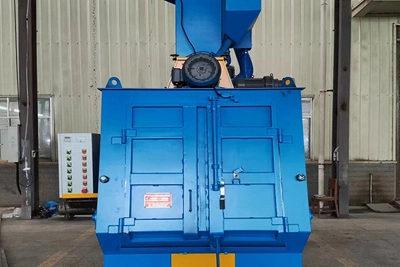
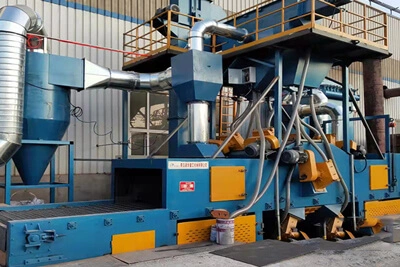
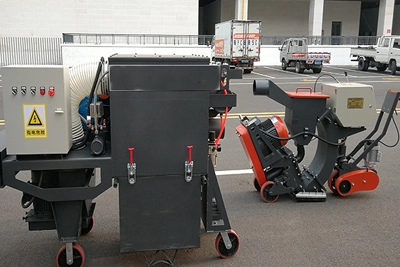

For most manufacturers processing medium-to-high volumes of small and medium-sized parts, a temble belt shot blasting machine offers better surface consistency, gentler part handling, and easier integration into continuous production than a rotary barrel blaster. Rotary barrel machines remain suitable for simple, highly robust castings, but their limitations become more evident as quality and automation requirements increase.
At a functional level, both machines clean and descale bulk parts through tumbling action. The key difference lies in how the parts move and how blasting energy is applied.
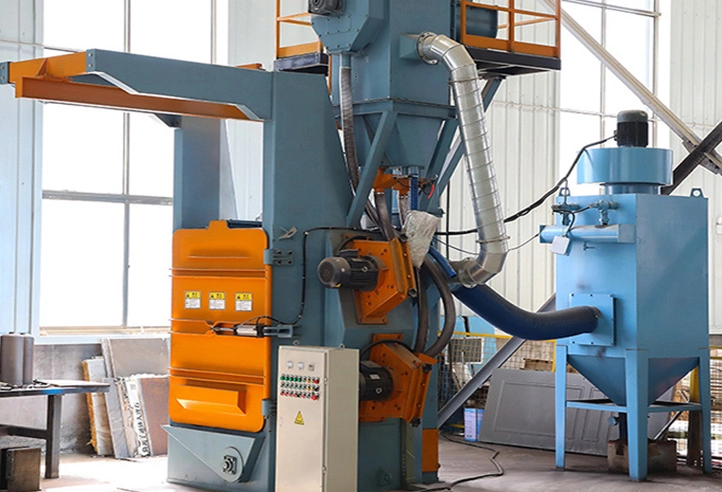
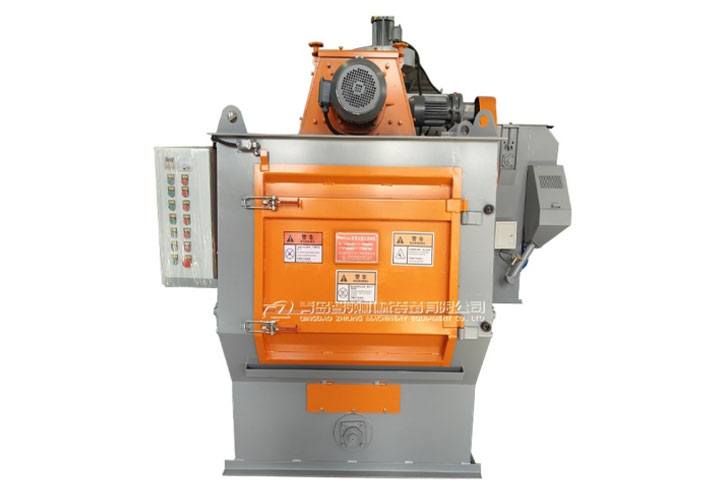
A temble belt shot blasting machine uses a continuous, wear-resistant rubber or steel belt to lift and cascade parts through the blast stream in a controlled manner. This movement exposes all surfaces evenly while minimizing uncontrolled collisions. Rotary barrel blasters rely on a rotating drum, where parts fall freely and collide more aggressively, often leading to uneven exposure and higher impact forces.
From an operational perspective, this difference directly affects surface uniformity, part damage rates, and process stability.
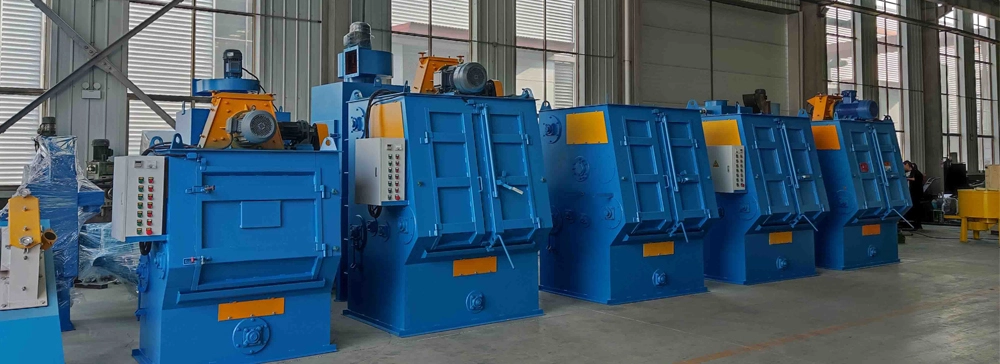
A temble belt shot blasting machine delivers more uniform blasting coverage because the belt design ensures consistent part turnover and controlled dwell time within the blast zone. Shot flow and impeller angles can be optimized to match part geometry, producing repeatable results across batches.
Rotary barrel blasters, while effective for heavy castings, often produce less consistent finishes on mixed or complex parts. Parts tend to shield one another inside the barrel, resulting in uneven cleaning—particularly on internal edges or recesses.
The tumbling action in a temble belt shot blasting machine is progressive and cushioned, reducing metal-to-metal impact. This makes it well suited for precision components, heat-treated parts, or items with machined surfaces that must not be dented or deformed.
Rotary barrel blasters generate higher impact forces due to free-fall motion inside the drum. While acceptable for thick, rugged parts, this can cause chipping, edge rounding, or dimensional deviation in lighter or more delicate components.
From a business standpoint, productivity matters as much as cleaning performance.
A temble belt shot blasting machine is typically designed for semi-continuous or fully automatic operation. Loading and unloading can be synchronized with upstream and downstream processes, reducing idle time and labor requirements. This makes it easier to scale production without proportionally increasing manpower.
Rotary barrel blasters usually operate in batch mode. Each cycle requires loading, blasting, unloading, and inspection, which limits throughput and introduces variability between batches. For low-volume operations this may be acceptable, but it becomes inefficient in high-output environments.
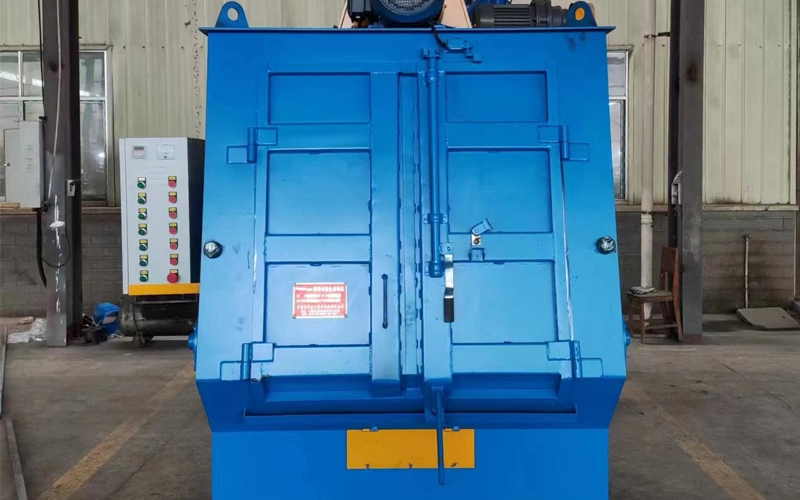
Tumble belt systems are engineered with replaceable wear liners, robust belts, and optimized shot circulation paths, allowing predictable maintenance schedules and lower unplanned downtime. Their open structure also makes inspection and servicing more straightforward.
Rotary barrel blasters experience concentrated wear inside the drum, especially at impact zones. Replacing or repairing barrels can be time-consuming and costly, particularly when abrasive wear accelerates due to part collisions.
The decision depends largely on part characteristics and production goals:
If your business processes small to medium-sized parts, requires consistent surface quality, and aims for higher automation, a temble belt shot blasting machine is generally the better long-term investment.
If your production involves heavy, simple castings with low cosmetic requirements and limited throughput needs, a rotary barrel blaster can still be a viable option.
At Zhiling, extensive application experience shows that properly selected tumble belt systems help manufacturers reduce rework, protect part integrity, and maintain stable production rhythms. Choosing the right blasting machine is not just about cleaning parts—it is about aligning equipment capability with your business strategy.