English

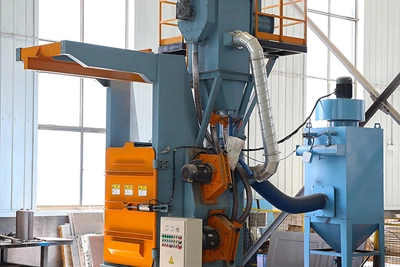
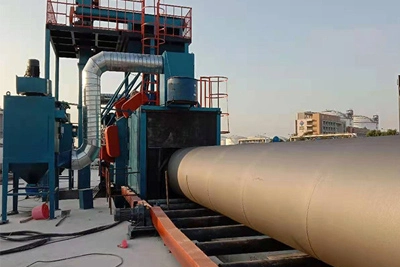
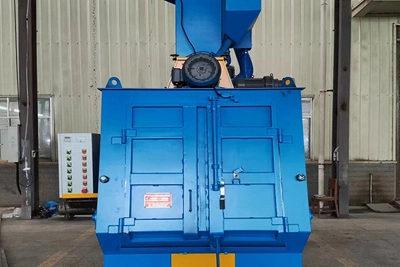
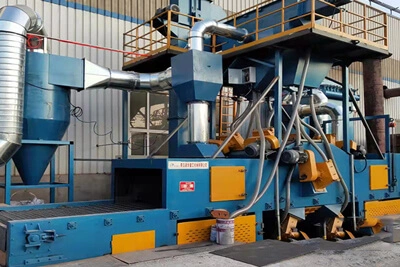
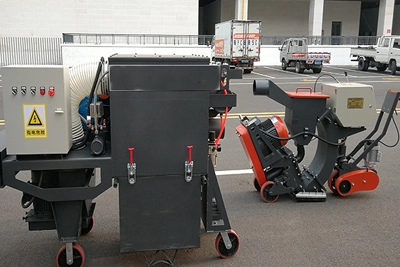

In the field of surface treatment, a type of workpiece presents a challenge for many users: thin-walled castings, precision stampings, spring plates, brake pads, and electronic component housings. These workpieces are characterized by their susceptibility to impact and deformation. Traditional crawler-type shot blasting machines, with their tumbling action, can easily cause damage, while hook-type shot blasting machines are not efficient enough. To address this need, the mesh belt shot blasting machine offers a solution that balances efficiency and workpiece protection. This article, compiled by the technical team of Zhiling Company based on years of industry experience, introduces the working principle, applicable workpieces, and selection points of the mesh belt shot blasting machine.
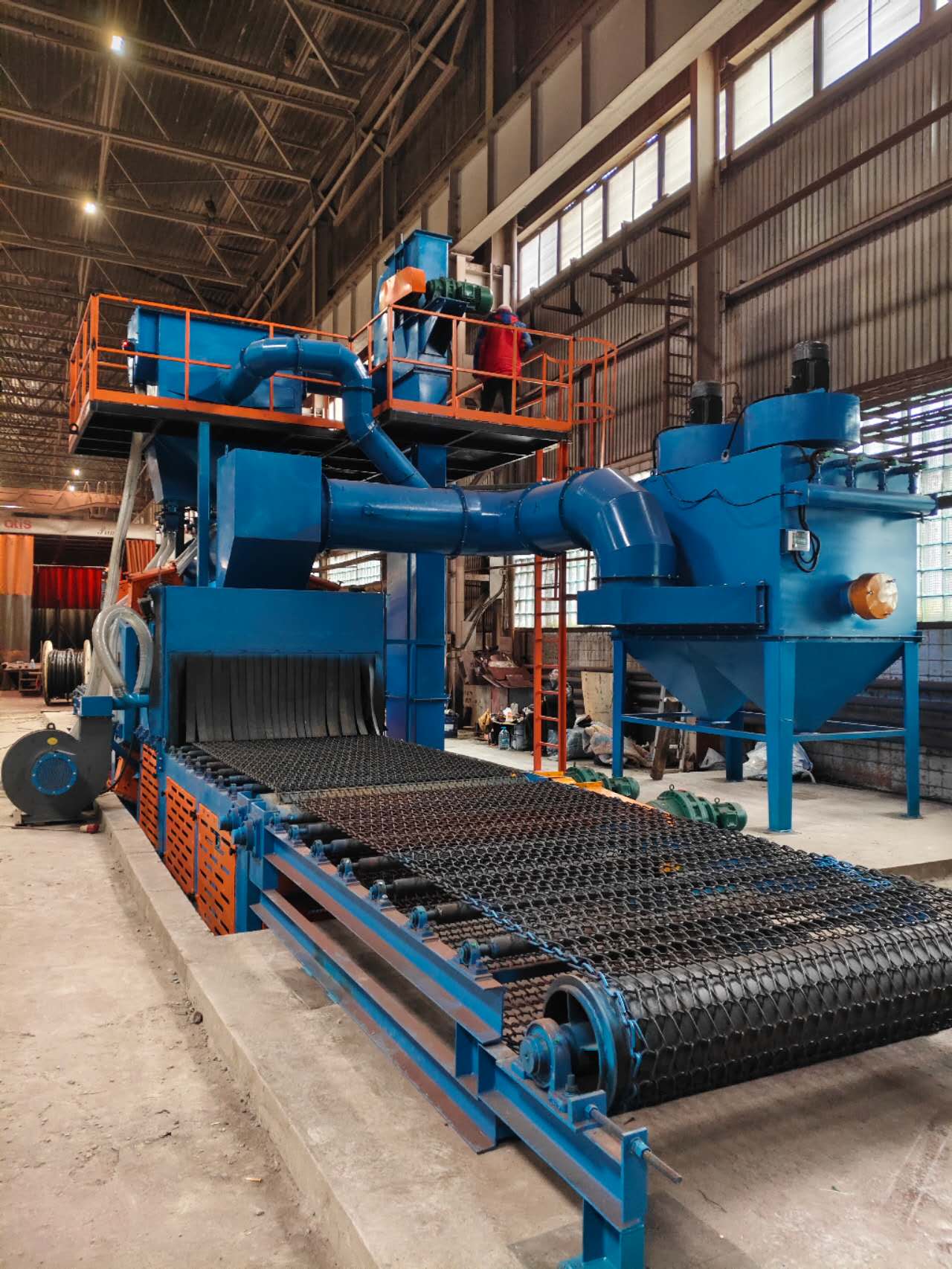
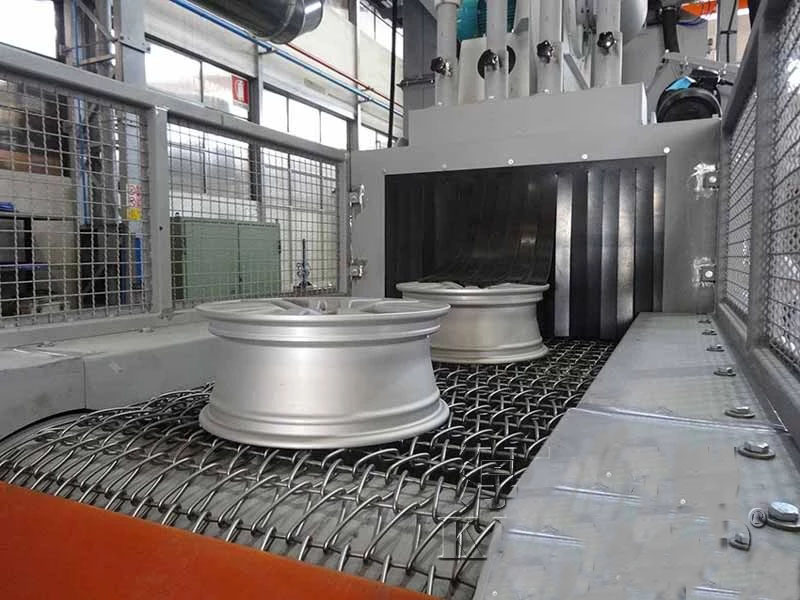
The mesh belt shot blasting machine adopts a continuous pass-through operation. The workpiece is laid flat on a metal mesh belt and carried by the mesh belt conveyor system, passing through the shot blasting chamber at a set speed. Shot blasters arranged above and to the sides of the chamber propel shot at high speed onto the workpiece surface. Because the workpiece remains flat on the mesh belt, there is no tumbling or collision, making the cleaning process relatively gentle. After cleaning, the workpiece is discharged from the outlet and can directly proceed to the next process.
This continuous flow design allows the equipment to be directly connected to upstream and downstream processes (such as cleaning, drying, and spraying) to form an automated production line. In standalone operation, manual loading followed by automatic cleaning by the equipment simplifies operation.
The mesh belt shot blasting machine is mainly suitable for the following types of workpieces:
Thin-walled castings
Including thin-walled cast iron parts, thin-walled aluminum alloy castings, precision castings, etc. These workpieces have thin walls, and traditional tumbling cleaning can easily lead to deformation or cracking. The mesh belt shot blasting machine provides flat conveying of the workpieces, eliminating severe impact and effectively preventing damage.
Stamped parts
Including precision stamped parts, electrical contacts, springs, metal washers, etc. Stamped parts often have burrs on their edges; shot blasting can simultaneously deburr and clean the surface.
Springs and elastic elements
Including spring sheets, retaining rings, wave springs, etc. Elastic components are highly sensitive to surface defects. Shot blasting removes oxide scale and creates compressive stress on the surface, helping to improve fatigue life.
Automotive Parts
These include brake pads, clutch plates, synchronizer rings, etc. These workpieces require uniform surface roughness to ensure adhesion for subsequent coatings or bonding.
Electronic Component Housings
These include heat sinks, shielding covers, connector housings, etc. Electronic components have high dimensional accuracy requirements; the smooth conveying method of a mesh belt shot blasting machine prevents deformation.
Construction Aluminum Formwork
After use, concrete residue adheres to the surface of aluminum formwork. A mesh belt shot blasting machine can clean it in batches, restoring surface flatness.
No Collision, Less Deformation
Workpieces are conveyed flat on the mesh belt, without contact with each other, eliminating tumbling and impact. This feature is particularly important for thin-walled parts and precision workpieces.
Continuous Operation, High Efficiency
The mesh belt conveyor speed is adjustable. Combined with an automatic loading and unloading device, continuous batch production can be achieved. The throughput per unit time is higher than that of a hook-type shot blasting machine. Uniform Cleaning Effect Multiple shot blasters are strategically positioned, ensuring even surface treatment of the workpiece as it passes through the blasting chamber. Cleaning depth and surface roughness can be controlled by adjusting the conveyor belt speed and shot volume.
Easy Maintenance
The conveyor belt features a modular design for easy replacement. The blasting chamber has an inspection door, facilitating routine inspections and replacement of vulnerable parts.
Environmentally Friendly Configuration
Equipped with a high-efficiency cartridge dust collector, dust is collected promptly during operation, and emissions meet environmental standards.
When selecting a conveyor belt shot blasting machine, consider the following parameters:
Conveyor Belt Width
Determine the width based on the maximum width of the workpiece. Common specifications range from 400 mm to 1500 mm. Ensure the workpiece can be placed stably on the conveyor belt during selection.
Shot Blastinger Configuration
Determine the number and power of the shot blasters based on cleaning requirements and production capacity. For workpieces requiring high cleanliness, multiple shot blasters are recommended to blast from different angles.
Conveying Speed
The conveyor belt speed is typically adjustable, generally ranging from 0.5 meters to 4 meters per minute. Slower speeds result in longer cleaning times and higher surface cleanliness; faster speeds result in higher production capacity.
Dust Collection System
The dust collector's airflow must match the shot blasting chamber volume and the number of shot blasters to ensure the chamber maintains negative pressure and prevents dust escape.
Conveyor Belt Inspection
Regularly check the conveyor belt for breaks, deformation, or wear. The conveyor belt is a consumable part and needs to be replaced after a period of use. When replacing, pay attention to the belt tension; too loose will cause misalignment, while too tight will increase the motor load.
Shot Blasting Machine Maintenance
Regularly check the wear of the blades, directional sleeves, and shot distribution wheels, and replace them promptly when worn. Blades should be replaced in groups, ensuring consistent weight.
Dust Collection System
Observe the dust collector's differential pressure reading; clean or replace the filter cartridges if the differential pressure is too high. Check if the pulse backflushing system is working properly.
Cleaning the Bottom of the Shot Blasting Chamber
Shot and dust accumulate at the bottom of the shot blasting chamber, requiring regular cleaning to prevent excessive buildup from affecting the operation of the conveyor belt.
Zhiling Company has accumulated many years of design and manufacturing experience in the field of conveyor belt shot blasting machines. We provide a full-process service from workpiece testing and solution design to equipment delivery, installation, and commissioning.
Customers can send workpiece samples to our company for free trial runs. We will provide photos of the cleaning effect and process parameter suggestions based on the trial results to help customers confirm the rationality of their equipment selection.
After equipment delivery, we provide on-site installation guidance and operation training to ensure that customer operators can use the equipment proficiently. Free maintenance services are provided during the warranty period, and paid technical support and spare parts supply are provided after the warranty period.
Conveyor belt shot blasting machines are ideal for processing thin-walled parts, precision small workpieces, and workpieces susceptible to impact. Their continuous flow design balances efficiency and workpiece protection, making them suitable for the mass production needs of industries such as automotive parts, electronic components, springs, stamping parts, and aluminum templates.
When selecting a model, the width of the mesh belt, the configuration of the shot blasting unit, and the range of conveyor speeds should be determined based on the workpiece size, material, and cleaning requirements. It is recommended to provide samples for trial operation before purchasing to verify the cleaning effect.
For more information on the technical parameters of mesh belt shot blasting machines or to obtain selection advice, please contact the technical team at Zhiling Company.