English

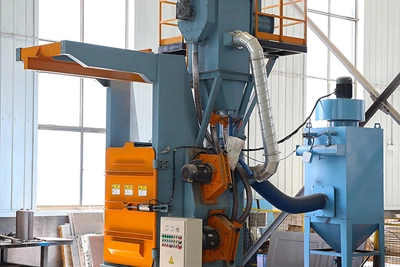
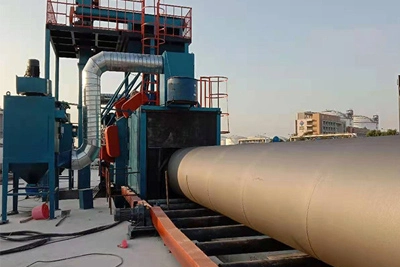

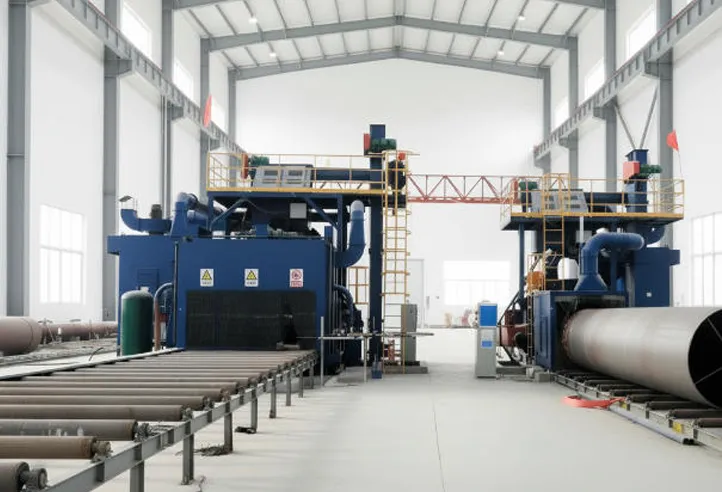
During rolling, storage, and transportation, the inner and outer walls of steel pipes develop mill scale and rust. In industries such as petrochemical, municipal water supply, and steel structure engineering, steel pipes typically require anti-corrosion coating before use, and the coating quality directly depends on the effectiveness of surface preparation. Shot blasting is a core process in steel pipe surface preparation, capable of cleaning both the outer and inner walls of pipes simultaneously.
Steel pipes are widely used in oil and gas transmission, urban heating, drainage systems, and steel structure engineering. Before use, steel pipes typically require anti-corrosion coating to extend service life. Shot blasting removes mill scale, rust, and welding slag from the pipe surface and provides an excellent adhesion base for coatings, making it an indispensable process in pipe anti-corrosion production lines.
Removal of Mill Scale and Rust
Mill scale and rust formed during hot rolling and storage of steel pipes affect coating adhesion. Shot blasting uses high-speed abrasive impact to completely remove mill scale and rust layers from the pipe surface.
Removal of Welding Slag
Welded steel pipes have welding slag and spatter at the weld seam. Shot blasting effectively removes these residues, leaving the weld smooth and flat.
Improvement of Coating Adhesion
After shot blasting, the pipe surface develops a uniform roughness, increasing the contact area between the coating and the pipe substrate, significantly enhancing adhesion and extending corrosion protection life.
Simultaneous Inner and Outer Wall Treatment
Specialized pipe shot blasting machines can clean both the outer and inner walls of steel pipes simultaneously, completing full surface treatment in a single pass and improving production efficiency.
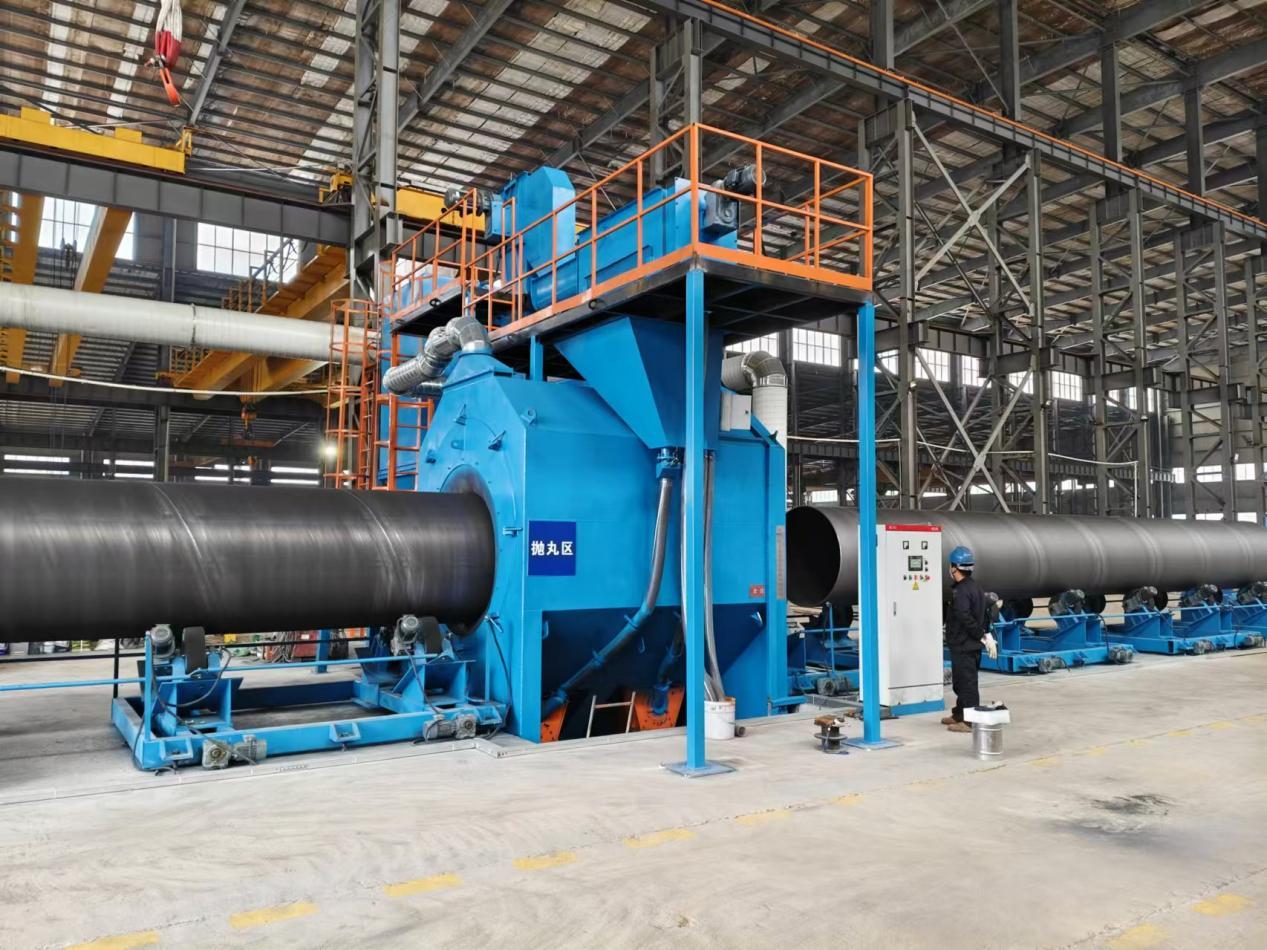
After shot blasting, the inner and outer walls of steel pipes achieve a surface cleanliness of Sa2.5, displaying a uniform metallic luster with no visible mill scale, rust, or welding slag. The surface roughness is moderate, providing an excellent adhesion base for anti-corrosion coatings. The cleaned pipes can proceed directly to the painting process.
Zhiling Machinery provides customized shot blasting solutions for the pipe industry, designing equipment parameters based on pipe diameter, length, and production requirements. The equipment features wear-resistant liners, high-efficiency dust collection systems, and PLC intelligent control to ensure long-term stable operation. Inner and outer wall shot blasting machines can be configured according to customer requirements, meeting the application needs of oil pipelines, water supply and heating pipes, and other scenarios.
Pipe surface preparation requirements vary depending on pipe diameter, production volume, and coating specifications. Selecting the appropriate shot blasting equipment can significantly improve cleaning quality and production efficiency.
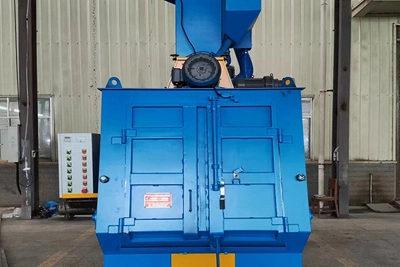
For standard anti-corrosion treatment of steel pipe exteriors, a pipe outer wall shot blasting machine provides efficient removal of mill scale, rust, and welding residues while ensuring uniform surface roughness for coating adhesion.
For manufacturers processing a wide range of pipe sizes and requiring comprehensive surface preparation, a dedicated pipe shot blasting machine offers a versatile solution capable of handling different pipe diameters and production requirements. This type of equipment is widely used in oil and gas pipelines, water transmission pipes, and structural steel pipe production.
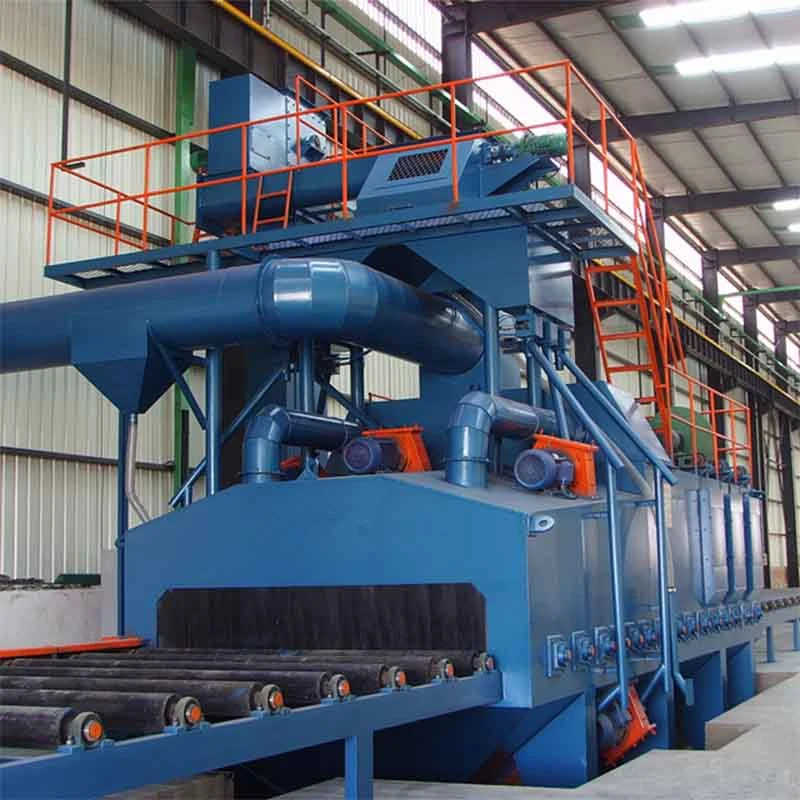
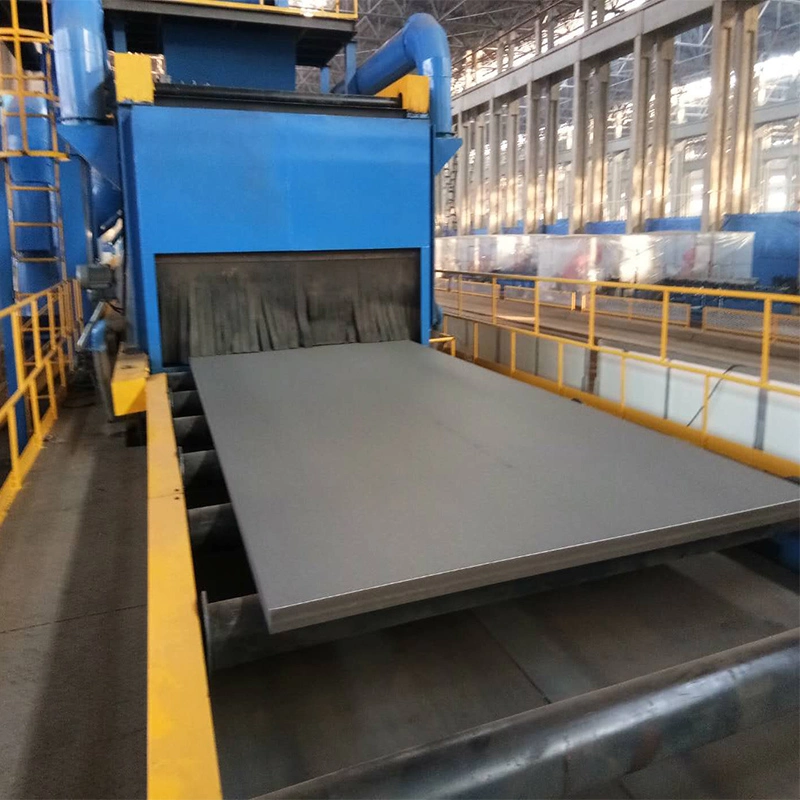
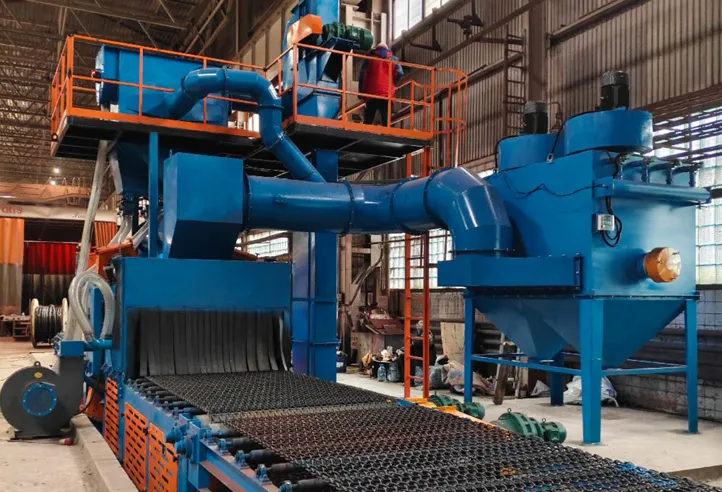
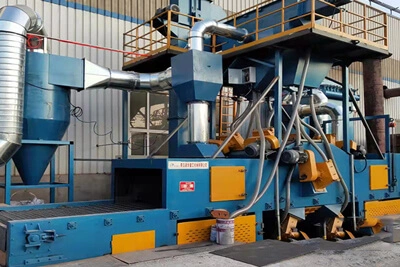
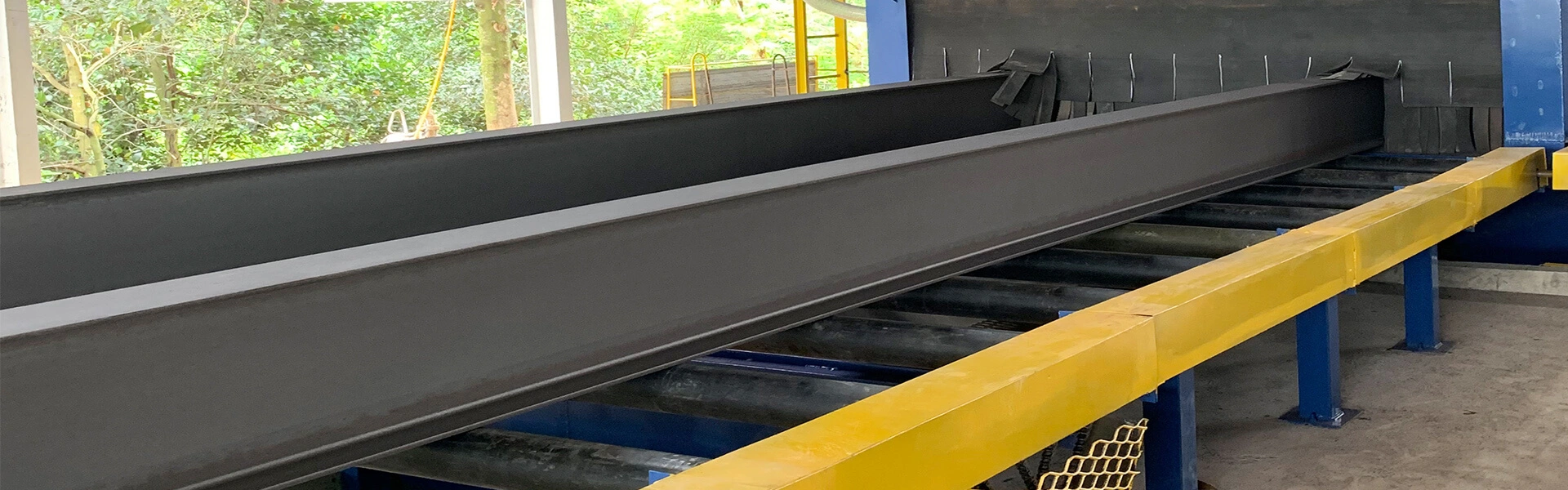
In high-volume manufacturing environments, a pass-through shot blasting machine can be integrated into automated production lines to achieve continuous cleaning and stable throughput. The workpieces move through the blasting chamber automatically, reducing manual handling and improving overall production efficiency.
The optimal solution depends on pipe dimensions, annual production capacity, coating requirements, and the desired level of automation. Zhiling Machinery can customize equipment configurations to meet the specific needs of each production line.