English

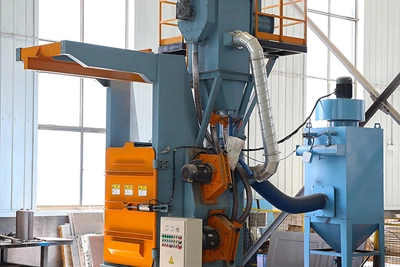
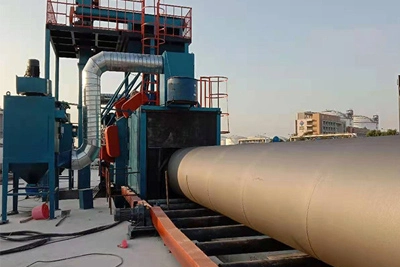
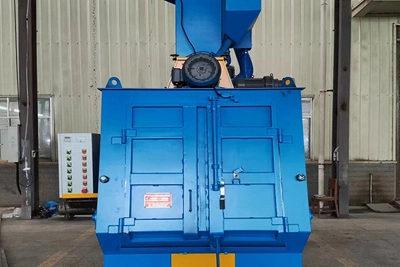
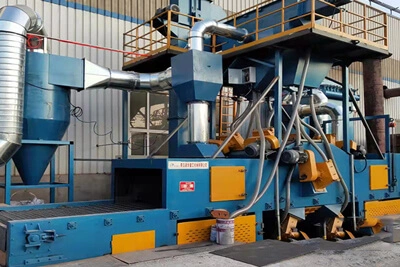
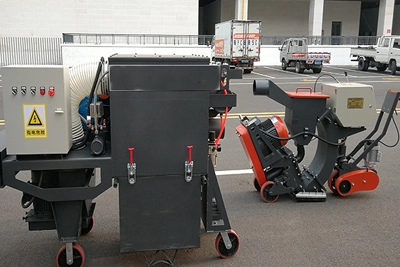

Pass through shot blasting machines are widely used in steel structure processing and steel pretreatment. Many users encounter various questions during selection and use. This article compiles several frequently asked questions about Pass through shot blasting machines for your reference.
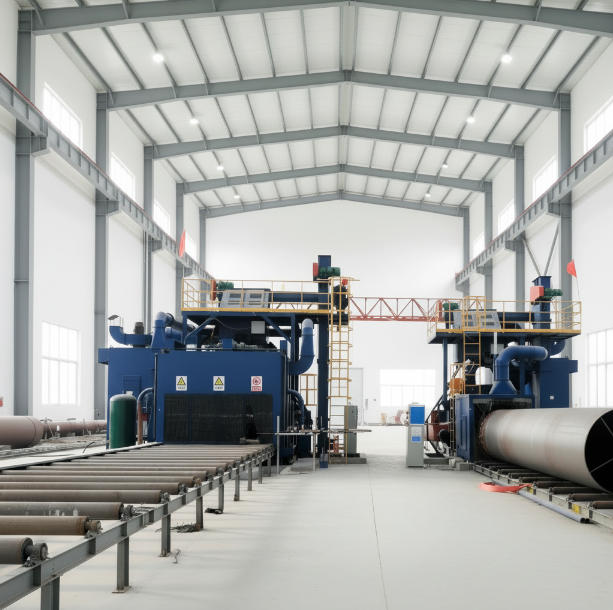
Q: How does a Pass through shot blasting machine differ from other types of shot blasting machines?
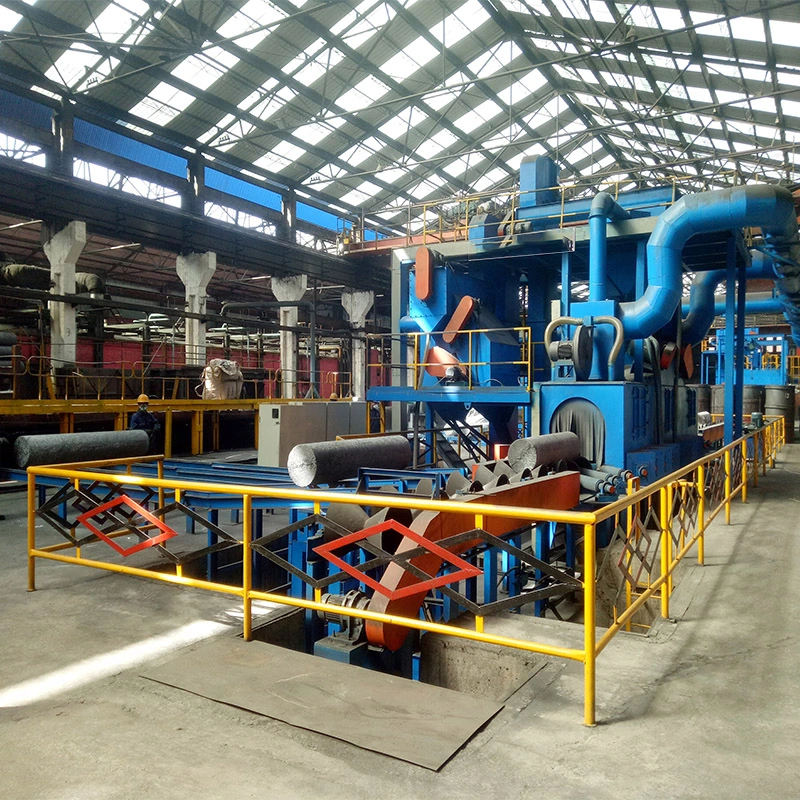
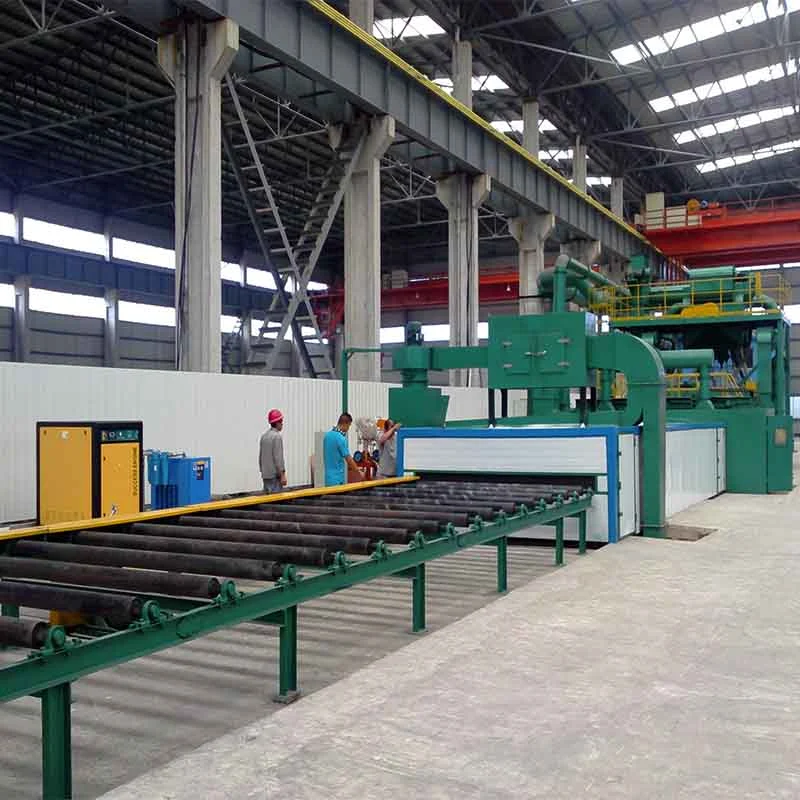
A: A Pass through shot blasting machine uses a continuous conveying operation. The workpiece is carried by rollers or a mesh belt, passing through the blasting chamber at a uniform speed, and is blasted by the shot blasters during its journey. After cleaning, the workpiece is discharged from the other end. This method differs from crawler-type and hook-type machines. In crawler-type machines, the workpiece tumbles inside the drum for cleaning, while in hook-type machines, the workpiece is suspended and rotated inside the chamber for cleaning. Pass through machines are more suitable for long workpieces and large-volume continuous production.
Q: What types of workpieces are suitable for cleaning with a Pass through shot blasting machine?
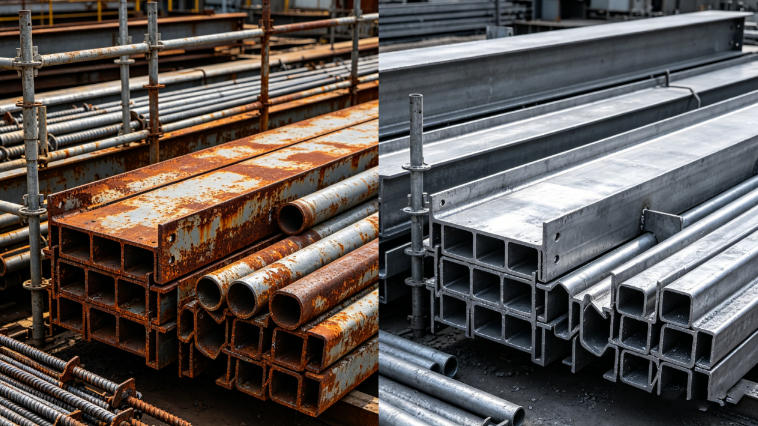
A: It is mainly suitable for several types of workpieces. One type is steel plates, including medium and heavy plates, thin plates, checkered plates, and bridge plates. Another type is structural steel, such as H-beams, I-beams, channel steel, angle steel, and T-beams. A third type is steel pipes, including round pipes, square pipes, and rectangular pipes. Welded structural components such as steel beams, steel columns, and embedded parts are also suitable. These workpieces share the common characteristic of being relatively long or having regular cross-sections, making them suitable for conveying on roller conveyors.
Q: Are there any restrictions on the length and dimensions of the workpieces?
A: There are no restrictions on the length of workpieces in a Pass through shot blasting machine. As long as the roller conveyor line is long enough, workpieces of any length can be processed. However, the height and width of the workpieces are limited by the dimensions of the shot blasting chamber channel. When selecting a model, it is necessary to confirm that the maximum width and height of the workpiece do not exceed the allowable passage dimensions of the equipment.
Q: What standards can the surface of the workpiece achieve after cleaning?
A: A Pass through shot blasting machine can effectively remove oxide scale, rust, and welding slag from the surface of steel plates and structural steel. After cleaning, the workpiece surface reveals its metallic color and exhibits a uniform roughness. According to international standards, it typically achieves a cleanliness level of Sa2.5. Workpiece surfaces of this level are suitable for painting or anti-corrosion treatment, with good coating adhesion.
Q: Why is the cleaning effect sometimes uneven?
A: Uneven cleaning results can be caused by several factors. Wear on the shot blasting blades can lead to a decrease in shot volume; blockage in the shot supply pipe can cause unstable shot volume; and misalignment of the directional sleeve window can cause the shot direction to deviate from the workpiece. Additionally, excessively high conveyor speed can result in insufficient cleaning time. In such cases, these factors should be checked one by one.
Q: What parameters should be considered when selecting a model?
A: Three main aspects should be considered. First, dimensions: confirm that the width and height of the workpiece are within the allowable range of the equipment's passageway. Second, shot blasting configuration: determine the number and power of the shot blasters based on the required cleaning width and intensity. Third, conveyor speed: select an adjustable speed range based on production capacity requirements. Furthermore, the matching of the shot circulation system's processing capacity and the dust collection system's airflow is also important.
Q: Is a pit required?
A: Most Pass through shot blasting machines require a pit. The pit is used to install the screw conveyor and bucket elevator for shot recovery. The pit depth is generally 500 to 800 mm. Some smaller machines can be designed without a pit, but their processing capacity is relatively limited. You can confirm the pit requirements with the manufacturer when selecting a model.
Q: How much space does the equipment occupy?
A: The total length of the equipment includes the input roller conveyor, the shot blasting chamber, and the output roller conveyor. The shot blasting chamber itself is typically 3 to 6 meters long. Including the input and output roller conveyors, the entire line may require a length of 10 to 20 meters, depending on the workpiece length and loading/unloading method. The equipment width is determined by the width of the shot blasting chamber passage, generally 2 to 3.5 meters. In terms of height, the top of the shot blasting chamber typically requires a clearance of 2.5 to 4 meters.
Q: How long does equipment installation take?
A: After the equipment arrives on site, installation and commissioning generally take 10 to 20 working days. This includes pit construction, equipment placement, roller conveyor installation, shot blasting machine commissioning, dust collection system connection, and no-load test run. If the customer's site already has the necessary foundation construction conditions, the installation period will be shortened accordingly.
Q: What are the main tasks for routine maintenance?
A: Routine maintenance includes several aspects. Check the wear condition of the shot blasting machine blades; worn blades need to be replaced in groups. Check the wear condition of the wear-resistant plates; worn plates need to be replaced. Check if the roller conveyor runs smoothly and lubricate the bearings regularly. Check the shot circulation system to ensure the elevator and separator are working properly. Check the dust collector pressure differential; if the differential is too high, clean or replace the filter cartridges. It is recommended to establish a regular inspection system for these tasks.
Q: What is the replacement cycle for vulnerable parts?
A: The replacement cycle varies depending on the intensity of use. Shot blasting machine blades generally need to be replaced after several hundred hours. Wear-resistant plates have a longer lifespan, typically one to two years. Dust collector filter cartridges are typically replaced every six months to a year, depending on pressure differential changes. The specific replacement cycle can be adjusted based on actual wear during use.
Q: Which industries use Pass through shot blasting machines?
A: Commonly used industries include steel structure processing, bridge manufacturing, shipbuilding and repair, petrochemical pipeline pretreatment, and steel pretreatment production lines. Any manufacturing enterprise that needs to process steel plates, sections, and pipes in batches may use this type of equipment.
Q: Why does the steel structure processing industry need Pass through shot blasting machines?
A: Steel structure components require surface cleaning before welding and painting. Pass through shot blasting machines can process all surfaces of steel plates and sections in one go, with higher cleaning efficiency than manual grinding or single-piece processing. The cleaned surface cleanliness meets painting requirements, resulting in better coating adhesion and helping to improve the corrosion resistance life of steel structure products.
Q: What aspects should be considered when purchasing a Pass through shot blasting machine?
A: Besides equipment price, several other aspects are worth considering. The manufacturer's technical strength and after-sales service capabilities, including whether they can provide on-site installation guidance and operation training. The equipment's energy consumption and abrasive consumption directly impact long-term operating costs. The supply cycle and price of vulnerable parts affect the equipment's continuous operation. Whether the delivery cycle meets project schedule requirements.
Q: How to judge the strength of an equipment manufacturer?
A: Several aspects can be considered. The manufacturer's establishment year and industry experience. Whether they hold CE, ISO, or other certifications. The number of countries and regions their products are exported to. Whether they can provide customer case studies and on-site inspection opportunities. After-sales service response speed and spare parts supply system. If conditions permit, it is recommended to visit the factory in person to understand their production and management level.
Through-type shot blasting machines are suitable for processing long workpieces such as steel plates, profiles, and steel pipes, and are widely used in steel structure processing, bridge manufacturing, and shipbuilding industries. When selecting a model, the equipment specifications and configuration should be determined based on the workpiece size, output requirements, and cleaning standards. Before installation, the pit conditions and factory space must be confirmed. Establishing a regular inspection system during daily use can reduce failure rates and extend equipment lifespan.
For further information on the technical parameters of specific models or to obtain selection advice, please provide workpiece specifications and production requirements for a targeted evaluation by our technical team.