English

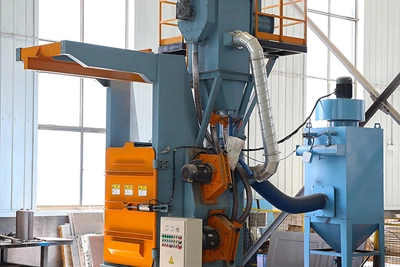
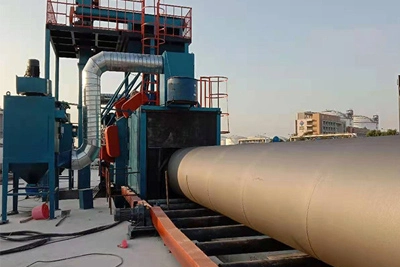
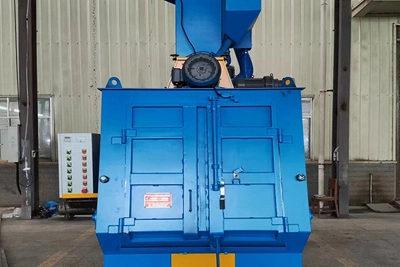
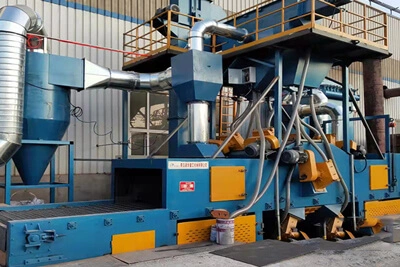
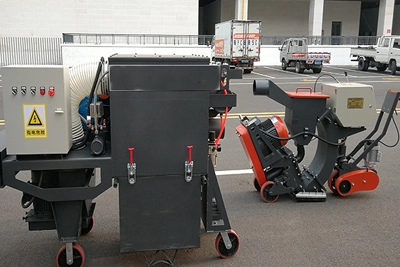

Choosing between internal and external pipe shot blasting depends on where surface preparation is required. Internal pipe shot blasting is used to clean and prepare the inner wall for coating, lining, or corrosion protection, while external pipe shot blasting focuses on the outer surface for painting, galvanizing, or welding preparation. In many industrial projects, both processes are required—often using different configurations of a Pipe Shot Blasting Machine.
Below is a practical, industry-based comparison to help you select the right solution.
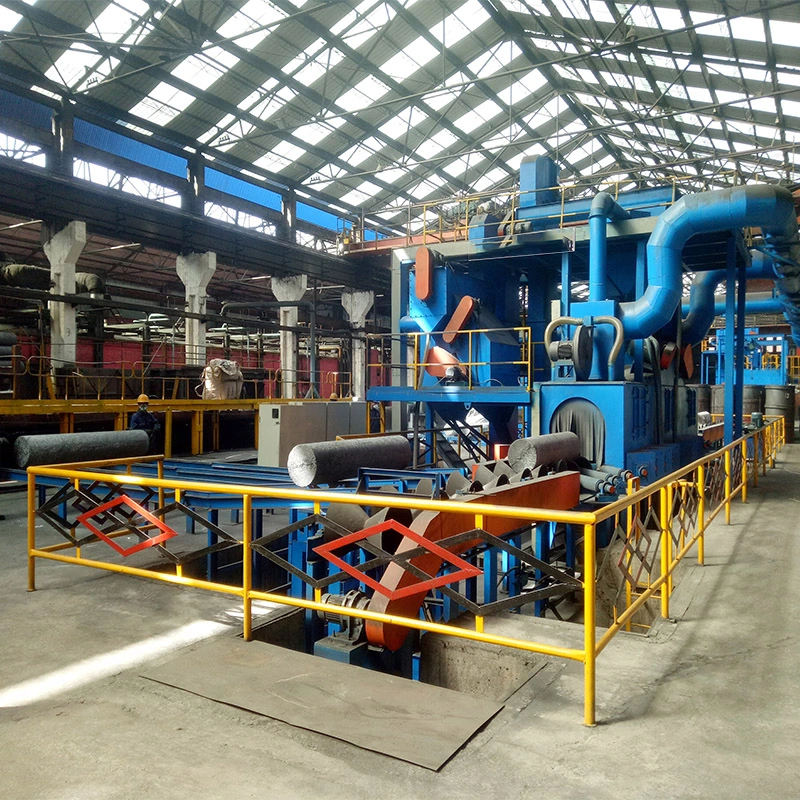
Internal pipe shot blasting removes rust, mill scale, and contaminants from the inside diameter (ID) of pipes. It is critical when internal coating quality directly affects service life.
Typical applications include:
Oil and gas pipelines
Water transmission pipes
Fire protection pipes
Lined or epoxy-coated pipes
An internal Pipe Shot Blasting Machine uses a rotating blasting head that travels through the pipe, ensuring uniform 360° coverage of the inner surface.
External pipe shot blasting prepares the outer surface (OD) of pipes. This process is widely used before:
Anti-corrosion painting
Powder coating
Galvanizing
Welding or fabrication
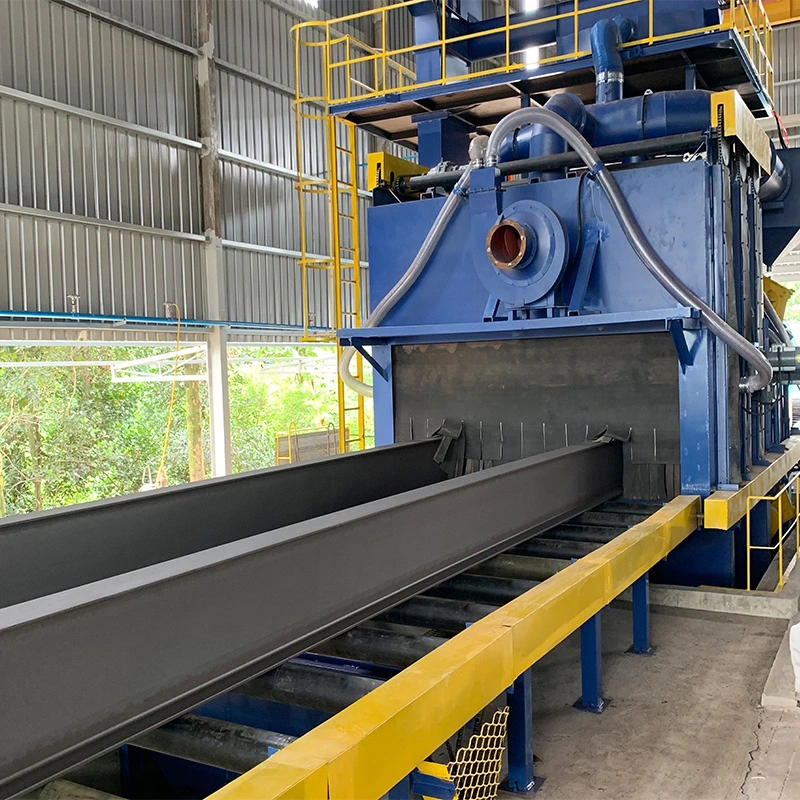
External blasting machines usually employ roller conveyors or rotating supports to rotate the pipe while blast wheels clean the surface evenly.
For long-term corrosion protection, the answer depends on coating design:
Internal coating only → Internal pipe shot blasting
External coating only → External pipe shot blasting
Dual-layer protection → Both internal and external blasting
Many pipeline standards require specific surface cleanliness levels (e.g. Sa2.5) on both inner and outer surfaces, making combined solutions common.
Key characteristics:
Blasting head diameter matched to pipe ID
Pneumatic or mechanical drive
Adjustable blasting speed
Designed for pipe length consistency
Limitations:
Not suitable for very short pipes
Requires straight, unobstructed pipes
Key characteristics:
High-capacity blast wheels
Roller or chain conveyors
Suitable for wide diameter ranges
High productivity for large batches
Limitations:
Does not address internal corrosion
Requires stable pipe rotation
Surface uniformity depends on correct machine selection rather than process type.
Internal blasting provides excellent consistency when pipe diameter and length are standardized.
External blasting delivers uniform results when rotation speed and blast wheel layout are optimized.
In both cases, machine design quality has a greater impact than the blasting principle itself.
External pipe shot blasting generally offers higher throughput due to:
Multiple blast wheels
Continuous conveyor systems
Internal pipe blasting is slower but more precise, as the blasting head must travel the full pipe length.
High-volume pipe mills often install separate internal and external Pipe Shot Blasting Machine lines to maintain production efficiency.
Internal systems:
Require less floor space
Lower abrasive consumption
Higher precision requirements
External systems:
Require longer line layout
Higher power consumption
Better suited for automated production
Choosing one or both should align with your plant layout and production planning.
From field experience, frequent issues include:
Choosing external blasting while internal coating is required
Underestimating pipe diameter variation
Ignoring downstream coating standards
Selecting a single machine when dual processes are needed
These mistakes often result in rework or premature corrosion failure.
| Application | Recommended Solution |
Oil & gas transmission pipes | Internal + External |
Structural steel pipes | External only |
Water supply pipes | Internal + External |
Short fabricated pipes | External only |
Lined corrosion-resistant pipes | Internal |
Internal and external pipe shot blasting serve different but equally critical purposes. A properly selected Pipe Shot Blasting Machine ensures coating adhesion, extends pipe service life, and reduces long-term maintenance costs.
From an investment standpoint, the right choice comes from understanding coating requirements, production volume, and pipe specifications, not simply machine price.