English

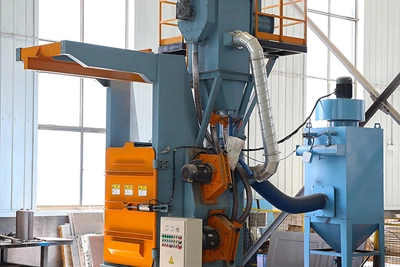
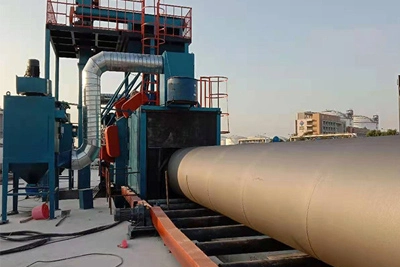
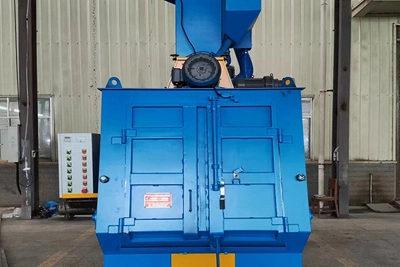
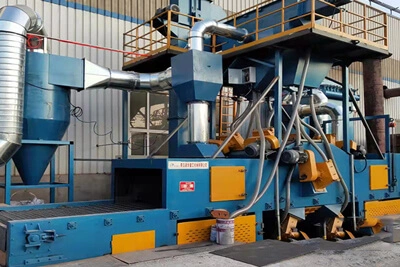
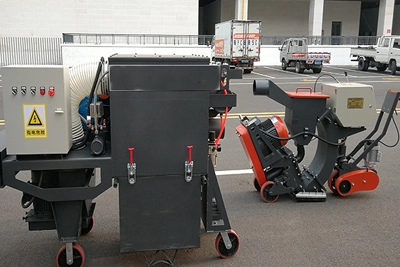

When purchasing a shot blasting machine, you should consider multiple factors, not just price or a single indicator. The following key considerations should be considered:
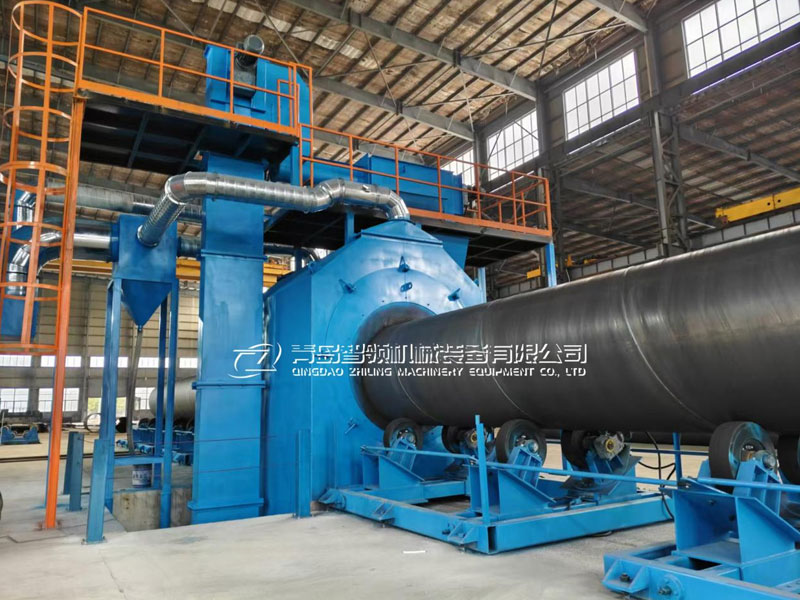
Workpiece size, weight, and shape are primary considerations for machine selection.
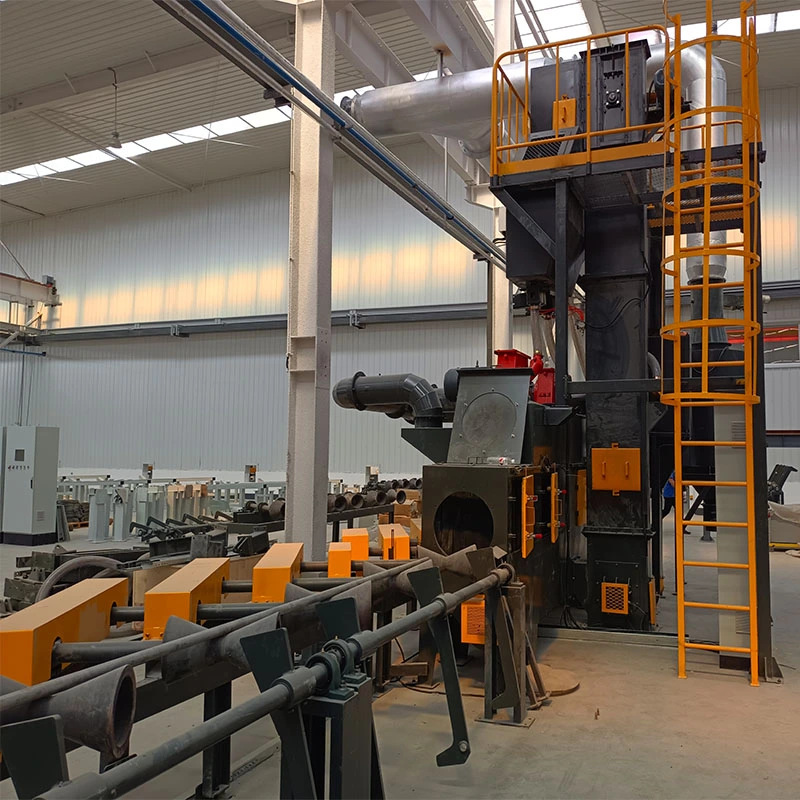
* Regular, small parts are suitable for crawler-type or hook-type machines.
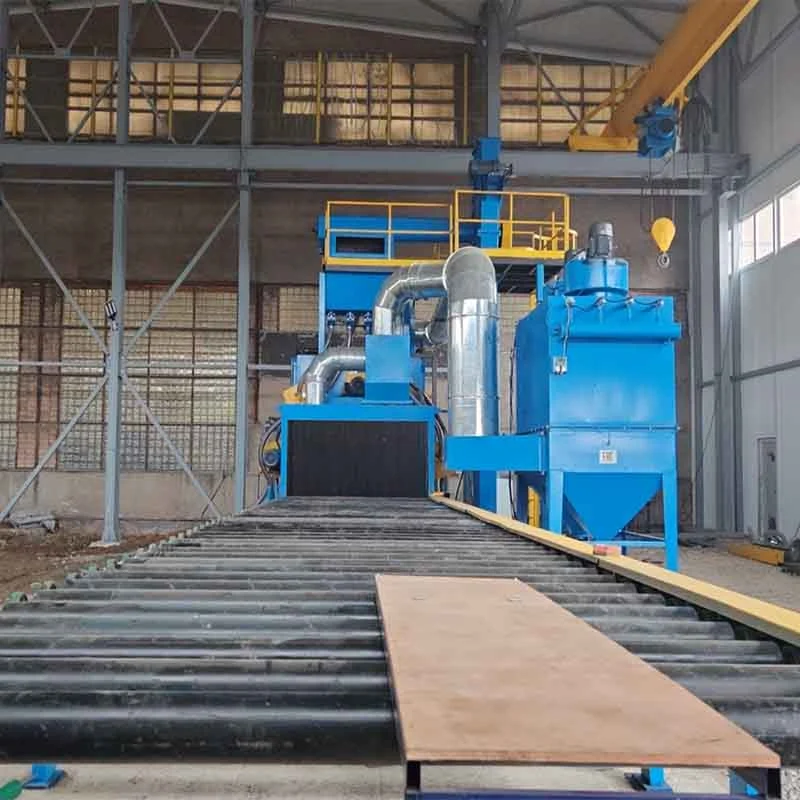
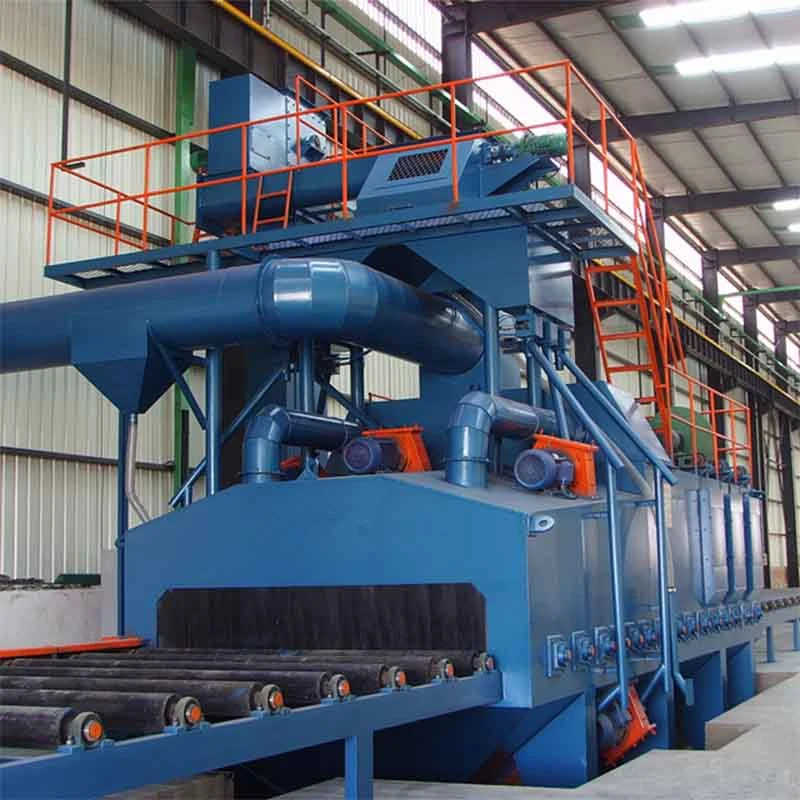
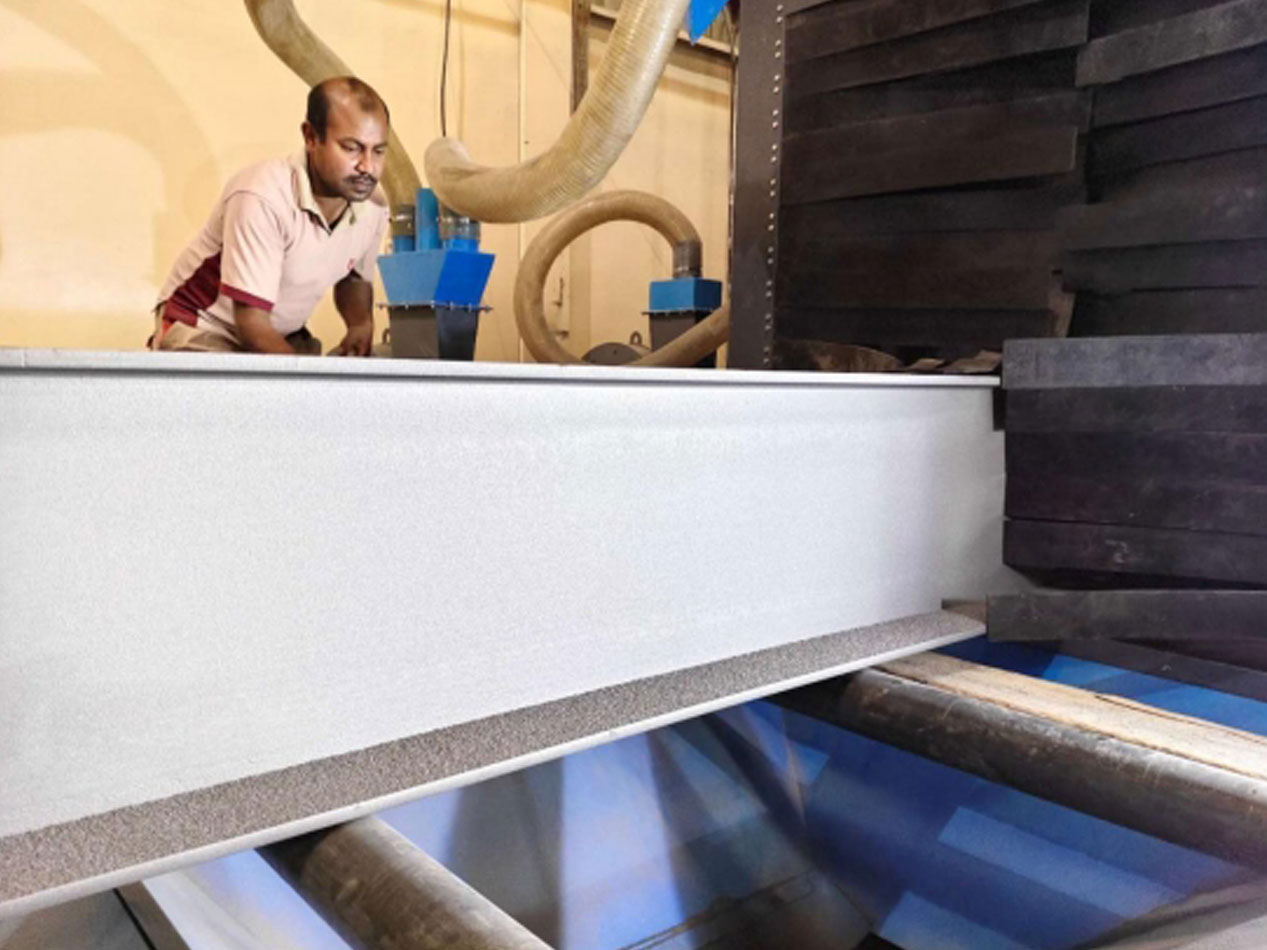
* Large, heavy, or difficult-to-turn workpieces are more suitable for pass-through machines.
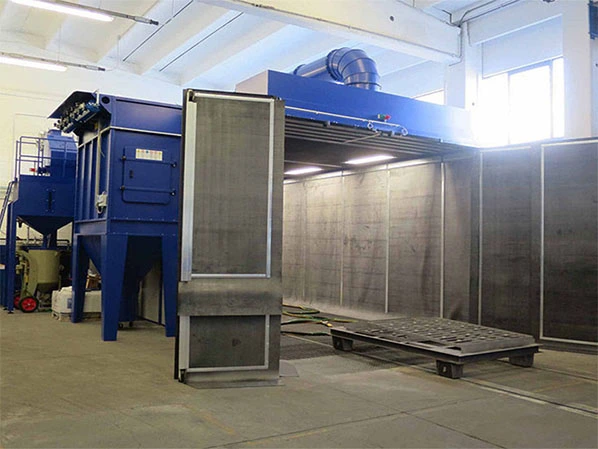
* Special structural parts often require custom designs.
The factory's floor height, floor space, and logistics routes directly restrict the equipment's form and installation method.
* When space is limited, choose a compact machine with flexible layout.
* If there are plans for future expansion, allow for room in the layout to avoid secondary modifications.
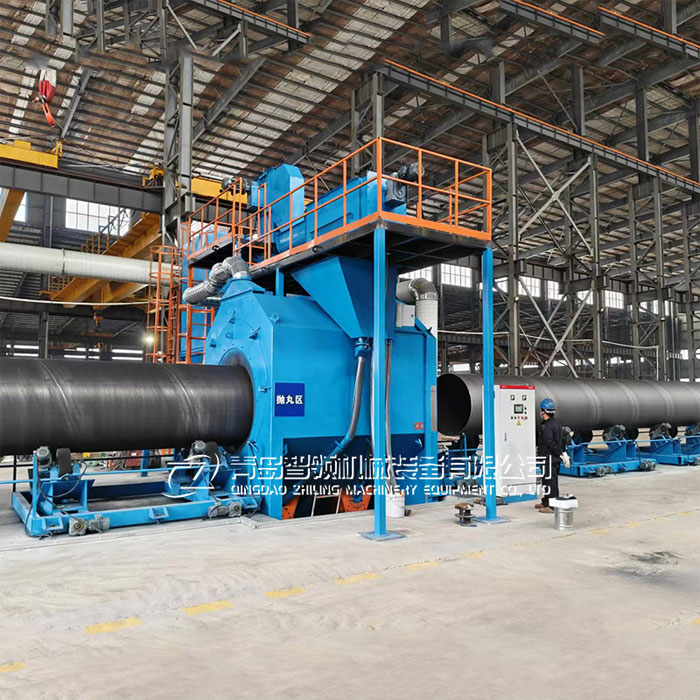
The shot blasting machine's processing capacity must match the factory's production schedule.
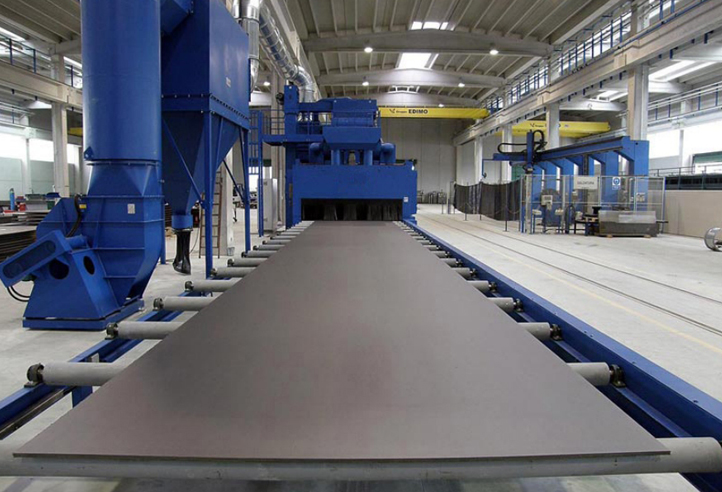
* Batch and continuous production is suitable for through-the-air equipment;
* High-variety, small-batch processing requires flexible hook-type or rotary table equipment;
* The key lies in maintaining a balance between cycle time and cleaning quality.
Shot blasting machines are relatively expensive, so the purchase should consider the company's budget and development prospects.
* Large enterprises with sufficient funds and space can directly purchase a complete shot blasting machine and production line, eliminating unnecessary hassles in one go.
* When funds are limited, the focus should be on meeting current production needs while leaving room for future upgrades.
When selecting a model, consider the following:
* The power and layout of the blasting head determine efficiency and uniformity;
* The stability of the recovery, separation, and dust removal systems affects both the environment and quality;
* The material and ease of replacement of wear-resistant liners and consumable parts affect long-term operating costs;
* Electrical controls and safety interlocks ensure production reliability and safety.
In addition to equipment performance, the supplier's overall capabilities are equally important.
* Experienced manufacturers are more mature in design and manufacturing and can provide non-standard customization.
* A comprehensive after-sales service system and timely parts supply are key to ensuring production continuity.
* Sample testing and on-site commissioning records should serve as important basis for acceptance.