English

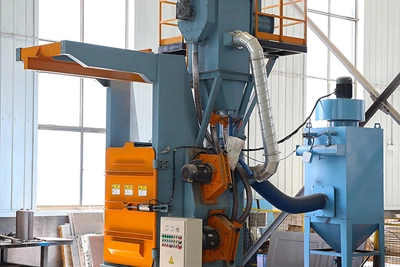
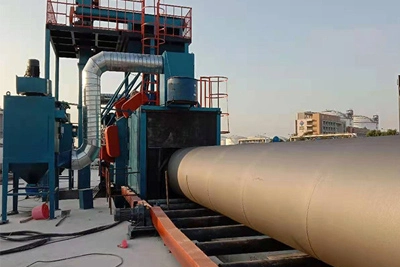
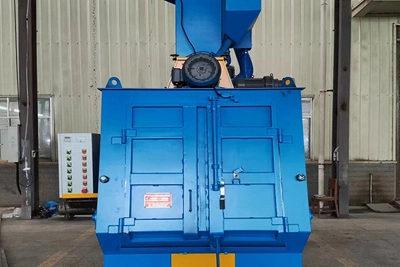
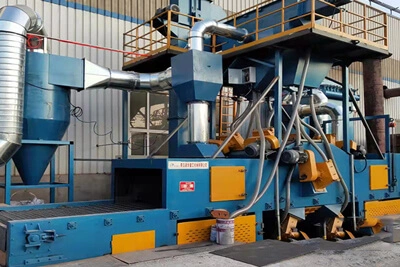
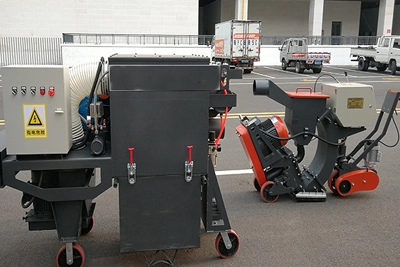

In shot blasting workshops, dust collection systems often sit quietly in a corner, yet silently perform crucial tasks. This seemingly simple system directly impacts equipment cleaning efficiency, energy consumption, and operating costs. Let's set aside the complex parameters in the technical manuals and discuss the selection and maintenance of dust collection systems from a practical application perspective.
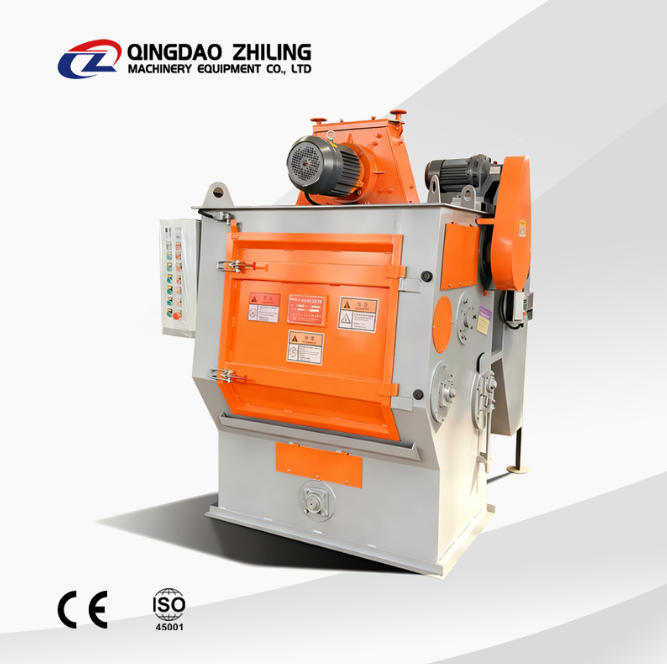
When choosing a dust collection system, the most expensive isn't necessarily the most suitable; the key is to match it with your production needs.
First, consider the airflow. This parameter requires professional calculation, but you can remember a simple principle: insufficient airflow will cause dust to overflow, affecting the cleaning quality of the workpiece; excessive airflow means wasted electricity. Just like choosing an air conditioner for a room—the area determines the horsepower—the size of the shot blasting chamber and the number of blasting heads determine the required airflow.
Filter media selection also requires a tailored approach. For ordinary steel, polyester fiber filter cartridges are sufficient; when handling special materials such as aluminum-magnesium alloys, anti-static filter media must be selected—this is the safety baseline; if the workshop humidity is high, membrane-coated filter media can effectively prevent clumping; for military, aerospace, and other fields with extremely high cleanliness requirements, nanofiber filter media is a worthwhile investment.
Pulse-jet cleaning technology is now widely used, but the results vary drastically. The key is whether the pulse interval setting is reasonable—too frequent will shorten the filter cartridge life, while too long an interval will affect the dust removal effect. This needs to be finely adjusted according to the actual dust volume.
In our work, we have accumulated some practical experience: if dust is found escaping, don't rush to replace the filter cartridge; it may just be an aging sealing strip; if there is abnormal pressure difference, check the connecting pipes first, sometimes it's just a minor blockage; if the fan makes abnormal noises, stop the machine immediately for inspection; delaying may turn a small problem into a major overhaul.
Modern dust removal systems are becoming increasingly intelligent. The new generation of intelligent differential pressure control systems can automatically adjust according to actual operating conditions, ensuring both effectiveness and energy saving. The application of variable frequency technology enables the fan to distribute power "on demand," resulting in significant energy savings. For special operating conditions, the integrated fire and explosion protection system provides multiple layers of protection.